



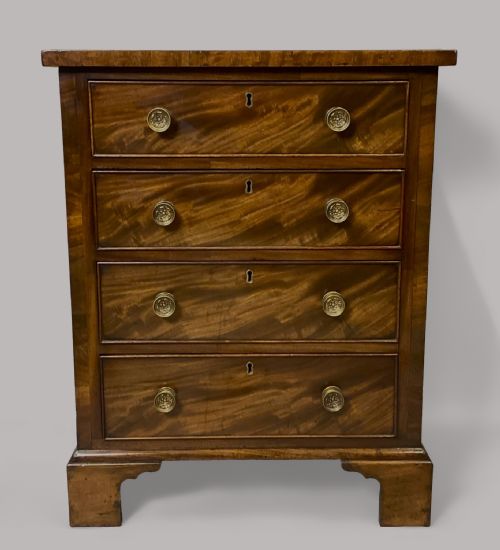
Figured Wood Commode
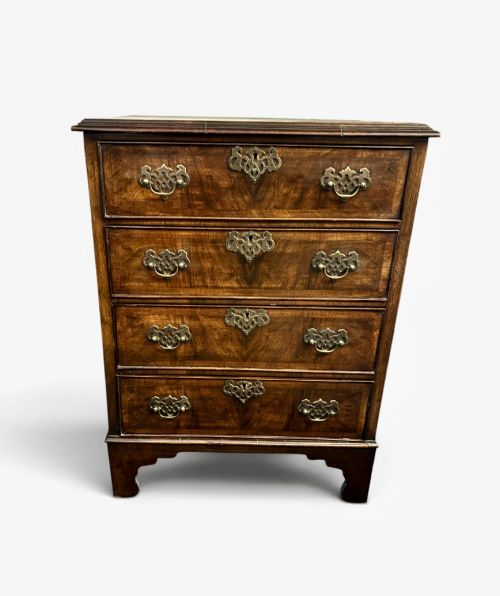
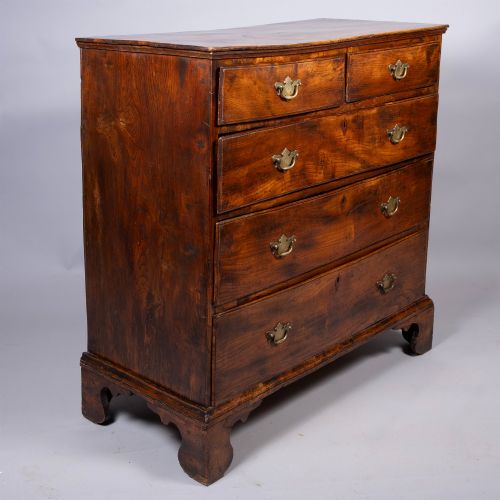
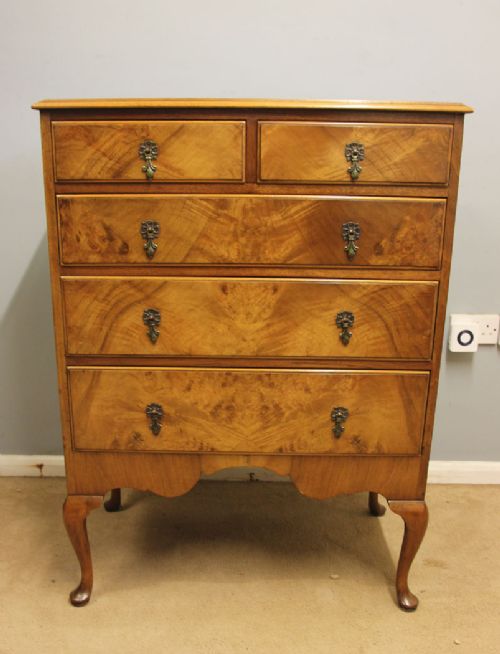
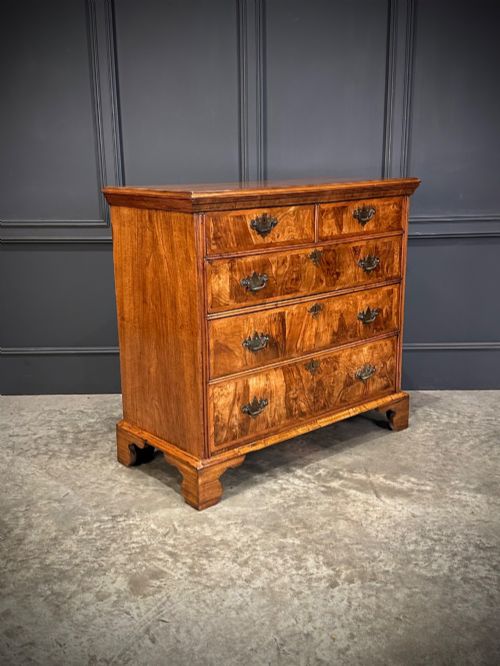
A figured wood commode offers striking grain patterns and substantial storage, making it a focal point in any room.
Figured Wood Commode
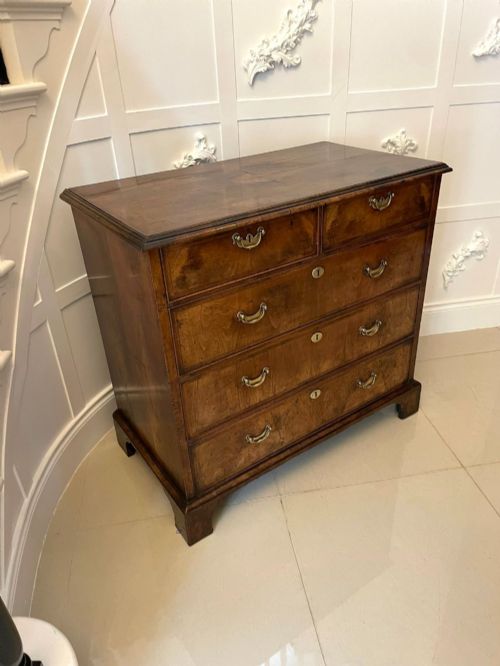
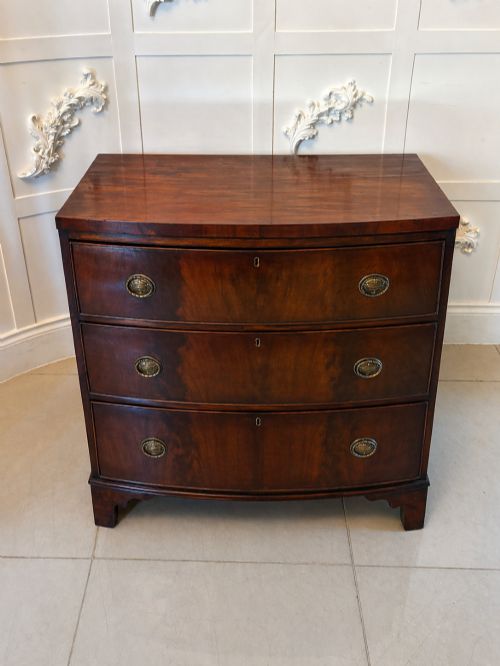
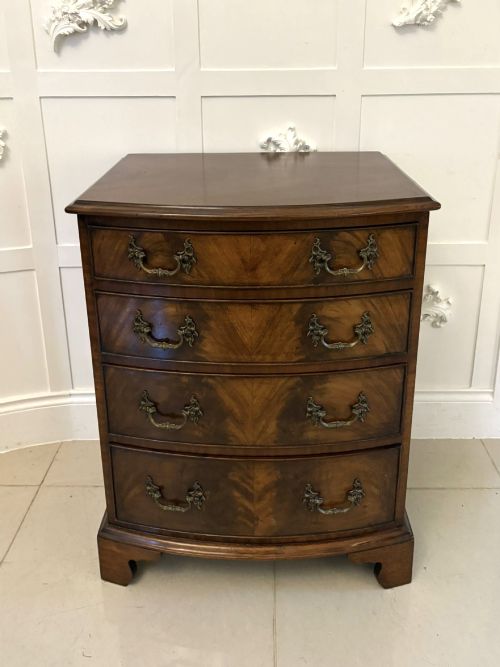
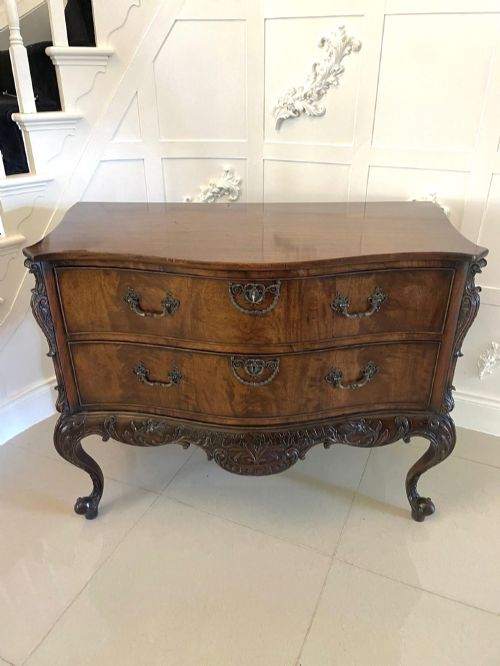
A figured wood commode represents a chest of drawers constructed with timber displaying distinctive grain patterns such as flame, curl or burl. These pieces appear across several periods, spanning from the seventeenth century through the twentieth century, with styles including Georgian, Victorian, Edwardian and Biedermeier. The primary forms present on this page are chests of drawers, often featuring bow fronts or serpentine shapes.
Materials and Construction
Makers utilised solid timbers and veneers of walnut, mahogany, elm and pine to build these commodes. Figured veneers were applied over secondary woods to showcase dramatic grain patterns on drawer fronts and top surfaces, while carcase structures relied on sturdy native timbers.
Brass handles and mounts provide functional hardware across multiple periods. Joinery techniques varied by era, supporting the bowed, serpentine and straight-fronted configurations seen in the listings.
Figured Wood Commode Retail Price Guide 2026
Typical asking prices for figured wood commode among the pieces listed under this phrase on Sellingantiques today, from the lower quarter to the upper quarter. They describe what is for sale here now, not the wider market.
Listings feature commodes spanning from the 17th century to the 20th century, utilising walnut, mahogany, elm, brass and pine.
Judging Quality and Execution
The sophistication of the timber selection distinguishes superior pieces from standard examples. Grain figures that match symmetrically across drawer fronts demonstrate greater craftsmanship than random veneer placement.
Proportion and the handling of complex shapes, such as serpentine or bow fronts, determine the refinement of the commode. Finer items exhibit precise integration of brass handles and clean lines across the carcase.
The Figured Wood Commode Glossary
- Commode
- A low cabinet or chest of drawers designed for domestic storage. In British usage, the term frequently applies to antique chests of drawers.
- Figured wood
- Timber exhibiting decorative grain patterns caused by irregular growth. This includes variations such as flame mahogany or burr walnut.
- Serpentine
- A furniture front characterised by a concave central section flanked by convex ends. This undulating shape requires advanced woodworking skill.
- Bow front
- A convex, outward-curving front profile commonly found on eighteenth and nineteenth-century chests of drawers. This shape softens the rectangular silhouette of the piece.
- Veneer
- A thin layer of superior wood applied to a base timber surface. This technique allows makers to display striking grain patterns economically.
Figured Wood Commode: Frequently Asked Questions
What is a figured wood commode?
A figured wood commode is a chest of drawers built using timber with decorative grain patterns like flame or burl. These items function as storage furniture while adding visual texture to a room.
The listings include various periods from the seventeenth century onward, showcasing woods like mahogany, walnut and elm in styles ranging from Georgian to Biedermeier.
How do I date a commode?
Dating a commode involves examining the secondary woods, handle styles, overall proportions and construction methods. Stylistic markers such as serpentine fronts or bow fronts often point to specific eras like the Georgian or Victorian periods.
Changes in hardware and veneer application further help distinguish eighteenth-century examples from later nineteenth or twentieth-century pieces.
Where should I place a commode?
These chests of drawers suit bedrooms, hallways and living spaces where both surface display area and drawer storage are useful. Their decorative grain patterns allow them to anchor a room as a focal point.
Placing them away from direct heat sources helps protect the wood veneers and polishes from drying out over time.
What woods were used?
Makers utilised mahogany, walnut, elm and pine, often combining solid construction timbers with decorative veneers. Figured variations of walnut and mahogany appear frequently on drawer fronts.
Secondary woods like pine provide structural support within the carcases and drawer linings.