



Figural Carved Stand
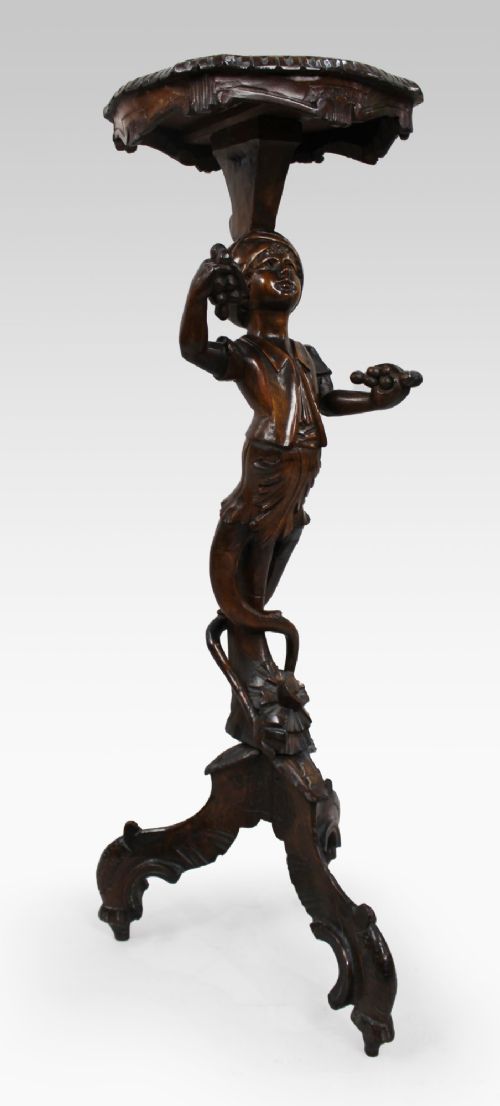
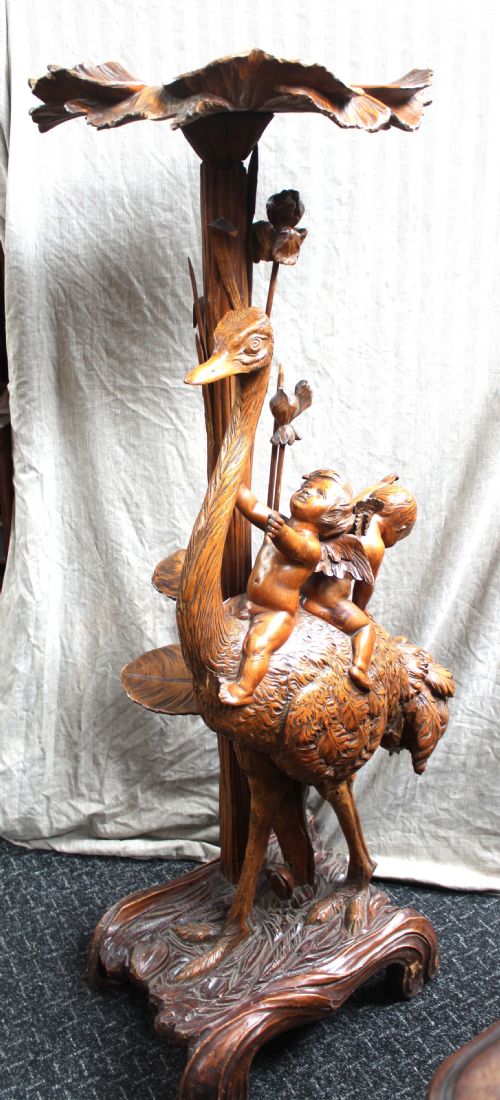
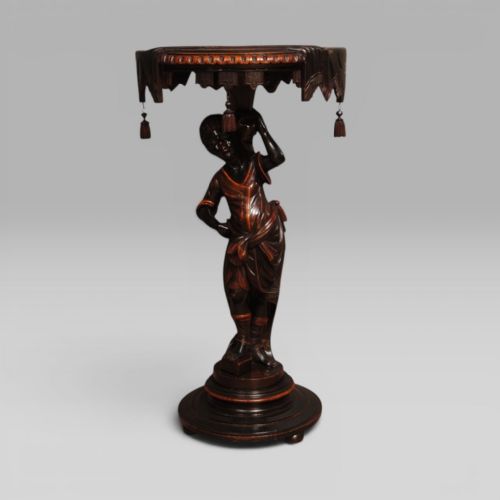
These figural carved stand pieces bring sculptural human and animal forms straight into domestic spaces as functional furniture.
Figural Carved Stand
A figural carved stand combines functional furniture with sculptural artistry, featuring human or animal figures that support tables, lamps, and pedestals. When searching for a figural carved stand, buyers encounter diverse forms ranging from Venetian blackamoor tables and caryatid pedestals to standard lamps and side tables.
The pieces on this page span several centuries and geographic origins, including Venetian Baroque, Anglo-Burmese, Italian Renaissance Revival, and African tribal styles. Buyers are most likely to meet 19th century carved wooden figures and pedestals that serve practical roles as display surfaces or lighting supports while making a strong visual statement.
Assessing quality and craftsmanship
The sophistication of the polychrome or gilt finish and the choice of dense hardwood also separate standard production from exceptional pieces. Superior stability in the overall structure indicates careful proportioning by the maker.
Listings feature items spanning the 17th Century to the 1930s, utilising carved wood, hardwood, oak, glass, walnut, polychrome paint, and gilt.
Maison F. Mack
The Figural Carved Stand Glossary
- Caryatid
- A sculpted female figure serving as an architectural support in place of a column or pillar. These figures often appear on pedestals and table bases.
- Blackamoor
- A European decorative art term describing stylised figures, frequently depicted in turbans and rich garments, used to support tables and torcheres in Venetian design.
- Torchere
- A tall ornamental stand or candlestick designed to hold a light source. They are often carved with figures and placed in corners or halls.
- Polychrome
- Decorated in a variety of colours. This technique brings painted realism and theatrical depth to carved wooden figures.
- Gesso
- A plaster-based mixture applied to wood surfaces to provide a smooth base for gilding or painting. It allows for crisp detail work around carved ornaments.
Figural Carved Stand: Frequently Asked Questions
Where should I place a figural carved stand?
These pieces suit entrance halls, drawing rooms, or corners where they can be viewed from multiple angles. Their sculptural nature allows them to function as standalone focal points.
Ensure the placement protects the carved wood and any polychrome or gilt surfaces from direct sunlight and heavy foot traffic. Positioning them away from heat sources preserves the timber.
How do I care for carved wooden stands?
Dust the intricate carvings regularly with a soft, dry brush to prevent dirt accumulation in the recesses. Avoid using liquid polishes that can damage painted or gilt finishes.
Maintain a stable room humidity to prevent the timber from splitting or warping over time. Gentle handling ensures the delicate extremities of the figures remain intact.
What periods do these stands come from?
The selection includes pieces from the seventeenth century through to the early twentieth century, encompassing various revival styles. Victorian and Edwardian interpretations of earlier Venetian and Baroque designs are particularly common.
Each period brings distinct carving characteristics and surface treatments, reflecting the workshop traditions of its origin.
How do I distinguish regional styles?
Venetian pieces often feature ornate polychrome paint and rich gesso work, while Anglo-Burmese and African examples utilise dense native hardwoods with deep, traditional motifs. Italian Renaissance Revival stands favour classical architectural elements like caryatids.
Examining the wood species and the stylistic conventions of the carving helps identify the geographic source.