






Figural Bronze Urns
Figural bronze urns are sculptural vessels of cast metal combining utility and classical form that bring dramatic presence to any room.
Figural Bronze Urns
When you search for figural bronze urns, you encounter decorative objects that integrate sculpted human or mythical figures with metal vessels, spanning functional items like oil lamps, vases and clock garnitures. These pieces emerge primarily from the nineteenth century, including specific dates such as 1860, 1870, 1900 and 1920, reflecting Victorian, Art Nouveau, Neoclassical and Louis XIV revival aesthetics.
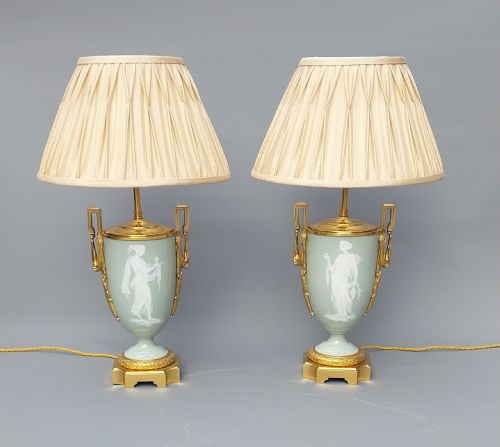
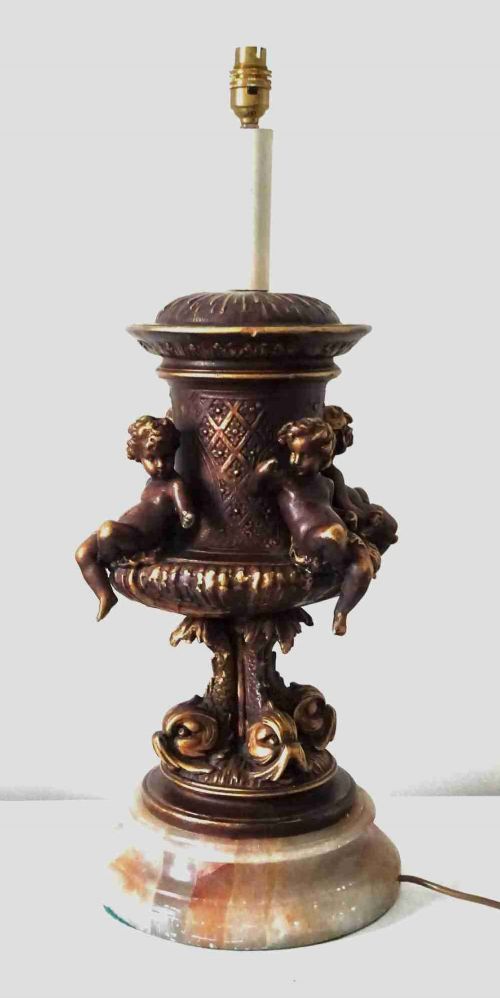
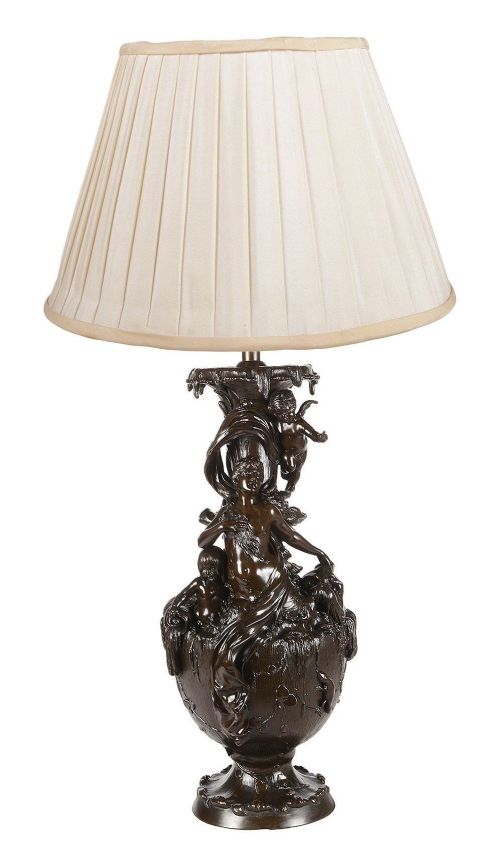
The forms vary widely from fireplace accessories and table lamps to porcelain combinations and clock sets. You will frequently find figures such as nymphs, cherubs and classical deities incorporated directly into the structure of the bronze or ormolu mounts.
How they were made
Makers utilised traditional casting methods to shape bronze, patinated bronze, brass and ormolu into complex figurative designs. Many pieces combine cast metal with contrasting materials such as marble, porcelain and enamel to create layered textures and visual depth.
Surface finishes range from rich gilding and fire-gilt ormolu to dark patination, often complemented by hand-painted details on porcelain body elements. Artisans assembled these multi-part objects using precise mechanical joints and mounts to secure sculptural figures to the main vessel.
Figural Bronze Urns Retail Price Guide 2026
Typical asking prices for figural bronze urns among the pieces listed under this phrase on Sellingantiques today, from the lower quarter to the upper quarter. They describe what is for sale here now, not the wider market.
Listings feature items from the nineteenth century through 1920, incorporating bronze, brass, ormolu, porcelain and marble across various lamp and clock forms.
What varies in quality
Integration between the sculptural elements and the main body shows varying levels of care, where top-tier examples exhibit seamless joins and harmonious proportions across clock garnitures and lamp bases.
Charles Korschann
The Figural Bronze Urns Glossary
- Ormolu
- Gilded bronze produced by applying a mercury and gold amalgam to the metal surface and heating it until the mercury evaporates. This technique creates a durable, bright golden finish characteristic of French revival pieces.
- Clock garniture
- A set comprising a central mantel clock accompanied by matching side ornaments such as urns, vases or figural candelabra. These matched groupings were designed to create a unified decorative scheme on a mantelpiece.
- Patinated bronze
- Bronze treated with chemical solutions to produce a controlled surface colour ranging from deep brown to green. This treatment enhances the visibility of sculptural details and protects the metal.
- Chenets
- Decorative metal fire dogs placed at the hearth to support logs, often ornamented with figural casts in styles like Louis XIV. They serve both a practical purpose in fireplace management and a purely ornamental function.
- Grand Tour
- A cultural journey undertaken by wealthy young Europeans in the nineteenth century to view classical antiquities. Souvenirs purchased on these travels heavily influenced the neoclassical designs of the period.
Figural Bronze Urns: Frequently Asked Questions
What are figural bronze urns?
These decorative objects combine cast metal vessels with sculpted human or mythological figures, serving as lamps, vases or garniture components.
They reflect historical revival styles from the nineteenth century, incorporating materials like ormolu, marble and porcelain.
How were clock garnitures used?
Clock garnitures were displayed as complete sets on mantelpieces or console tables, featuring a central clock flanked by matching decorative urns or figures.
They provided a balanced, symmetrical focal point for formal nineteenth-century interior reception rooms.
How do I identify Art Nouveau pieces?
Art Nouveau works typically feature fluid, organic lines and natural forms, often incorporating human figures directly into the sculptural design of vases or lamps.
This style emerged around 1900 and contrasts sharply with the stricter symmetry of earlier neoclassical or Victorian items.
Where were these pieces made?
Many of these decorative metal items originated in European workshops and foundries during the nineteenth and early twentieth centuries.
French makers in particular produced large quantities of ormolu mounts, clock sets and gilt bronze sculptures influenced by Louis XIV and Louis XVI designs.
How do I care for bronze?
Bronze and ormolu require gentle dusting with a soft, dry cloth to prevent the accumulation of abrasive particles on the surface.
Avoid using chemical polishes or water, as these can strip historical patination and damage delicate gilt layers.