


Farmhouse Pine Drawers
Farmhouse pine drawers bring honest utility and warmth to a room, offering practical storage built from robust domestic timber.
Farmhouse Pine Drawers
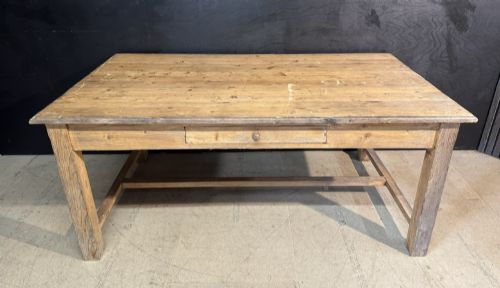
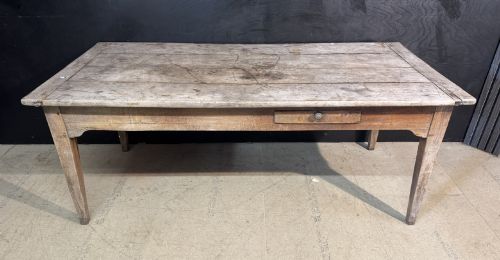
When you search for farmhouse pine drawers, you encounter utilitarian items designed for hard work in kitchens, sculleries, and country chambers. These pieces date predominantly from the nineteenth century and the Victorian era, spanning styles from English country to French provincial.
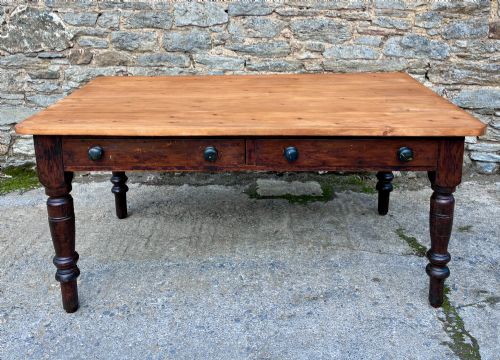
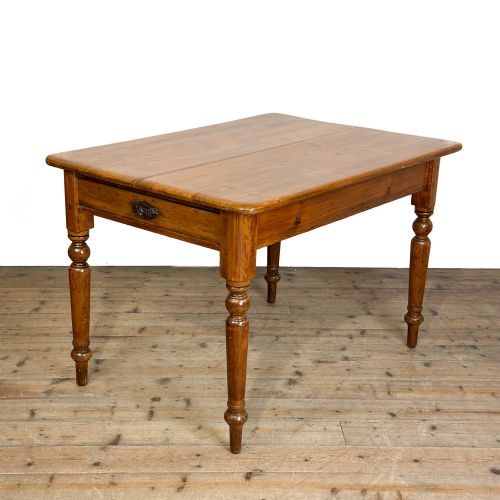
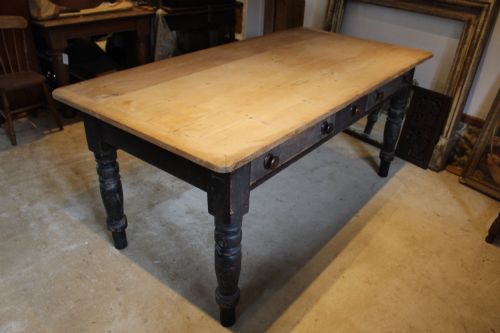
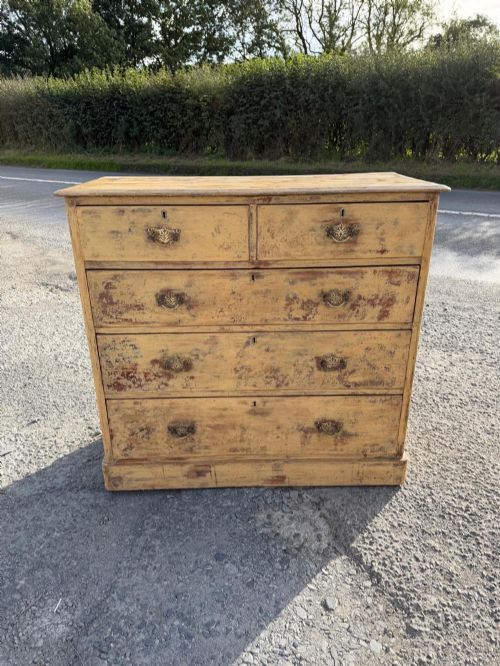
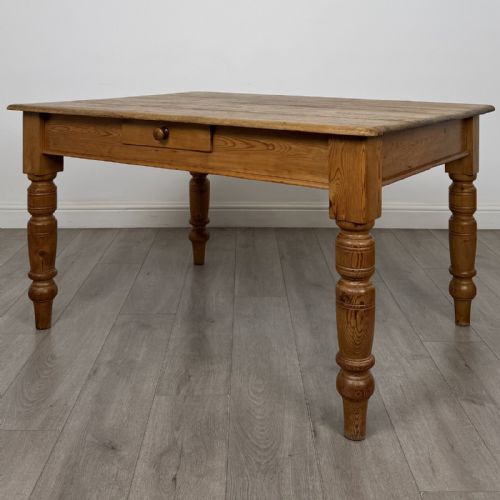
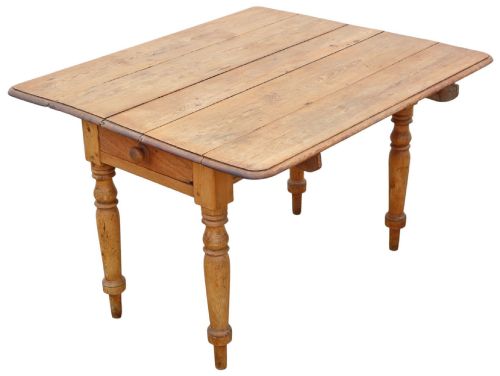
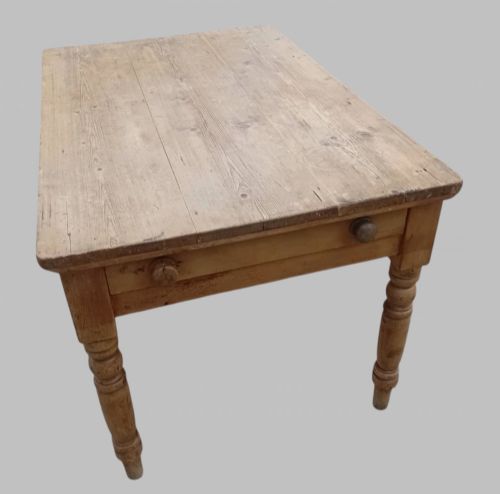
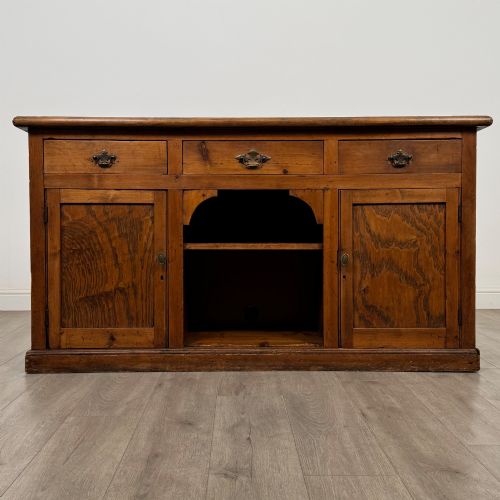
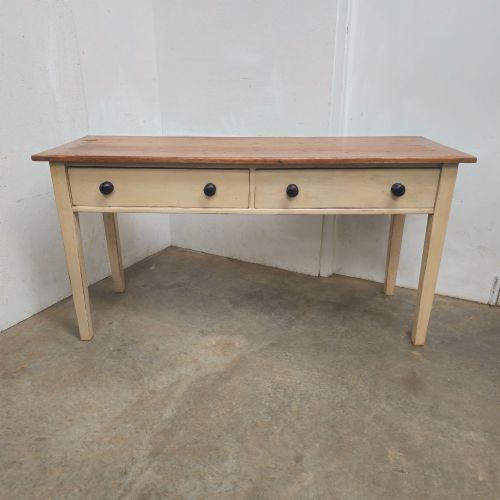
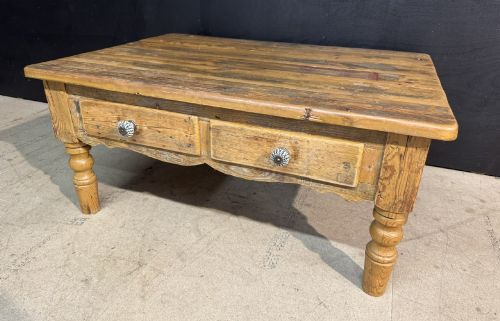
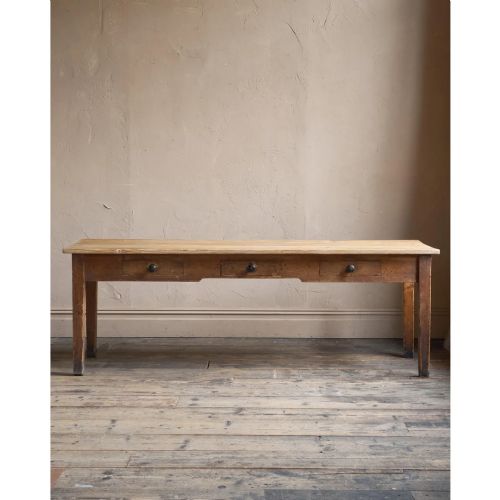
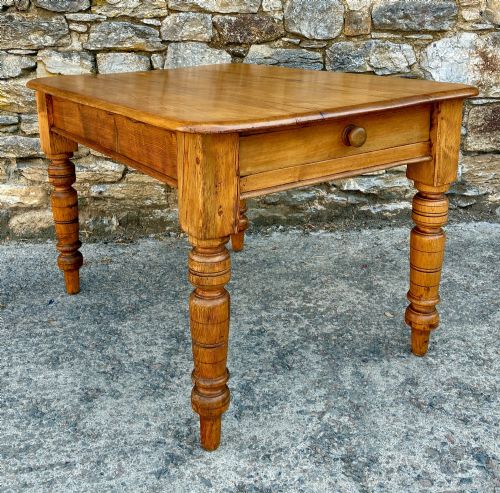
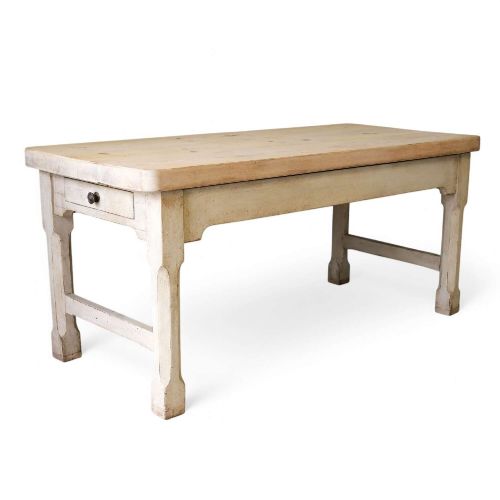
The most common forms on this page are drawer chests, kitchen prep tables fitted with single or multiple drawers, and dresser bases. They range from compact two-over-three configurations to long console tables and substantial multi-drawer storage units.
Origins vary between English workshops and French provincial makers, utilising native softwoods alongside occasional hardwood tops. Each piece reflects the straightforward domestic requirements of its period without unnecessary ornamentation.
Materials and construction
Construction relies heavily on solid pine, frequently paired with oak or chestnut for tabletops and structural elements. Cabinetmakers built these items to withstand heavy daily use, employing sturdy joinery and straightforward drawer construction.
Surfaces display a variety of finishes ranging from scrubbed bare wood and clear wax to original paint and later painted schemes. Brass hardware and ceramic fittings appear periodically on chests and dressers, while many tables incorporate simple turned or square legs.
Farmhouse Pine Drawers Retail Price Guide 2026
Typical asking prices for farmhouse pine drawers among the pieces listed under this phrase on Sellingantiques today, from the lower quarter to the upper quarter. They describe what is for sale here now, not the wider market.
Some tables worked so hard they accumulated eight drawers just to keep track of the rolling pins.
Assessing quality and character
Quality in these items rests upon the integrity of the timber, the retention of original surfaces, and structural balance. Pieces retaining their original paint or untouched scrub tops carry greater authenticity than heavily restored examples.
Proportion and scale distinguish finer pieces from standard utility furniture, particularly in multi-drawer chests and large work tables. Well-executed joinery and harmonious proportions indicate skilled workshop production rather than crude vernacular output.
The Farmhouse Pine Drawers Glossary
- Scrub top
- A bare wooden tabletop, usually pine, repeatedly scrubbed clean with soap and water in a working kitchen. This process creates a pale, smooth surface characteristic of nineteenth-century prep tables.
- Scullery table
- A heavy utilitarian table utilised for washing and food preparation in large country houses. These items frequently feature one or more deep drawers for kitchen implements.
- Dresser base
- The lower section of a kitchen dresser equipped with surface space and storage drawers. They stand independently as serving or work tables.
- Scumbled paint
- A decorative surface technique simulating grain using translucent glazes over a base coat. Victorian cabinetmakers applied this finish to give pine the appearance of costlier timbers.
- Drop leaf
- A tabletop with hinged flaps that fold down to save space. These mechanisms appear on smaller kitchen and dining tables in the evidence.
Farmhouse Pine Drawers: Frequently Asked Questions
How do I date a pine farmhouse piece?
Dating relies on construction methods, hardware types, and timber characteristics typical of the nineteenth century and Victorian periods. Hand-cut dovetails and original surface treatments offer reliable chronological indicators.
Simpler vernacular items often lack makers marks, requiring comparison with dated examples sharing similar leg turns and drawer configurations.
Are scrub tops difficult to maintain?
Scrub tops require minimal upkeep, usually needing only regular cleaning with mild soap and water to preserve the pale timber. Avoid harsh chemical stripping which ruins the historic patina accumulated over generations of use.
Application of natural wax helps protect the surface from staining while maintaining the authentic texture of a working kitchen table.
How were multi-drawer tables used originally?
Tables with numerous drawers served specific organizational purposes in dairies, sculleries, and large country house kitchens. They stored linens, cutlery, and provisions close to hand for domestic staff.
In modern settings, these compartments provide practical storage for household items while retaining their original utilitarian character.
What is the difference between waxed and painted pine?
Waxed pine displays the natural grain and warm golden tones of the softwood timber after decades of polishing. Painted finishes, including original schemes and scumbles, provided protection and colour in period interiors.
Both finishes are authentic to the nineteenth century, though surviving original paint commands particular interest among collectors.