



Farm Scene Art
Farm scene art records rural working life through paintings of livestock, farmyards and labourers.
Farm Scene Art
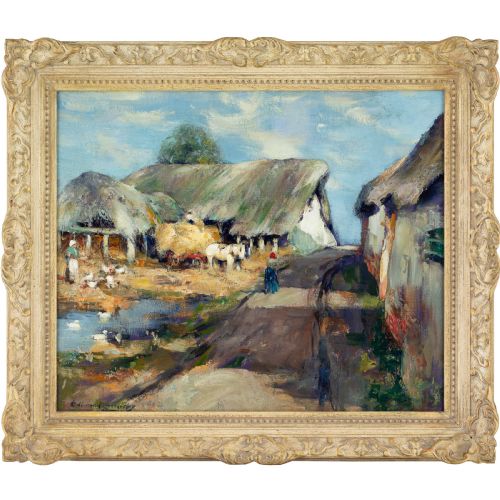
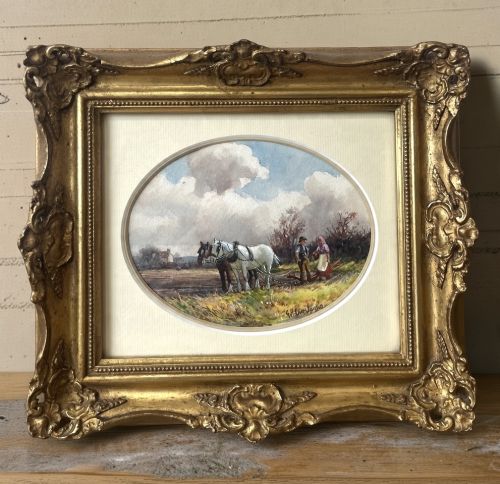
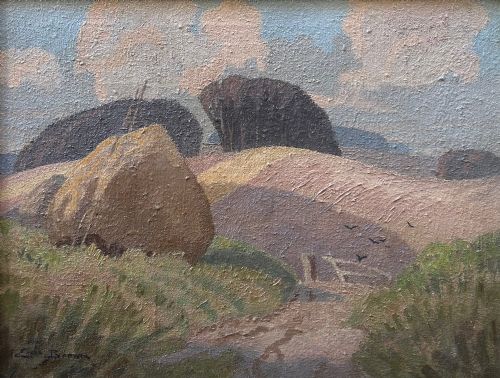
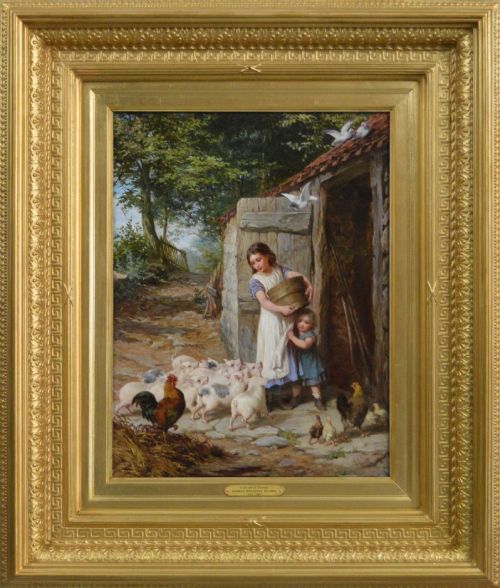
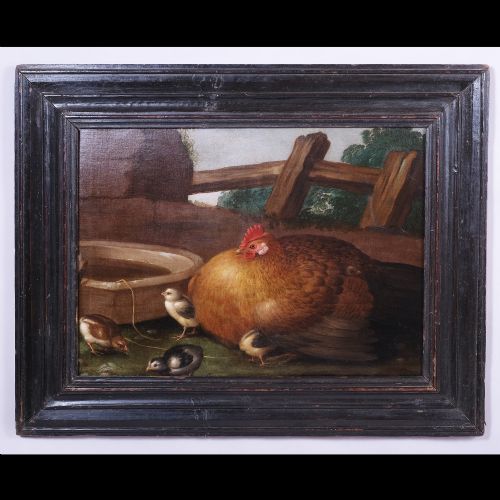
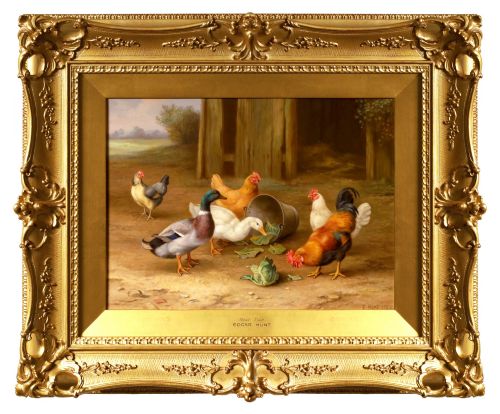
Farm scene art encompasses oil paintings and watercolours depicting rural life, agricultural work and farm animals. The works range from early eighteenth-century canvases to mid-twentieth-century watercolours and panels.
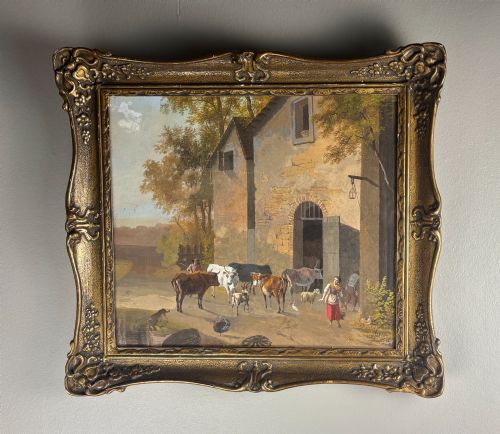
Buyers meet pastoral scenes featuring horses, cattle, sheep and poultry within farmyards or open landscapes. These pieces record historical agricultural practices through the eyes of Victorian, Edwardian and mid-century painters.
How they were made
Artists painted primarily in oil on canvas or oil on board, building up textured surfaces with oil paint. Watercolours on paper appear alongside these oils, sometimes framed in giltwood or ebonised surrounds.
Makers utilised canvas, wood panels and paper as grounds, applying pigments to capture light and detail in rural settings.
Farm Scene Art Retail Price Guide 2026
Typical asking prices for farm scene art among the pieces listed under this phrase on Sellingantiques today, from the lower quarter to the upper quarter. They describe what is for sale here now, not the wider market.
Periods represented span from the 18th century through the Victorian and Edwardian eras to the 1950s.
What varies in quality
Quality rests in the handling of light, brushwork precision and anatomical accuracy in the rendering of animals and figures. Master painters capture movement in working horses and feather textures in poultry with distinct control.
Compositional balance separates standard decorative works from accomplished regional landscapes and genre paintings by named artists.
George Augustus Holmes·Edgar Hunt·Claude Cardon·Herbert Royle·John Frederick Herring Jnr·Ernest Pile Bucknall·John Linnell·Owen Bowen
The Farm Scene Art Glossary
- Canvas
- A heavy woven fabric stretched across a wooden frame to form a painting surface. It serves as the primary support for many eighteenth and nineteenth-century works.
- Oil paint
- A slow-drying paint made by mixing pigments with oils such as linseed. This medium allows for rich colour blending and textured brushwork.
- Pastoral
- A style of art that idealises rural life and agricultural scenes. These works focus on farmyards, shepherds, labourers and livestock.
- Watercolour
- A paint consisting of pigment suspended in a water-based solution applied to paper. It produces transparent washes of colour.
Farm Scene Art: Frequently Asked Questions
What periods do these paintings cover?
The works span from the early eighteenth century through the Victorian and Edwardian eras into the mid-twentieth century.
Nineteenth-century pieces form a large portion of the selection, alongside works dated from the 1900s to the 1950s.
What subjects appear in farm scene art?
Subjects include working horses, cattle, sheep, pigs and poultry gathered in farmyards or depicted across rural landscapes.
Labourers resting, harvesting scenes and genre interactions between humans and animals also feature prominently.
Are these works painted on canvas or paper?
Artists used several supports, most notably canvas and oil board for oil paintings. Watercolours on paper also appear across the selection.
Panels of wood serve as the ground for specific landscape and farmstead studies.
How should I frame an antique painting?
Period works often retain original frames such as giltwood or ebonised surrounds that match their era of creation.
Preserving the existing frame protects the integrity of the piece and maintains its historical context.