





European School Portrait
A european school portrait carries the quiet gravity of continental pasts, bringing centuries of oil on canvas and framed drawing into modern rooms.
European School Portrait
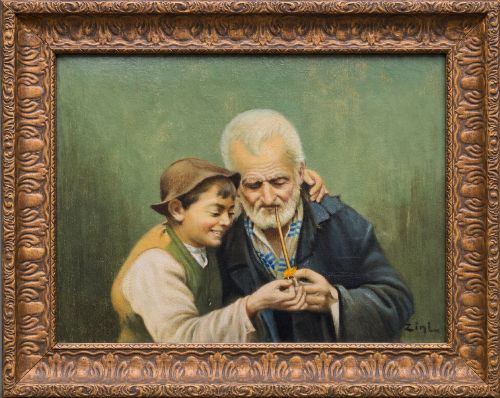
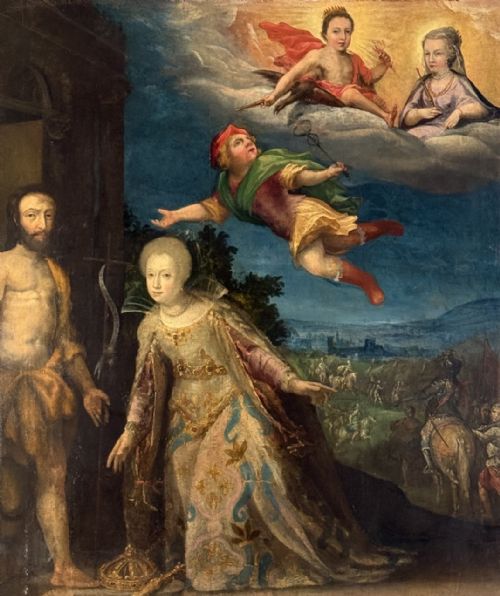
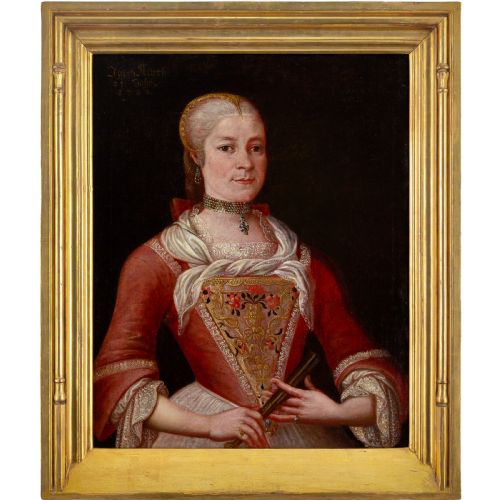
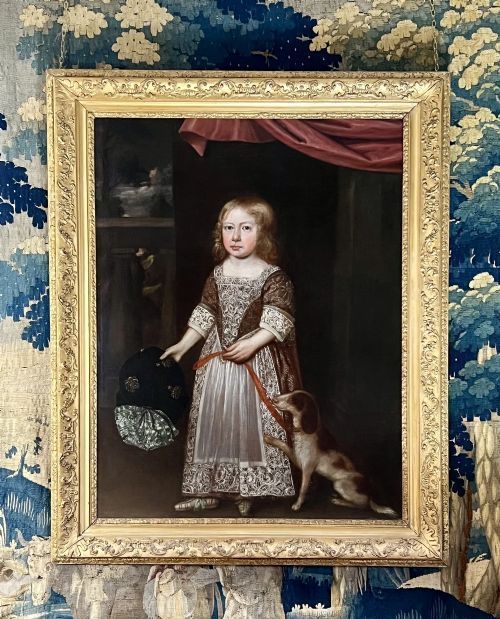
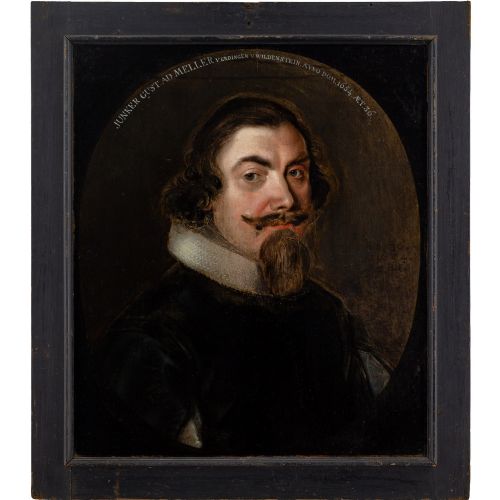
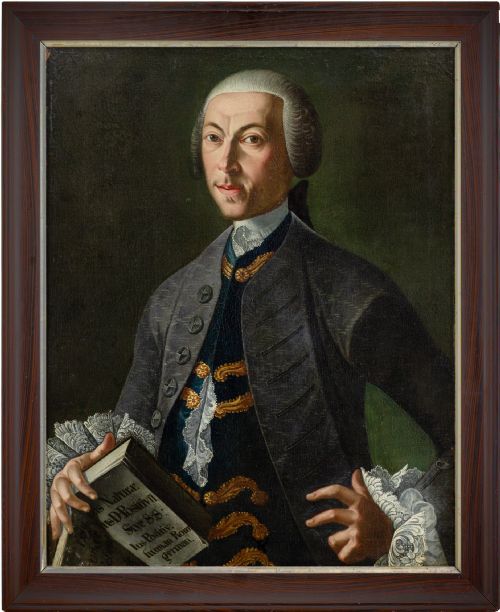
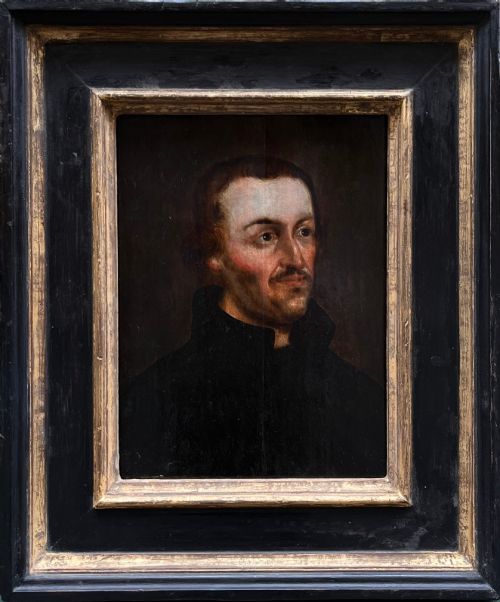
A european school portrait gathers regional continental works spanning the seventeenth, eighteenth, and nineteenth centuries. These pieces record sitters ranging from young royals and aristocrats to religious figures and unnamed subjects.
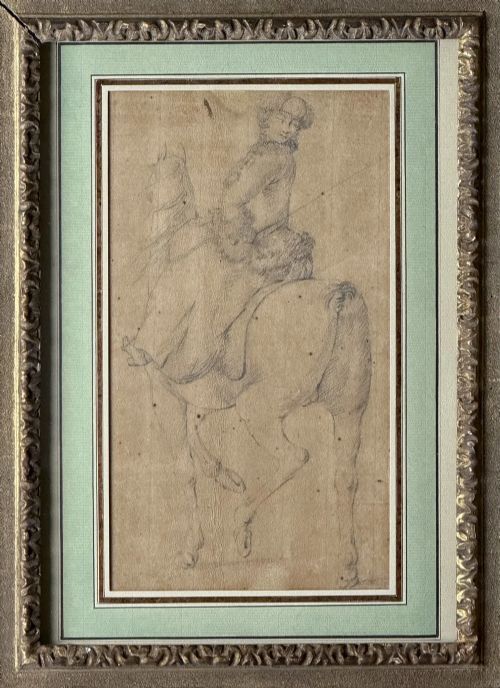
The selection on this page centres primarily on oil paintings executed on canvas or panel, alongside occasional framed drawings. Styles shift across regional hands, encompassing Italian School, Baroque, and various Northern European traditions.
Materials and Construction
Makers laid oil paint onto prepared canvas or wooden panels, building depth through successive pigment layers. Many works retain their period wood frames, often finished in giltwood or gilt wood.
Surfaces demonstrate traditional brushwork, visible in details such as lace ruffs, armour, and drapery. Technical alterations, including pentimento, appear where artists painted over earlier compositional choices.
European School Portrait Retail Price Guide 2026
Typical asking prices for european school portrait among the pieces listed under this phrase on Sellingantiques today, from the lower quarter to the upper quarter. They describe what is for sale here now, not the wider market.
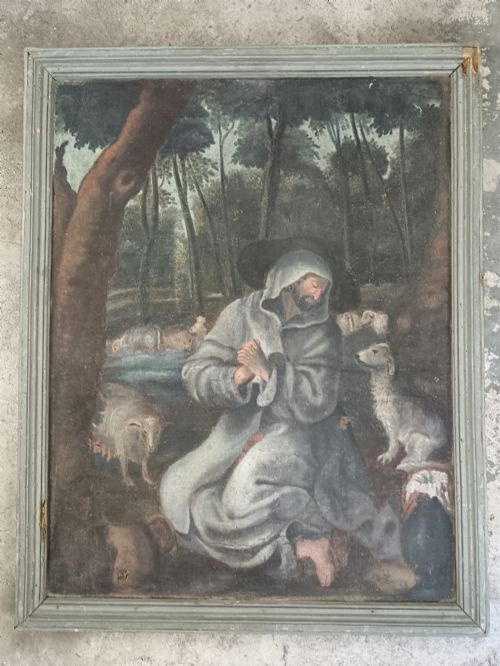
St. Francis shares space here with kings in armour, a boy king, and children from Romany camps.
Assessing Quality and Execution
Superior works reveal confident handling of facial expression, light, and fabric texture, particularly in rendering intricate collars or aristocratic dress. Finer examples maintain structural stability in both the canvas support and the surrounding frame.
Less accomplished pieces display stiffer proportions and flatter application of pigment. The distinction lies in the artist's ability to impart psychological presence to the sitter rather than relying solely on formulaic regional conventions.
The European School Portrait Glossary
- European School
- A designation used when a work originates from continental Europe without a specific known master attached to the hand.
- Baroque
- An artistic style prevalent during the seventeenth and eighteenth centuries, characterised by dramatic lighting, rich detail, and dynamic composition.
- Pentimento
- An alteration in a painting evidenced by visible traces of previous brushwork beneath the final layer.
- Giltwood
- Wood that has been coated with gold leaf or a gold-coloured finish, commonly found on period frames.
- Ruff
- A prominent pleated collar worn in the sixteenth and seventeenth centuries, frequently seen in early portraits.
European School Portrait: Frequently Asked Questions
What defines a european school portrait?
These works originate from continental workshops and academies where individual master attributions remain unrecorded. They capture regional stylistic traits from specific centuries.
Subjects include named historical figures, nobility, and anonymous sitters rendered in oil or drawn on paper.
How do I date these paintings?
Dating relies on stylistic evidence, costume details such as ruffs or armour, and the physical composition of the canvas and frame. Seventeenth-century pieces often display Baroque theatricality.
Later nineteenth-century examples shift in palette and brushwork, reflecting the academic standards of their respective periods.
Where should I hang an oil portrait?
These works suit traditional studies, living rooms, or hallways where natural light enhances the depth of the oil paint. Keep them away from direct sunlight and damp conditions.
Pairing the canvas with its period wood frame ensures visual consistency within a room.
What is the difference between school works and named artists?
School attributions denote regional workshops or circles of influence rather than a documented primary hand. This categorization encompasses collaborative studio output and regional traditions.
Despite lacking a single master signature, these paintings offer significant insight into period aesthetics and portraiture techniques.