

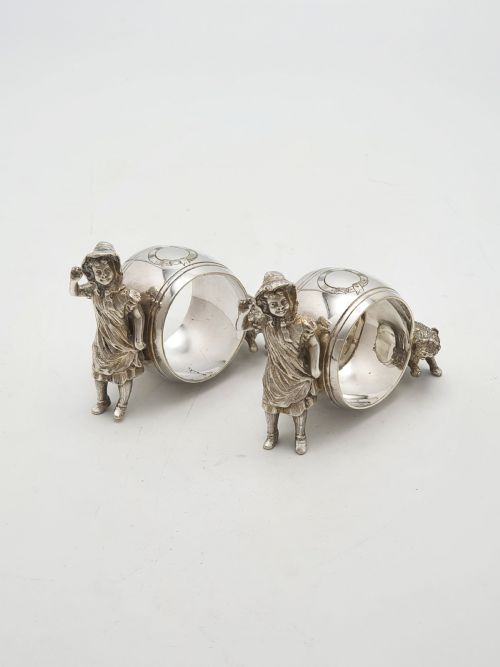


Engraved Victorian Ring
An engraved victorian ring carries personal initials, floral motifs or symbolic bands fashioned in gold or silver.
Engraved Victorian Ring
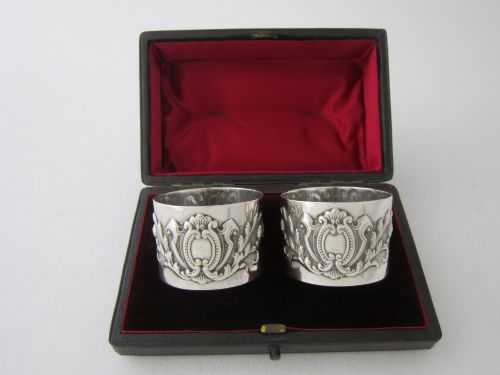
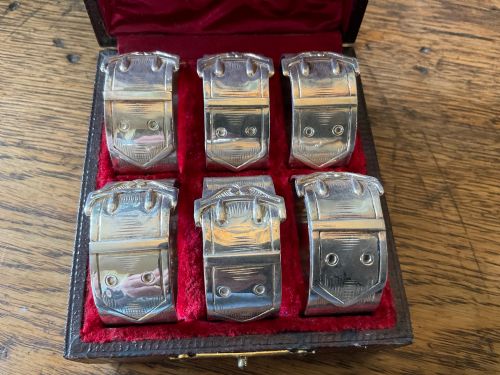
When you search for an engraved victorian ring, you encounter finger adornments originating from the nineteenth century through to the early decades of the twentieth century, alongside related forms such as napkin rings and dress bands.
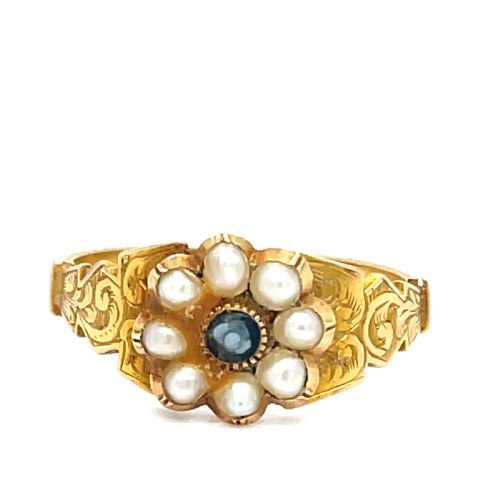
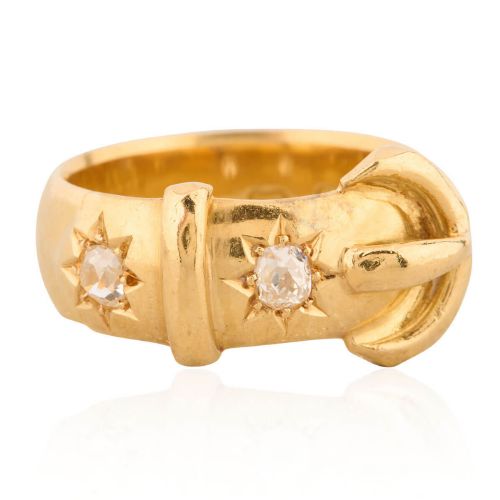
The selections span yellow gold, rose gold, and sterling silver, frequently featuring intricate hand-carved decoration, buckle motifs, or commemorative stones like turquoise, agate, and pearl.
You will notice that many pieces double as mourning or memorial jewellery, incorporating hair compartments, bloodstone seals, or inscribed sentiments that reflect the social customs of the period.
Metals and hand-carved techniques
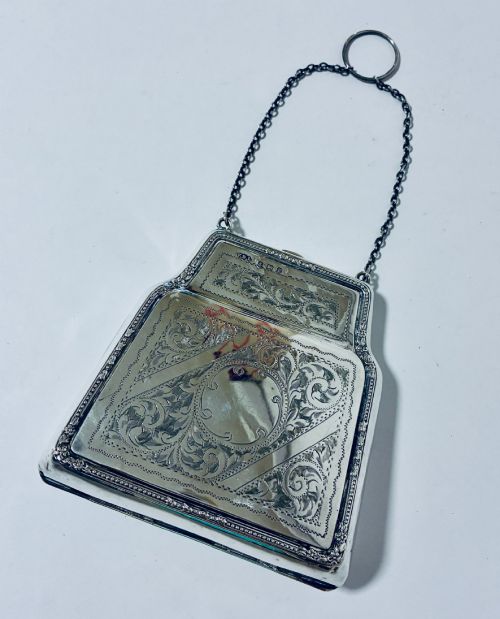
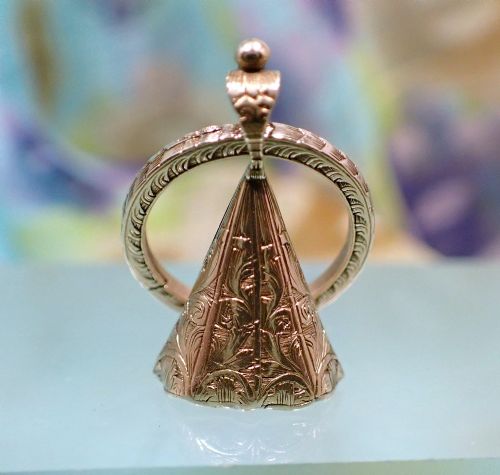
Goldsmiths and silversmiths shaped these pieces using solid 15ct or 9ct gold and sterling silver, applying hand-engraving tools to cut botanical patterns, names, and geometric borders directly into the metal surface.
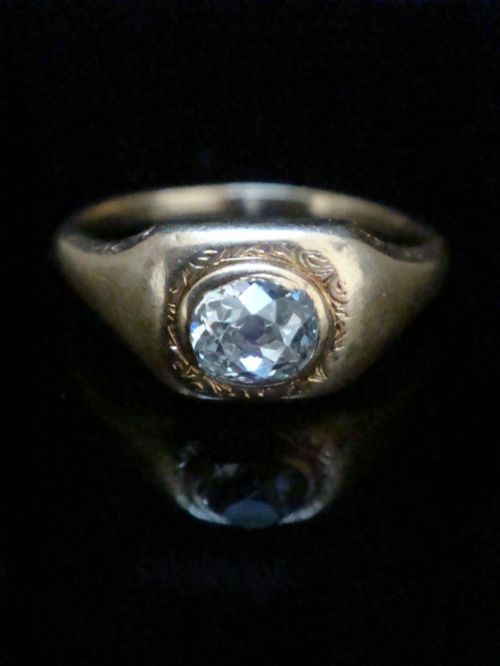
Certain examples integrate gemstones such as diamonds, rubies, sapphires, and pearls into the chased or engraved bands, securing them via flush gypsy settings or traditional claw mounts.
Engraved Victorian Ring Retail Price Guide 2026
Typical asking prices for engraved victorian ring among the pieces listed under this phrase on Sellingantiques today, from the lower quarter to the upper quarter. They describe what is for sale here now, not the wider market.
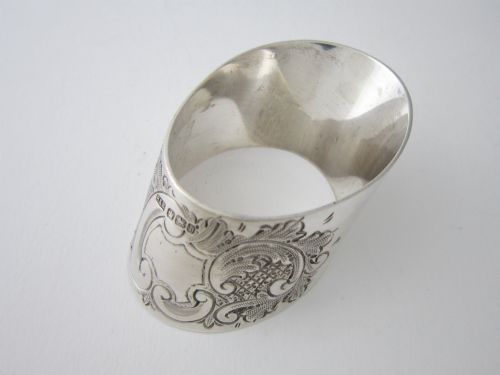
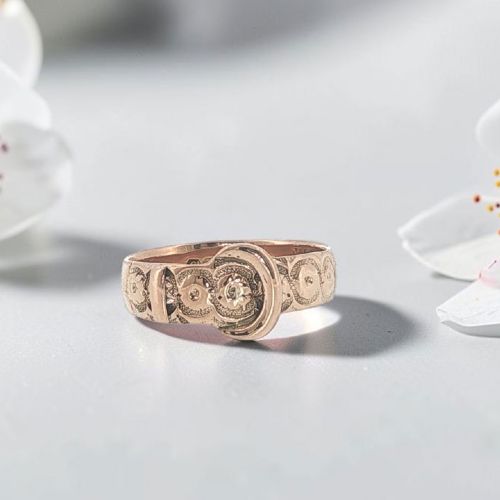
Several pieces double as functional fasteners, utilising belt buckle designs to keep napkins neatly secured at the dinner table.
Distinctions in craftsmanship and preservation
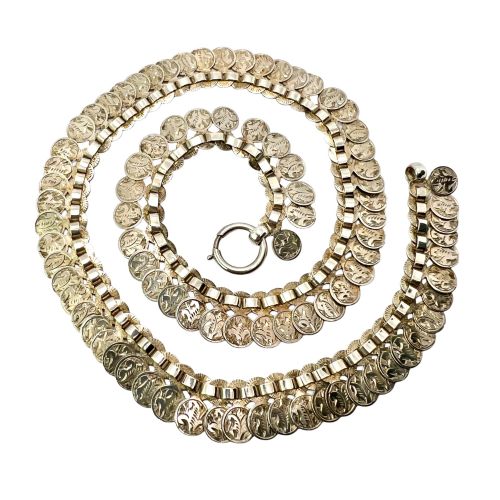
The standard of a piece rests upon the crispness of the hand-engraving, where deep, sharply defined botanical lines distinguish superior workshops from worn, shallow examples.
Original structural integrity, intact hallmarks, and the secure mounting of inlaid stones or memorial hair compartments further elevate the desirability of the item.
Walker and Hall
The Engraved Victorian Ring Glossary
- Hallmark
- An official stamp struck into precious metals to indicate the assay office, purity standard, and year of manufacture. These small marks allow historians to date silver and gold items accurately.
- Mourning ring
- A commemorative band commissioned to remember a deceased person, often featuring dark enamel, hair work, or specific memorial stones like jet and agate.
- Gypsy ring
- A style where the gemstones are flush-set directly into the thick metal band, sloping smoothly toward the finger.
- Bloodstone
- A dark green chalcedony flecked with red jasper spots, frequently utilised for signet seals and engraved rings during the nineteenth century.
- Split ring
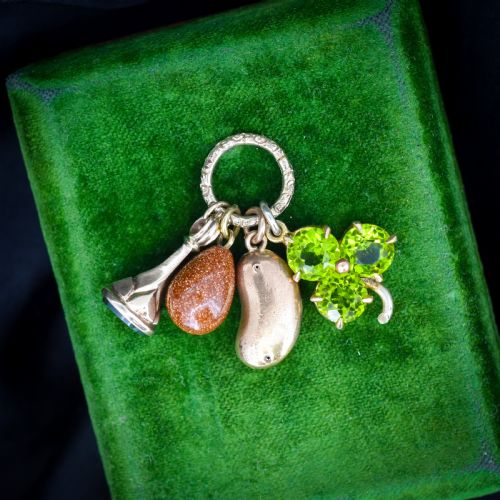
- A double-coiled metal ring operating like a modern key ring, commonly used to hold charms, fobs, or pendants securely.
Engraved Victorian Ring: Frequently Asked Questions
How do I identify a true period ring?
Examine the piece for official hallmarks, maker marks, and traditional casting methods typical of nineteenth-century metalwork.
Hand-engraved details and integrated memorial elements also help confirm authenticity.
Were these items worn daily?
Many solid gold and silver bands served as everyday wedding bands or decorative dress rings for Victorians.
More delicate mourning or gemstone examples were often reserved for specific social occasions.
What metals are most common?
Sterling silver and various grades of gold, particularly 9ct and 15ct yellow and rose gold, dominate the surviving inventory.
Silver plate also appears on related domestic hollowware items from the same era.
How should I care for antique jewellery?
Clean silver and gold gently with a soft microfibre cloth to preserve the shallow hand-engraved grooves.
Avoid harsh chemical dips that can damage soft stones like turquoise, pearls, or embedded hair work.