


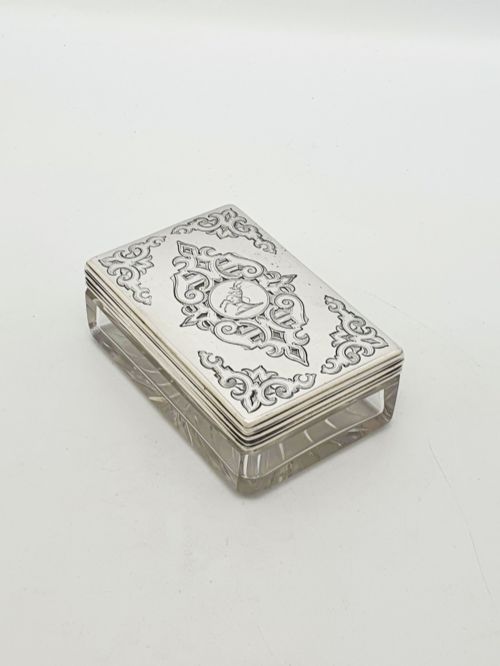


Engraved Silver Jars
Engraved silver jars are sophisticated receptacles crafted for vanity tables and drawing rooms, combining precious metalwork with glass or wood to store small treasures.
Engraved Silver Jars
Engraved silver jars encompass items such as tea caddies, biscuit barrels, trinket boxes, and vanity jars spanning the nineteenth and early twentieth centuries. These vessels appear in solid sterling silver, silver plate, and cut glass mounted with silver or silver gilt.
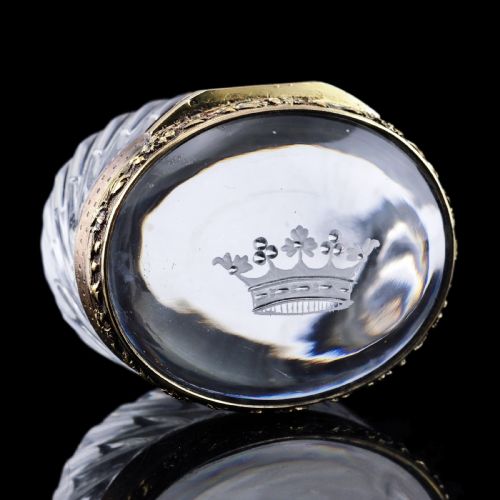
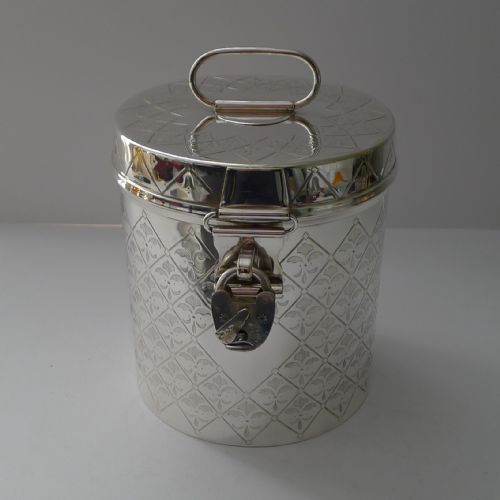
The Victorian period yields many robust examples, often paired with cut crystal or amethyst glass and fitted with locking mechanisms or heraldic finials. Edwardian and Georgian style pieces also emerge, alongside French nineteenth-century and Dutch silver containers.
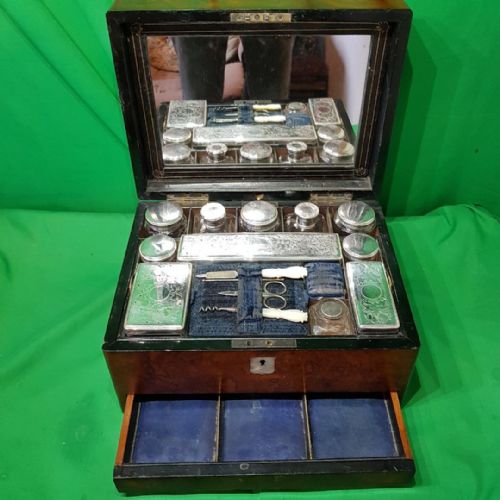
Buyers encounter forms ranging from drum biscuit boxes to tall dressing table jars and travelling sets housed in burr walnut. Each piece reflects the domestic habits and dressing routines of past centuries through dedicated compartment design.
Materials and construction
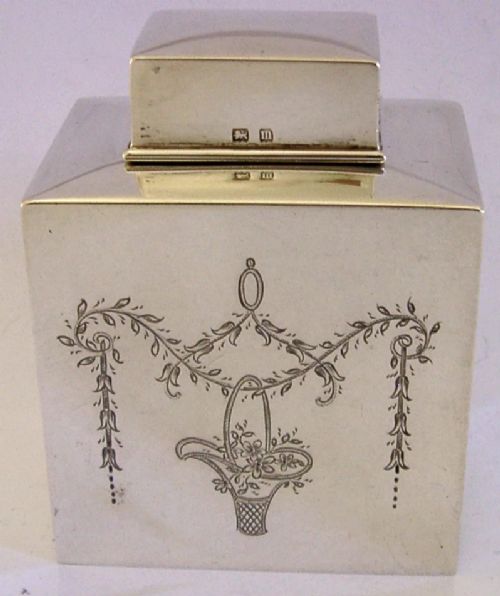
The construction relies on combining heavy-gauge sterling silver or electroplated nickel silver with blown and cut glass bodies. Metalsmiths chased, pierced, and engraved lids and mounts with floral, scroll, or heraldic motifs.
Glass components feature deep wheel-cutting and crystal faceting to catch the light, secured tightly to silver collars or hinges. Burr walnut frames are lined and fitted to house travelling sets securely.
Engraved Silver Jars Retail Price Guide 2026
Typical asking prices for engraved silver jars among the pieces listed under this phrase on Sellingantiques today, from the lower quarter to the upper quarter. They describe what is for sale here now, not the wider market.
Current listings feature sterling silver, silver plate, cut crystal, and burr walnut across Victorian, Edwardian, and Georgian style periods.
Assessing quality and execution
Quality rests upon the thickness and gauge of the silver, the crispness of the hand engraving, and the precision of the fit between lid and body. Heavier silver weight and fully legible hallmarks indicate superior manufacture.
The clarity and depth of cut crystal or specialised glass hues, such as amethyst, elevate a piece. Maker attributions to notable firms add historical weight to the craftsmanship.
Zimmermann·Mappin and Webb·Robert and Belk·Walker and Hall·Elkington and Co
The Engraved Silver Jars Glossary
- Sterling silver
- A silver alloy containing 92.5 percent pure silver and 7.5 percent other metals, usually copper, ensuring structural durability for hollowware and boxes.
- Silver plate
- A base metal, such as nickel silver, coated with a thin layer of pure silver through electroplating or older Sheffield plating methods.
- Cut glass
- Glass decorated by grinding facets and patterns into the surface using wheels, common on nineteenth-century vanity jars and biscuit barrels.
- Caddy
- A small box or jar originally designed for storing dry tea leaves securely away from moisture and light.
- Hallmark
- A stamp applied by an official assay office indicating the metal purity, place of origin, and year of manufacture.
Engraved Silver Jars: Frequently Asked Questions
What is the difference between a tea caddy and a biscuit barrel?
A tea caddy is a compact container traditionally proportioned to hold precious tea leaves, often featuring a secure internal lid.
A biscuit barrel is a larger, deeper vessel designed to store dry baked goods for drawing room hospitality.
How do I care for antique silver mounted glass?
Clean the silver mounts using a soft cloth and a gentle, non-abrasive silver polish, taking care to avoid contact with the glass or interior linings.
Wash the glass body separately in warm, soapy water and dry thoroughly to prevent moisture damage to hinges.
How can I date my silver jar?
Examine the silver components for official hallmarks, which typically include a date letter indicating the exact year of assay.
Style, weight, and construction methods such as cut glass patterns also provide strong chronological indicators.
Were vanity jars used every day?
Vanity jars formed an essential part of nineteenth-century dressing table sets, holding powders, creams, and pins for daily grooming.
Travellers also carried fitted sets featuring glass jars with secure silver lids inside burr walnut cases.