
Engraved Silver
Engraved antique silver brings together historic metalsmithing and detailed surface pattern, offering functional vessels and personal accessories shaped across Georgian, Victorian, and later eras.
Engraved Silver
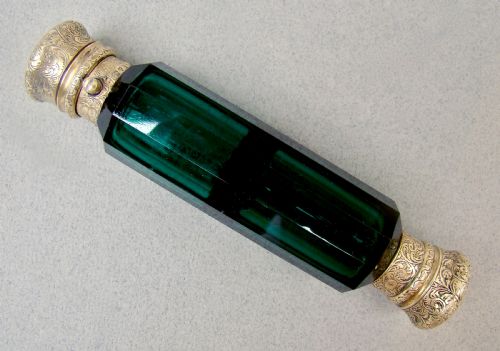
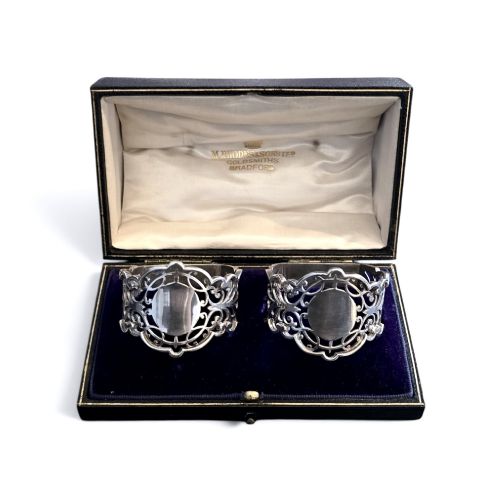
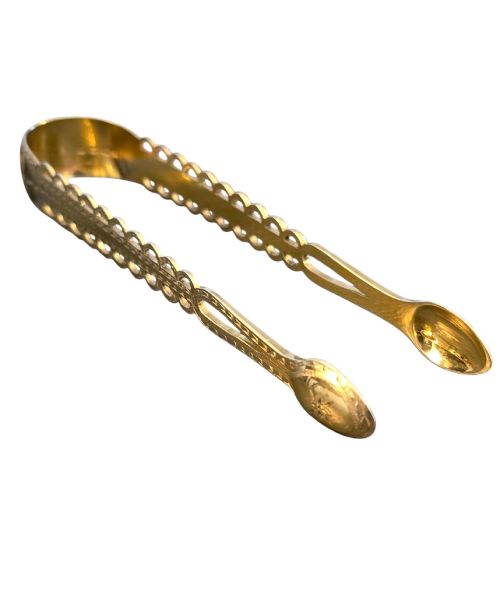
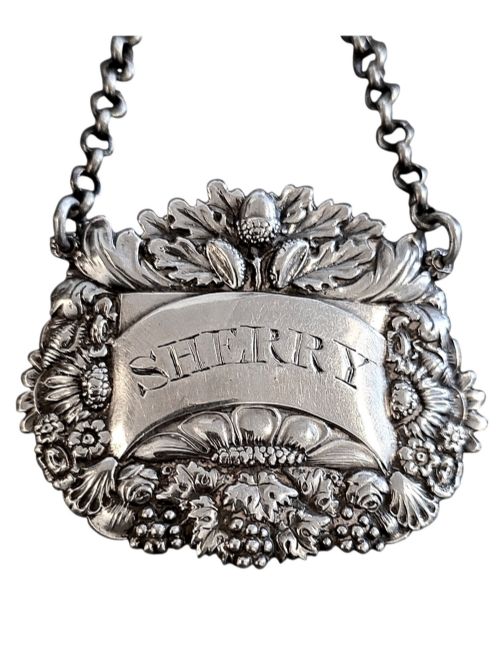
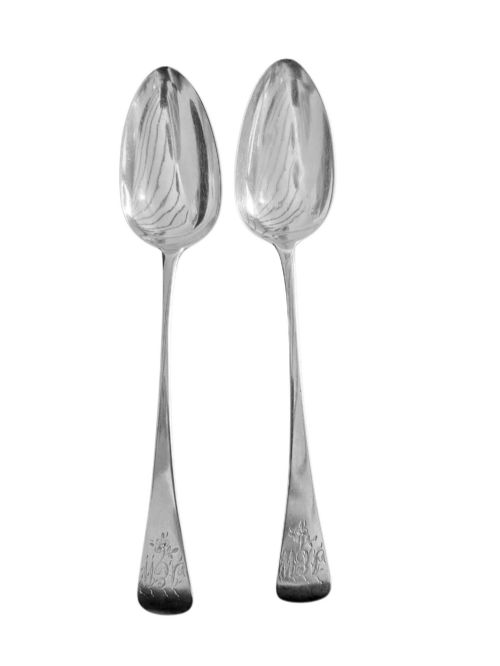
Engraved antique silver encompasses functional tablewares, personal containers, and decorative accessories produced primarily through the Georgian, Victorian, and Edwardian periods. Buyers searching for engraved antique silver encounter items ranging from massive tea trays and claret jugs down to delicate vesta cases, scent bottles, and snuff boxes.
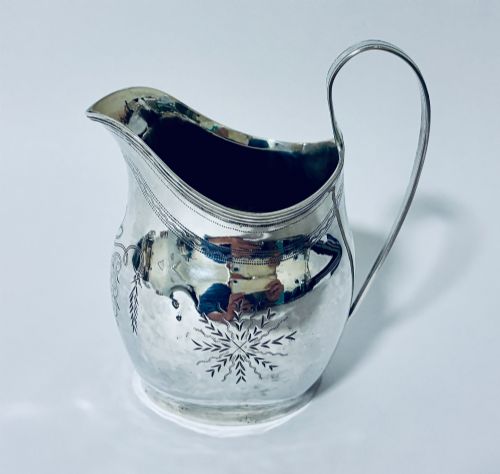
The objects take solid forms in sterling silver or silver plate, utilising metals and alloys shaped into vessels, flatware, and boxes. Many pieces carry domestic utility such as cream jugs, teapots, and toast racks, while others serve personal or commemorative functions including card cases, presentation trowels, and christening mugs.
Origins span British workshops in London, Birmingham, Sheffield, and Chester alongside continental, American, and colonial production. Pieces often feature stylistic influences from the Aesthetic Movement, Arts and Crafts, and neoclassical traditions, reflecting the design vocabulary of their respective decades.
Methods and Materials in Silver Engraving
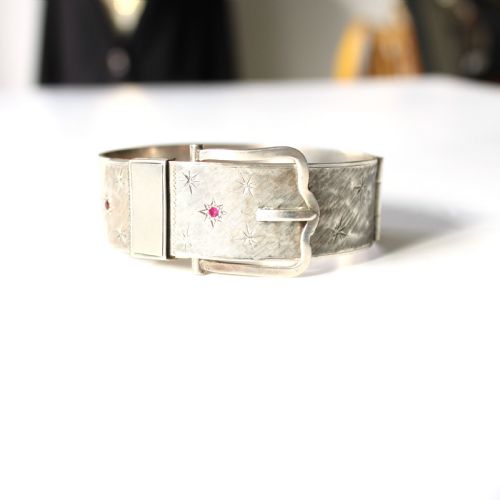
Makers utilised sterling silver, silver gilt, and electroplated nickel silver as primary foundations, combining sheet metal fabrication, casting, and spinning. Secondary elements incorporate glass inserts, enamel, amber, and semi-precious stones.
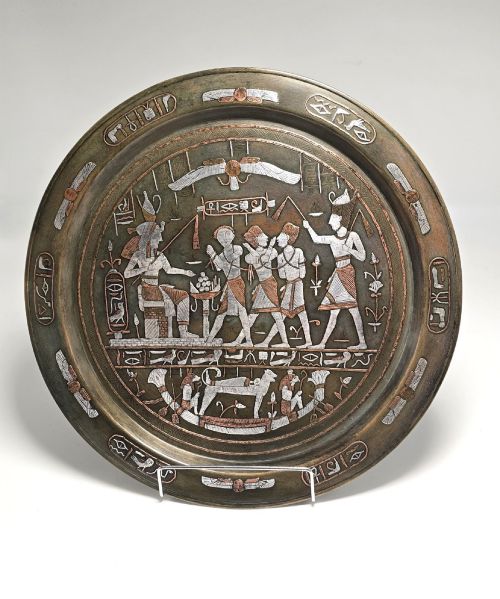
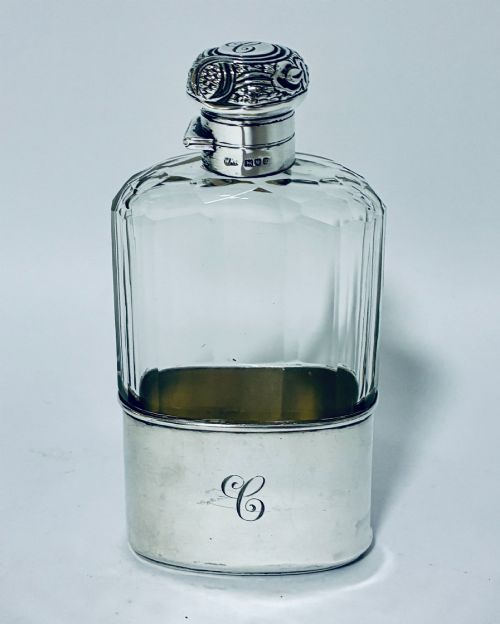
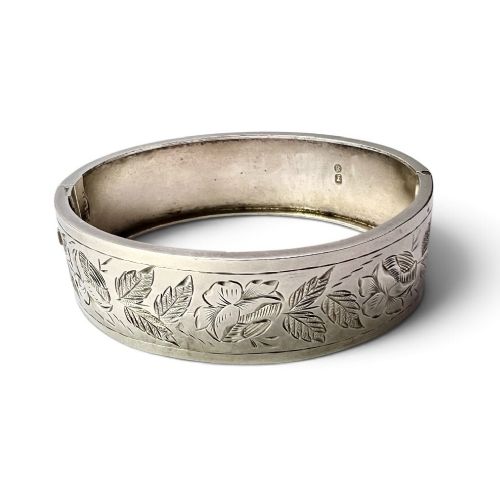
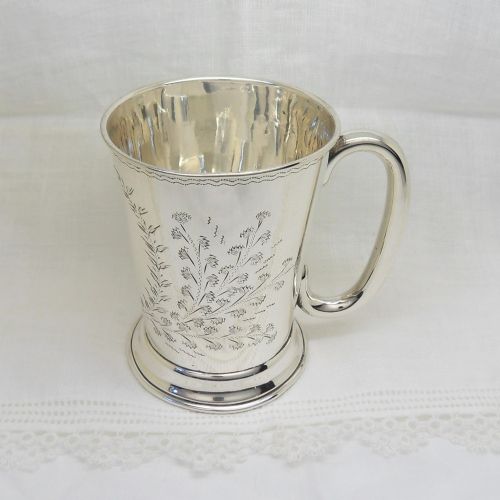
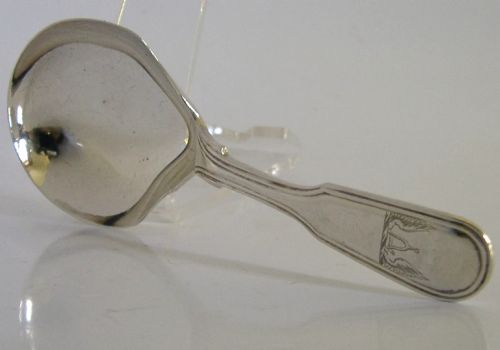
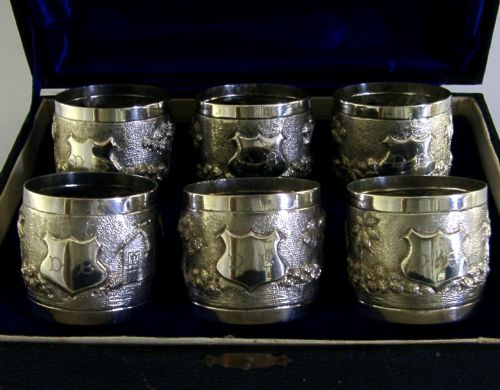
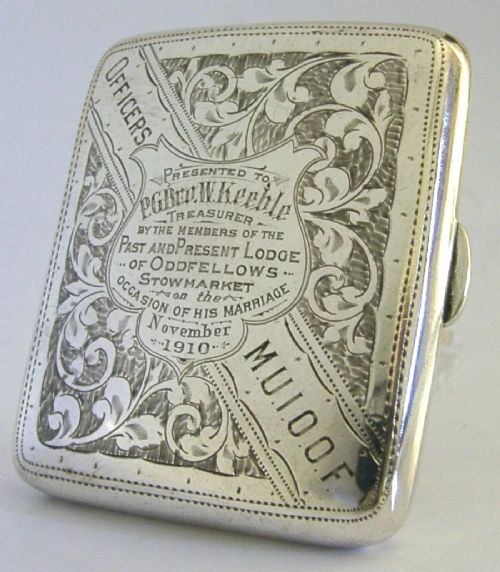
Surface ornamentation relied on manual cutting techniques where gravers displaced metal to form scrolls, floral motifs, cyphers, and armorial crests. Wriggle-work borders and engine-turned patterns added geometric texture to cigarette cases, beakers, and card cases.
A Victorian snuff mull fashioned from a ram's horn proves that Victorians would engrave practically anything with teeth.
Factors Distinguishing Quality
Quality rests upon the depth, precision, and hand of the engraving work itself, distinguishing deeply cut acanthus leaves or intricate armorial crests from shallow or mechanical scratching. The weight and gauge of the underlying metal dictate the structural integrity of boxes, trays, and holloware.
Maker attribution and clarity of hallmarks contribute significantly to desirability, as pieces bearing marks from noted silversmiths or specific regional assay offices command greater attention. The preservation of original form without distortion and the crispness of applied borders or mounts complete the assessment.
Elizabeth Morley·James Deakin·Stephan Wekeva·Howard James·EV Pledge and Son·Samuel Pemberton·Horton and Allday·John Pittar·Nathaniel Mills·Henry Holland·Edward Smith
The Engraved Silver Glossary
- Sterling silver
- A standard alloy consisting of 92.5 percent silver by mass and 7.5 percent other metals, usually copper. This composition provides the durability required for domestic objects while maintaining the lustre of pure silver.
- Silver gilt
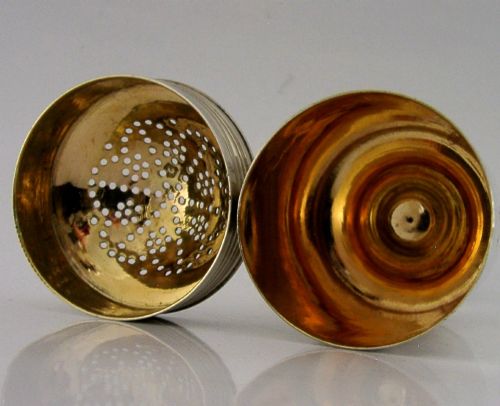
- Sterling silver that has been coated with a thin layer of gold on its surface. This technique protected the interior of vessels like presentation bowls and baptism spoons from tarnishing or chemical interaction.
- Vesta case
- A small pocket container designed to hold safety matches, typically fitted with a hinged lid and a striated striking surface at the base. Victorian and Edwardian examples often feature dense hand-engraved scrollwork.
- Vinaigrette
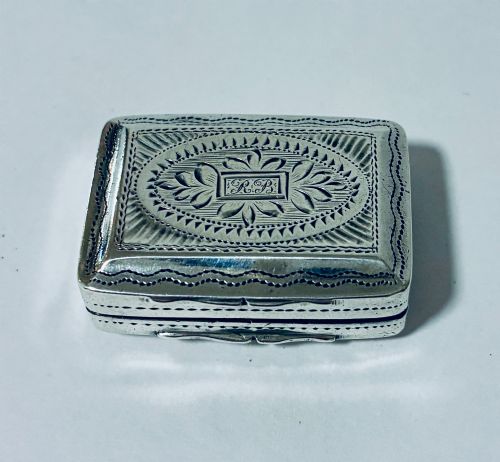
- A small ornamental box containing a sponge soaked in aromatic vinegar, held beneath an internal pierced grille. These Georgian and Victorian personal accessories were used to mask unpleasant odours.
- Wriggle-work
- A decorative engraving technique executed by rocking a flat graver back and forth across the metal to produce a zigzag line. It frequently appears as a border on mid-Victorian chalices and goblets.
Engraved Silver: Frequently Asked Questions
How do I clean engraved silver?
Cleaning requires a soft cloth and a gentle, non-abrasive silver polish formulated to lift tarnish without removing the metal. Care must be taken around engraved recesses so that polish residue does not dry and accumulate within the fine lines.
Water immersion should be avoided for pieces with internal wooden components, weighted bases, or delicate applied stones. A soft brush helps clear stubborn residue from deep hand-cut scrolls.
What is the difference between silver and silver plate?
Solid silver objects consist of the same precious metal alloy throughout their structure, meeting statutory fineness standards. Silver plate involves a base metal, such as copper or nickel silver, coated with a thin layer of pure or sterling silver.
Solid pieces show uniform metal colour where wear occurs, whereas plated items may reveal the base metal underneath through heavy friction. Hallmarks generally appear on solid silver, while maker marks on plate indicate plating methods or firms.
How do I read silver hallmarks?
British hallmarks typically combine a maker's mark, a standard mark indicating fineness, an assay office mark showing the town of testing, and a date letter signifying the year of manufacture. Together these stamps provide a verifiable timeline for the piece.
Foreign items display different national control marks, importer stamps, or purity numbers rather than traditional British leopard heads or anchor symbols. Consulting standard silver reference volumes assists in decoding unfamiliar stamps.
Can I use antique silver daily?
Many items, such as spoons, trays, and card cases, were built for regular handling and remain sturdy enough for contemporary use. Delicate holloware, scent bottles, and vinaigrettes require gentler treatment due to thin walls and fragile hinges.
Acidic foods and liquids should not be left in silver vessels for extended periods to prevent surface pitting. Hand washing is essential, as mechanical dishwashers use harsh detergents that damage antique surfaces.