



English Wooden Seating
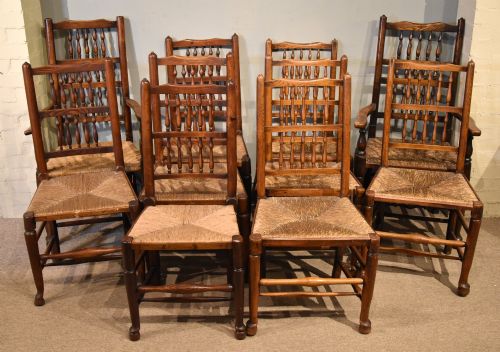
English wooden seating spans centuries of vernacular craftsmanship, offering solid oak, elm and ash chairs, settles and benches built for everyday use.
English Wooden Seating
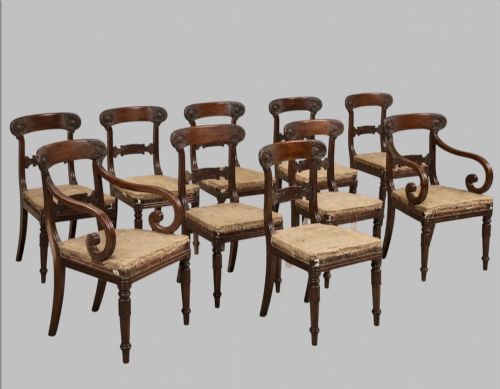
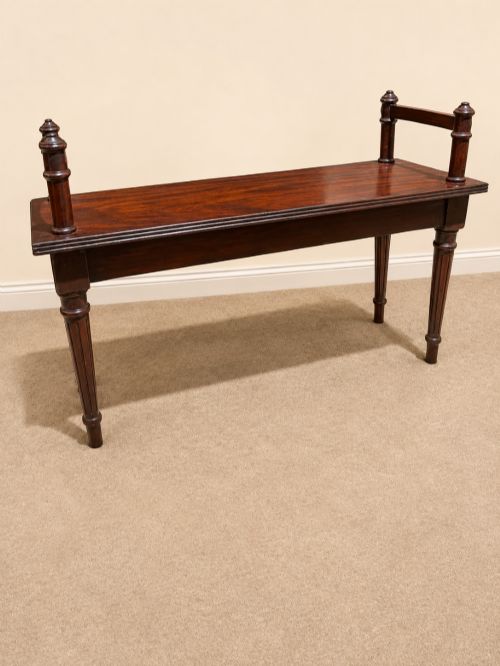
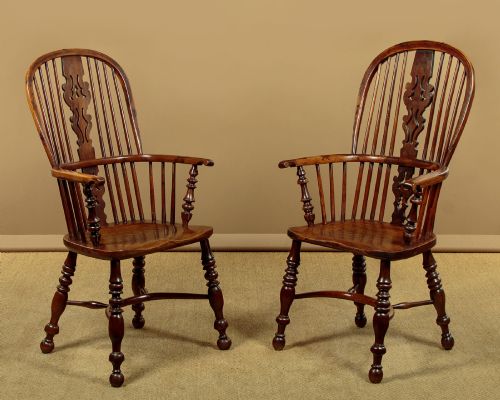
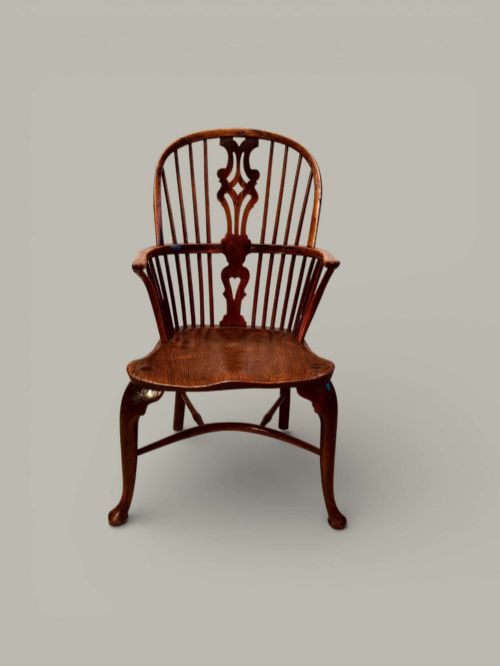
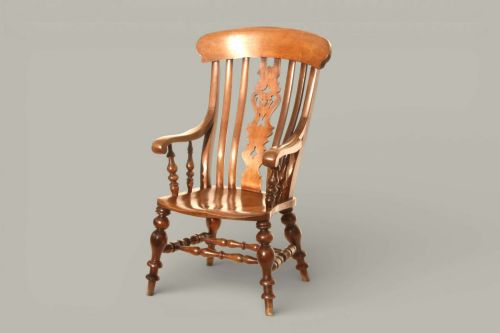
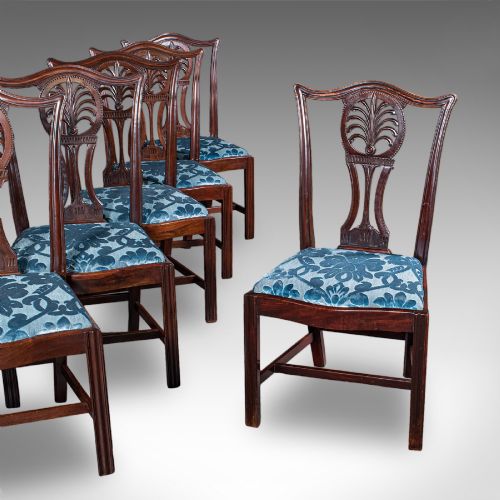
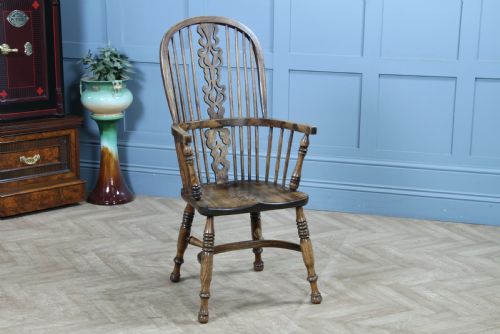
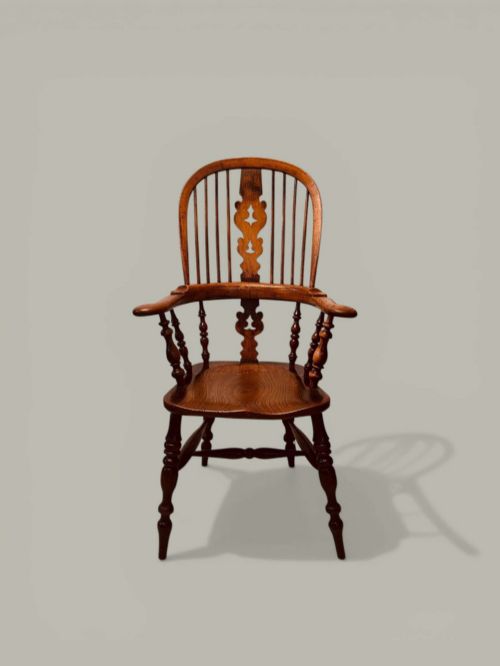
Windsor chairs dominate the vernacular selection, often combining elm seats with ash or beech spindles and yew wood bows. Alongside these country pieces, the listings include formal Georgian and Victorian mahogany dining chairs, Gothic revival oak benches, and tavern stools made from sycamore.
How these pieces were made
Cabinetmakers and country joiners relied on native hardwoods, turning to oak for structural rigidity in early joint stools and benches, while utilising the tensile strength of yew, ash and beech for bentwood Windsor chair hoops and spindles. Solid elm provided stable, cracking-resistant timber for carved saddle seats on kitchen chairs.
Construction techniques varied according to the intended function and social tier of the furniture, ranging from traditional mortise and tenon joints in joined oak furniture to steam-bent components and bodged spindle connections in Thames Valley and High Wycombe Windsors.
English Wooden Seating Retail Price Guide 2026
Typical asking prices for english wooden seating among the pieces listed under this phrase on Sellingantiques today, from the lower quarter to the upper quarter. They describe what is for sale here now, not the wider market.
Listings feature eighteenth-century and nineteenth-century Windsor armchairs alongside seventeenth-century joined oak stools and Edwardian dining tables.
What varies in quality
Quality in English wooden seating rests on timber selection, structural integrity and the retention of original surfaces rather than applied ornamentation. A well-figured yew and elm Windsor chair exhibits harmonious grain matching and balanced proportions, whereas lesser pieces display mismatched woods or replacement undercarriage components.
The degree of hand-carving and joinery finesse separates standard vernacular workshop production from pieces bearing attributed cabinetmaker craftsmanship. Original surface weathering and untouched patina elevate the standing of antique oak benches and primitive stools.
William Morris·Philip Clissett·Gillows
The English Wooden Seating Glossary
- Windsor chair
- A chair built with a heavy wooden seat into which the legs and back spindles are separately inserted rather than connected by a traditional frame. These chairs frequently feature combined timbers such as elm seats and ash bows.
- Joint stool
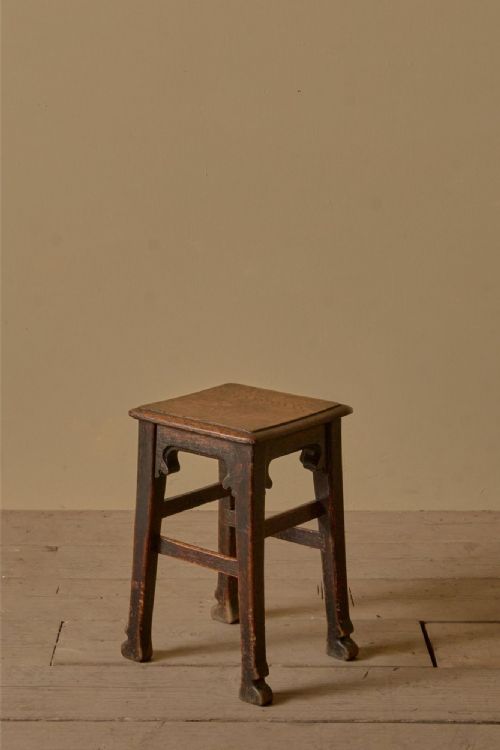
- An early form of domestic seating constructed with pegged mortise and tenon joinery before the widespread adoption of glued joints. These sturdy oak pieces date primarily from the seventeenth and eighteenth centuries.
- Settle
- A high-backed wooden bench with solid arms and a panelled back designed to block draughts in domestic interiors. Many examples incorporate enclosed box storage beneath the seat.
- Wheelback
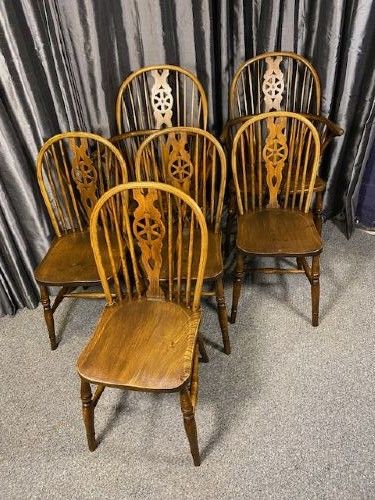
- A Windsor chair variation featuring a pierced splat shaped like the hub and spokes of a cart wheel. This design appeared widely in nineteenth-century kitchen and farmhouse seating.
- Carver
- An armchair designed to match a set of dining chairs, typically positioned at the head of a table. These seats share the stylistic details of the single chairs while offering arm supports.
English Wooden Seating: Frequently Asked Questions
What is a Windsor chair?
A Windsor chair is a vernacular seating form featuring a solid wooden saddle seat into which the undercarriage legs and upper back spindles are driven directly. They developed distinct regional variations across England, particularly in the Thames Valley and High Wycombe.
These chairs rely on mixed timbers, pairing durable elm for the plank seat with flexible ash or yew for the steam-bent back bows.
How do I date an oak joint stool?
Oak joint stools are dated by observing their construction methods, tool marks and timber shrinkage patterns. Seventeenth-century examples typically display pegged mortise and tenon joinery, heavily moulded rails and deep patination accumulated through centuries of handling.
Later reproductions often reveal mechanical saw marks and standardised timber dimensions that distinguish them from genuinely early joined furniture.
Where were Windsor chairs made?
Windsor chairs were produced across rural and provincial English workshops, with significant production centres established in the Thames Valley and High Wycombe in Buckinghamshire. Country bodgers turned chair legs and spindles in woodland clearings before sending them to town workshops for final assembly.
Local timber availability dictated the wood combination used in each workshop, resulting in varied regional characteristics.