






English Wall Shelves
English wall shelves bring practical timber storage to living spaces, offering tiered surfaces and plate racks shaped by centuries of domestic use.
English Wall Shelves
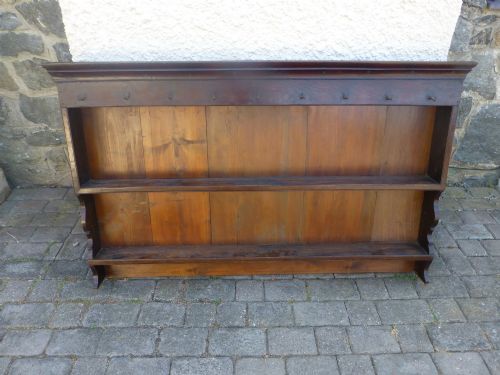
English wall shelves span robust eighteenth-century oak delft racks and delicate Victorian mahogany hanging shelves, designed to display ceramics and books directly upon the wall. These timber fixtures organise domestic interiors through open tiers or enclosed cupboards, providing functional display space without occupying the floor.
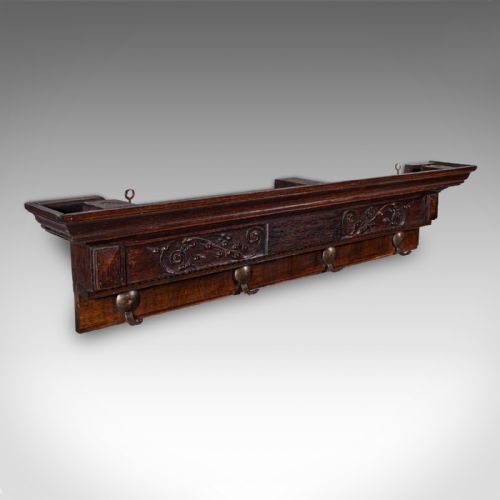
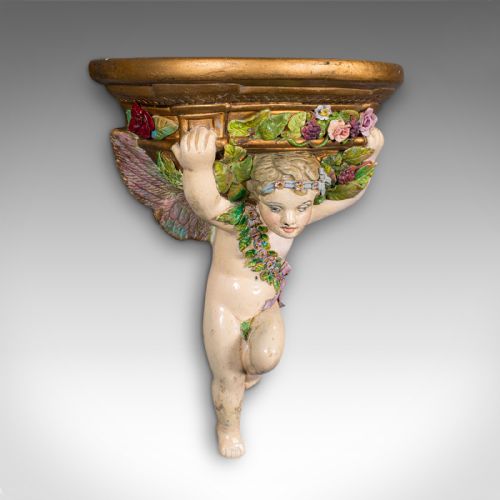
The pieces appearing under English wall shelves include country pine dressers, corner shelves, and mounted whatnot cabinets from the Georgian and Edwardian eras. Oak plate racks and mahogany hanging shelves dominate the early forms, while later Victorian iterations introduce giltwood brackets and bobbin turnings.
Regional vernacular makers favoured solid oak and pine for country delft racks, incorporating architectural details like Corinthian columns into everyday kitchen furniture. Formal urban spaces instead utilised polished walnut and mahogany, producing refined hanging cabinets and display shelves for reception halls.
Materials and construction methods
Cabinetmakers constructed these shelves using native English timbers such as oak, mahogany, walnut, and pine, selecting each wood for its structural grain and weight. Oak and pine suit the plank construction of eighteenth-century delft racks, whereas dense mahogany and walnut allow for slender turned supports and fine joinery.
Assembly relied upon traditional pegged mortise and tenon joints for heavy country plate racks and hanging cupboards, ensuring stability under the weight of heavy ceramics. Finer Victorian and Georgian hanging shelves employed precise dovetailing and brass fixings to secure delicate tier assemblies to the wall.
English Wall Shelves Retail Price Guide 2026
Typical asking prices for english wall shelves among the pieces listed under this phrase on Sellingantiques today, from the lower quarter to the upper quarter. They describe what is for sale here now, not the wider market.
A nineteenth-century pair of hanging cabinets recorded here carries the maker stamp of Town and Emanuel, proving that even walls needed fashionable partners.
Distinctions in quality
Quality rests upon the selection of timber and the integrity of the original construction, distinguishing robust country workshop output from refined urban cabinetmaking. Superior examples preserve their original surface patination and backboards, whereas lesser pieces often show structural timber replacement or compromised hanging points.
Carved architectural details, such as classical columns on eighteenth-century oak racks or finely turned bobbin members on nineteenth-century mahogany shelves, separate standard utilitarian items from exceptional decorative pieces. The presence of original brass hanging hardware and intact glass panels further marks the upper tier of surviving examples.
Connell of London·Town and Emanuel
The English Wall Shelves Glossary
- Delft rack
- A wall-mounted wooden rack specifically designed with grooves and plate rails to display ceramic plates and platters safely. These functional pieces originated in country kitchens to keep earthenware visible and accessible.
- Whatnot
- A piece of furniture consisting of multiple open tiers for displaying ornaments, books, or curiosities. Wall-mounted variants lift this tiered display function off the floor to utilise vertical wall space.
- Overmantle mirror
- A large decorative mirror designed to hang directly above a fireplace mantelpiece. Victorian and Georgian versions frequently incorporate wooden brackets and giltwood frames.
- Bobbin turning
- A form of woodturning where the lathe produces a series of rounded, spool-like shapes along the length of a support spindle. This technique appears on nineteenth-century decorative shelving and furniture supports.
- Hanging cupboard
- A wall-mounted cabinet enclosed by small doors, providing concealed storage above workspace surfaces. Eighteenth-century iterations in solid oak served domestic storage needs in kitchens and halls.
English Wall Shelves: Frequently Asked Questions
How do I hang antique wall shelves safely?
Antique wall shelves require secure fixings into structural wall studs or solid masonry using appropriate weight-bearing screws. The original hanging loops or brackets on the back must be inspected to ensure the timber remains sound enough to support the weight.
Distributing the load evenly across multiple fixing points prevents torque on the antique joints. Professional installation is recommended for heavy oak delft racks and large mahogany cabinets.
What is the difference between a delft rack and regular wall shelves?
A delft rack incorporates specific ledges, grooves, and retaining rails designed to hold ceramic plates upright without sliding. Standard wall shelves provide flat horizontal surfaces intended for books, small clocks, and decorative ornaments.
Kitchen and dining areas traditionally utilised delft racks for functional display, while general wall shelves served hallways and reception rooms.
How do I clean antique timber shelves?
Dust timber surfaces regularly with a soft, dry cloth to prevent particulate buildup on the historic polish. Avoid modern silicone sprays and harsh chemical cleaners that can permanently damage centuries-old wax finishes and patination.
Occasional application of high-quality beeswax feeds the dry wood of eighteenth-century oak and mahogany pieces, preserving the natural lustre of the grain.