



English Silver Tabletop
English silver tabletop objects bring practical refinement to a room, ranging from picture frames to intricate porringers.
English Silver Tabletop
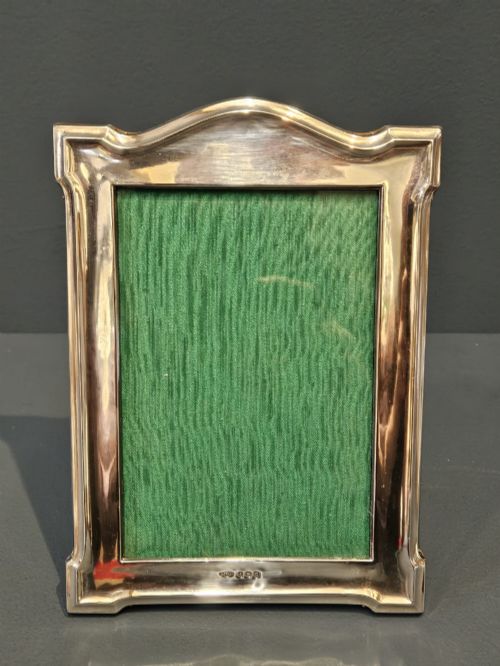
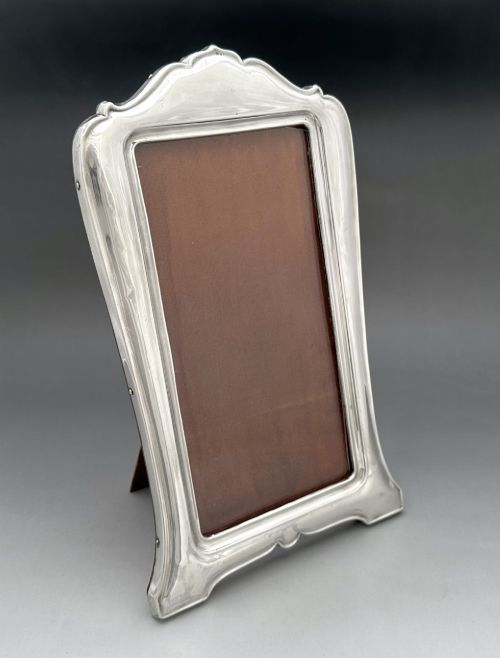
English silver tabletop encompasses a diverse array of functional and decorative items designed for domestic surfaces, with picture frames and candlesticks appearing most frequently.
The selection spans from the late eighteenth century through the Edwardian era and into the Art Deco period, offering both sterling silver and silver plate.
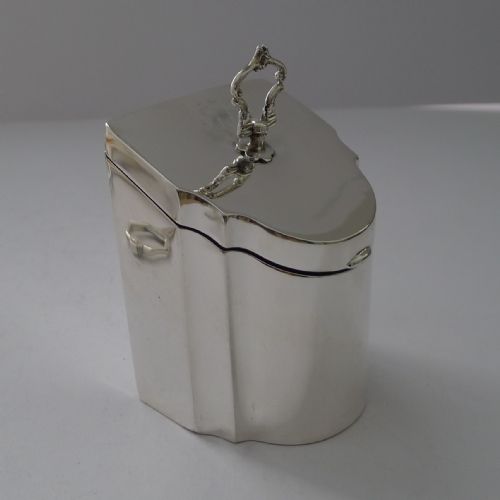
Domestic pieces such as tea caddies, vanity mirrors, and wine coasters reflect the shifting habits of the home across different stylistic periods.
Materials and construction
Items are constructed primarily from sterling silver, Britannia silver, or silver plate, frequently combined with glass, wood, velvet, and leather components.
Decorative techniques include engine-turning on photograph frames and delicate enamel work on specialty pieces, alongside traditional hallmarks indicating origin and date.
English Silver Tabletop Retail Price Guide 2026
Typical asking prices for english silver tabletop among the pieces listed under this phrase on Sellingantiques today, from the lower quarter to the upper quarter. They describe what is for sale here now, not the wider market.
The listings span from the eighteenth century through Victorian, Edwardian, and Art Deco periods, utilising sterling silver, silver plate, glass, and wood.
Judging quality
The distinction between ordinary and superior pieces rests upon the crispness of the maker's mark, the weight of the metal, and the precision of decorative elements like engine-turning.
Condition remains paramount, particularly in items combining glass or textiles with silver, where original components and clear hallmarks elevate the piece.
Charles Overing·Walker & Hall·Barker Ellis
The English Silver Tabletop Glossary
- Hallmark
- Official stamps impressed into silver indicating the standard of purity, the assay office, and the date of manufacture. These marks provide the definitive history of a piece.
- Sterling silver
- An alloy containing ninety-two point five percent silver by mass, with the remainder being other metals, usually copper. It represents the standard quality for British silver.
- Britannia silver
- A higher standard of silver alloy containing ninety-five point eight percent pure silver. It was mandatory in England for a specific period during the early eighteenth century.
- Engine-turning
- A mechanical technique used to engrave intricate geometric patterns onto metal surfaces. It provides both texture and visual depth to items such as photograph frames and cigarette boxes.
- Porringer
- A small, shallow bowl with one or two horizontal flat handles, used historically for porridgès and broths. Early examples often exhibit high craftsmanship and distinct maker marks.
English Silver Tabletop: Frequently Asked Questions
How do I clean silver tabletop pieces?
Use a soft cloth and a gentle, non-abrasive silver polish to remove tarnish without harming the underlying metal or any integrated materials like velvet or glass.
Avoid harsh chemical dips, which can strip away desirable patinas and damage delicate surface details or soldered joints.
What is the difference between sterling and silver plate?
Sterling silver is solid metal meeting a strict legal purity standard throughout the entire object. It carries full hallmark stamps.
Silver plate consists of a thin layer of silver bonded to a base metal core, such as copper or brass, and usually bears different stamps indicating plating methods.
How can I tell the date of an English silver item?
Look for the assay office mark and the specific date letter stamp within the cluster of hallmarks. Each office used a rotating alphabet sequence.
Matching these letters against official dating charts reveals the exact year the piece was tested and hallmarked.