








English Silver Pieces
English silver pieces are durable domestic vessels and table objects spanning multiple centuries, offering tangible craftsmanship for daily service and display.
English Silver Pieces
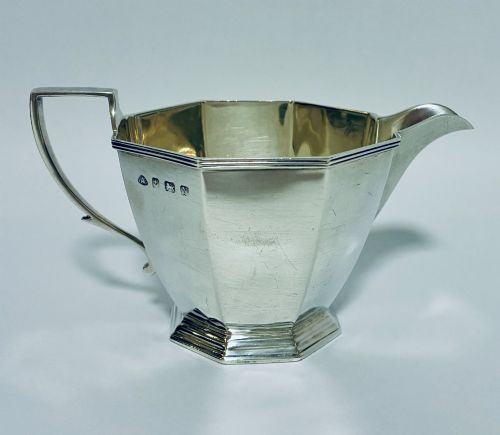
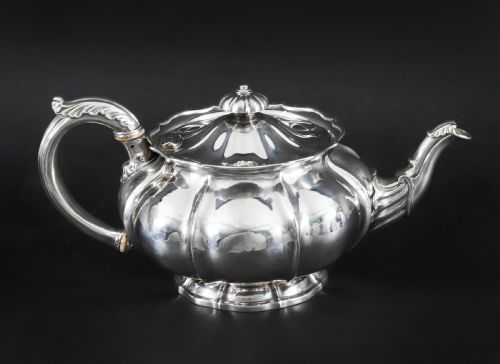
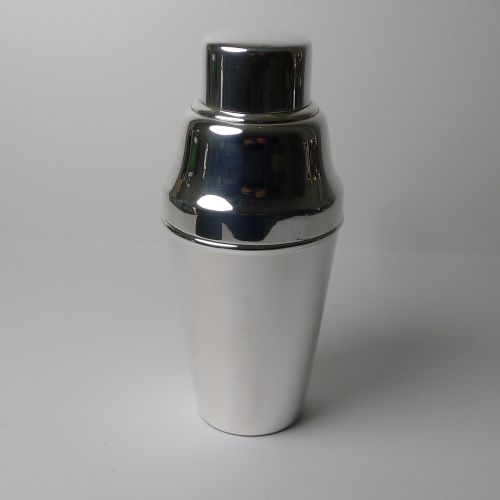
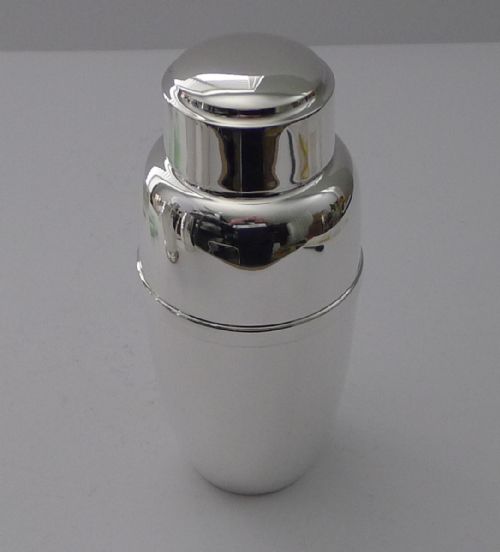
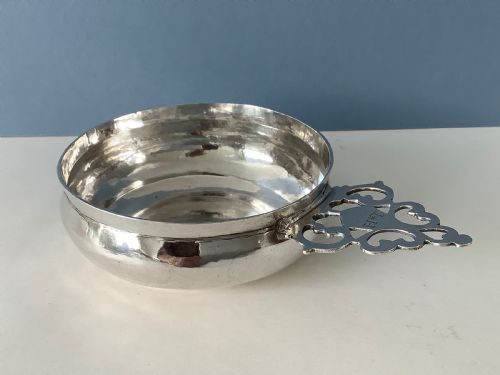
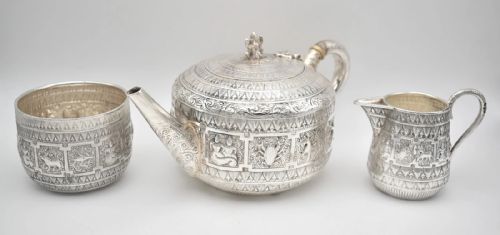
English silver pieces encompass a wide spectrum of functional dining ware and decorative accessories originating across the Georgian, Victorian, Edwardian, and Art Deco eras. When searching for english silver pieces, buyers encounter everything from modest cream jugs to elaborate tea services and cocktail shakers.
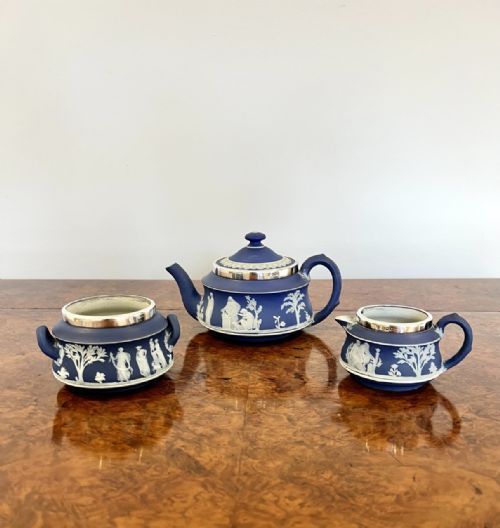
The objects listed on this page cross numerous domestic categories, featuring teapots, dressing table sets, sauce boats, and specialised items like marine buoy spoon warmers. Materials range from solid sterling silver and early Britannia standard silver to silver plate, often combined with bone, cut glass, jasperware, or tortoiseshell.
Distinctions in craftsmanship and design
Quality separates through the crispness of chased or embossed ornamentation, the weight of the silver, and the structural integrity of hinged lids and handles. Pieces bearing the mark of prominent silversmiths exhibit superior precision in chasing and balance compared to standard commercial output.
The preservation of original elements, such as matching sets and undamaged secondary materials like tortoiseshell or jasperware, dictates the standing of an item. Silver plate quality depends on the retention of the plating over the underlying base metal across years of use.
English Silver Pieces Retail Price Guide 2026
Typical asking prices for english silver pieces among the pieces listed under this phrase on Sellingantiques today, from the lower quarter to the upper quarter. They describe what is for sale here now, not the wider market.
Current listings feature items from the eighteenth, nineteenth, and twentieth centuries, utilising sterling silver, silver plate, jasperware, and cut glass.
Paul Storr·Jonathan Douglas·C S Green and Co·William Suckling Ltd·George Fox
The English Silver Pieces Glossary
- Sterling silver
- An alloy consisting of 92.5 percent silver and 7.5 percent other metals, typically copper, used widely for British domestic plate. This standard has served as the baseline for quality English silver pieces for centuries.
- Britannia standard
- A higher purity silver standard introduced in England, containing 95.84 percent silver. Items bearing this standard often date to the early eighteenth century.
- Silver plate
- A manufacturing method where a thin layer of silver is fused onto a base metal such as copper or nickel brass. This technique offered an accessible alternative to solid sterling silver during the nineteenth and twentieth centuries.
- Jasperware
- A type of fine stoneware developed by Wedgwood featuring a matte surface, frequently incorporated into nineteenth-century tea sets alongside silver mounts.
- Embossing
- A metalworking technique where the design is raised from the reverse side by hammering, prominent on eighteenth-century hollowware.
English Silver Pieces: Frequently Asked Questions
How do I date an English silver piece?
Dating relies heavily on hallmarks stamped directly into the metal, which indicate the assay office, the maker, and the year of production through specific date letters. Stylistic markers such as Art Deco geometric lines or Georgian rococo scrolls provide further chronological context.
Additional clues appear in registration marks or patent numbers found on nineteenth-century items, which trace the exact year an industrial design was legally protected.
What is the difference between sterling and plate?
Sterling silver is a solid precious metal alloy containing 92.5 percent silver throughout its entire mass, carrying inherent intrinsic value. Silver plate consists of a thin coating of silver applied over a less valuable base metal.
Over decades of cleaning, plated items may show the base metal beneath worn areas, whereas solid sterling maintains its metallic composition right through to the interior.
How should I clean antique silver?
Cleaning requires mild, non-abrasive silver dips or specialised polishing cloths formulated specifically for precious metals to remove tarnish without scratching the surface. Excessive polishing removes thin layers of silver plate and can soften delicate embossed details on antique pieces.
Items combining silver with organic materials like bone, tortoiseshell, or jasperware require careful avoidance of liquid immersion to prevent damage to the secondary components.
Were tea sets used daily?
Georgian and Victorian tea services served as central elements of upper- and middle-class domestic hospitality, utilised during formal afternoon gatherings and evening routines. Complete four or five-piece sets accommodated the preparation and serving of both tea and coffee.
Survival in complete matching sets indicates many were kept carefully preserved for special occasions rather than subjected to heavy daily wear.