



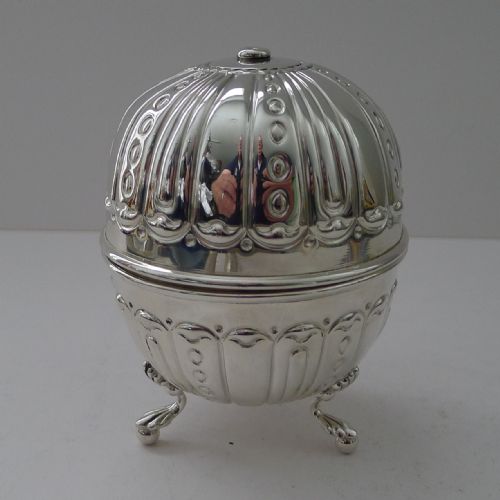


English Silver Container
An English silver container brings tangible historical craft to daily storage, offering everything from delicate pill boxes to substantial biscuit barrels.
English Silver Container
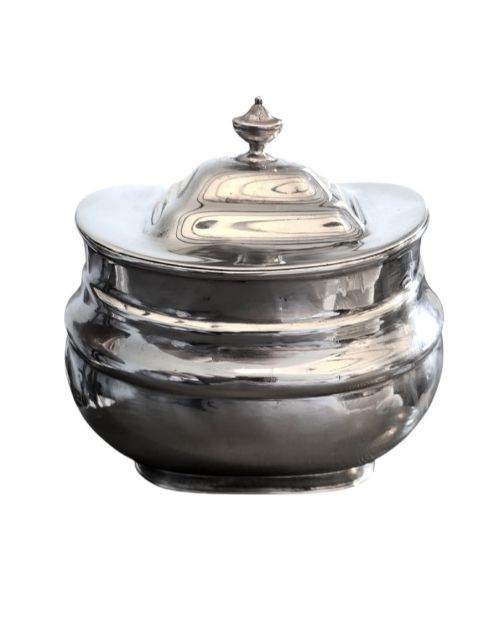
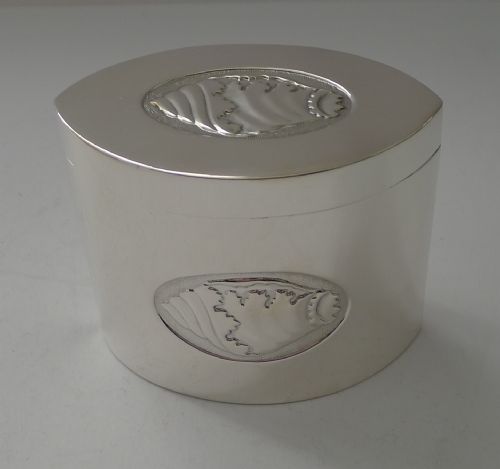
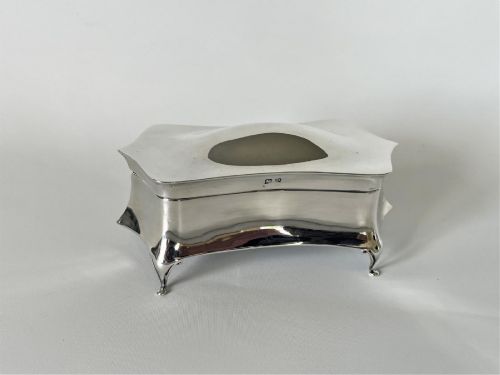
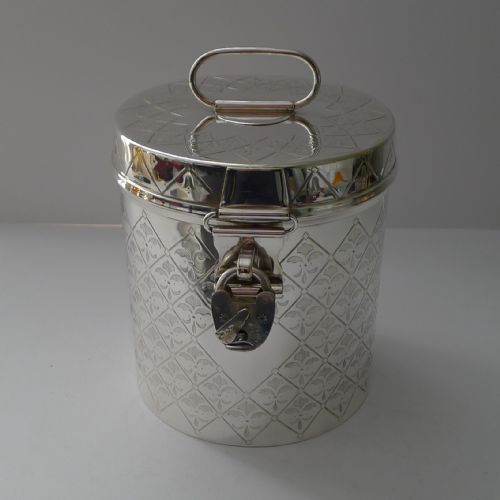
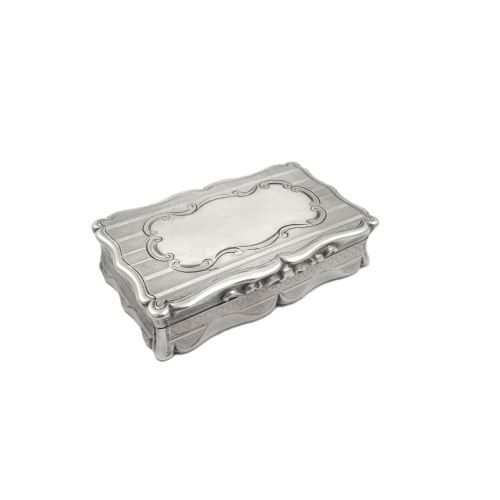
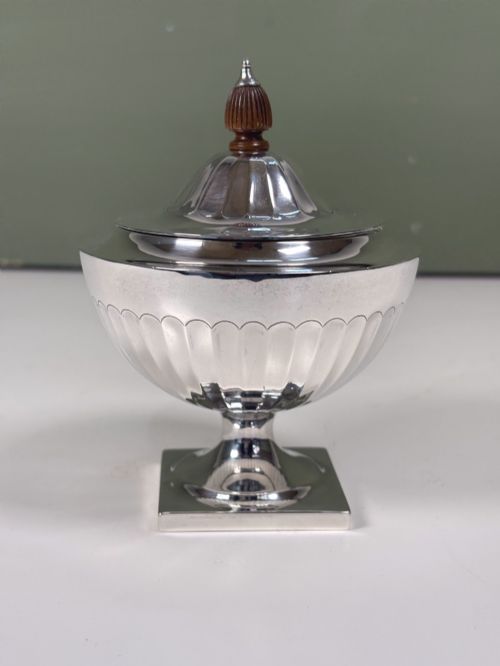
When you search for an English silver container, you encounter a varied assortment of domestic vessels designed for storage and display. These items include tea caddies, trinket boxes, snuff boxes, biscuit barrels and specialised smoking accessories spanning multiple centuries.
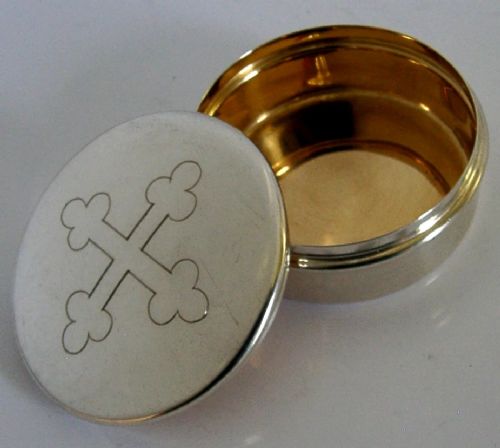
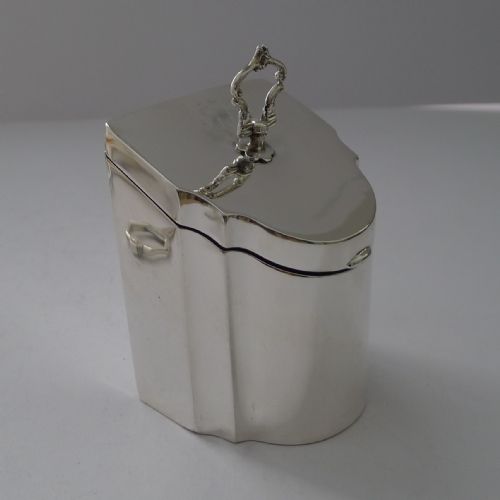
The pieces on this page originate primarily from the Victorian, Edwardian and Art Deco eras, alongside select Regency and mid-century examples. Forms range from utilitarian knife box tea caddies to novelty paint tins and ecclesiastical pyx wafer boxes.
Domestic vessels from these periods reflect shifting social habits, particularly the rise of formal tea service and the storage of luxury provisions. A buyer finds both plain functional receptacles and ornate decorative pieces intended for prominent display in the home.
Materials and construction
Makers formed these containers principally from sterling silver and silver plate, frequently combining metal bodies with cut glass, ceramic or wood elements. Gold gilding often appears on the interior surfaces of boxes intended for dry goods or tobacco to prevent corrosion.
Silversmiths employed techniques such as piercing, stamping and hand-raising to shape the metal, while glasscutters produced heavy faceted containers fitted with silver mounts. Novelty items utilise clever mechanical engineering to mimic everyday objects like paint tins or shoes.
English Silver Container Retail Price Guide 2026
Typical asking prices for english silver container among the pieces listed under this phrase on Sellingantiques today, from the lower quarter to the upper quarter. They describe what is for sale here now, not the wider market.
Listings feature containers spanning from the Regency period through the mid-twentieth century, utilising sterling silver, silver plate, cut glass and ceramic.
Assessing quality in silver containers
Quality rests upon the weight of the metal, the crispness of chased or pierced ornamentation, and the structural integrity of hinges and locking mechanisms. Superior pieces maintain tight lids and heavy gauge silver that resists denting during everyday handling.
The reputation of the silversmith workshop significantly influences distinction, with pieces bearing marks from notable makers exhibiting finer finishing details. Furthermore, the integration of secondary materials like pristine cut crystal or intact ceramic bodies elevates the overall caliber of the vessel.
Mappin and Webb·Paul Storr·Walker and Hall·Asprey and Co·Atkin Brothers·James Dixon and Sons·Ernest Druiff and Co·Goldsmiths and Silversmiths Co
The English Silver Container Glossary
- Tea Caddy
- A small container designed to store tea leaves securely. These vessels often feature fitted inner lids and lockable hinged covers.
- Biscuit Barrel
- A large cylindrical jar used for storing biscuits on the dining table. They frequently pair silver plated mounts with ceramic or cut glass bodies.
- Pyx
- A small round container used in religious contexts to hold consecrated wafers. Examples in this category exhibit solid sterling silver construction.
- Snuff Box
- A pocket-sized container meant for holding powdered tobacco. They rely on tightly sealed hinges to keep the contents dry.
- Sterling Silver
- An alloy consisting of pure silver and other metals to increase durability. British pieces typically display hallmark stamps confirming this standard.
English Silver Container: Frequently Asked Questions
How were tea caddies used?
Tea caddies served to store precious tea leaves securely under lock and key in the Victorian and Edwardian household. Tea was an expensive commodity, so the mistress of the house kept the key to control access.
Most caddies feature tight-fitting inner lids to preserve the aroma and dryness of the leaves before they reached the teapot.
What is a biscuit barrel?
A biscuit barrel is a specialised container designed to keep biscuits crisp and serve them elegantly during parlor gatherings. They gained immense popularity during the Victorian period as dining rituals expanded.
These vessels generally combine a ceramic or cut glass body with a silver plated mount, handle and hinged lid.
How do I date these silver items?
British silver typically bears a series of hallmarks that reveal the assay office, the year of manufacture and the maker's mark. Comparing these stamped letters against standard registers provides a precise production date.
Stylistic cues such as Neoclassical details or geometric Art Deco lines also help narrow down the period of creation.
Can I use a snuff box today?
A historical snuff box functions well today for storing small items like pills, stamps or modern mints. Their secure hinged lids protect pocket contents efficiently.
Care should be taken to clean the interior gently, especially if gold gilding is present on the metal.