





English School Horse Painting
An english school horse painting captures the spirit of traditional equestrian life through periods ranging from seventeenth century baroque to twentieth century realism.
English School Horse Painting
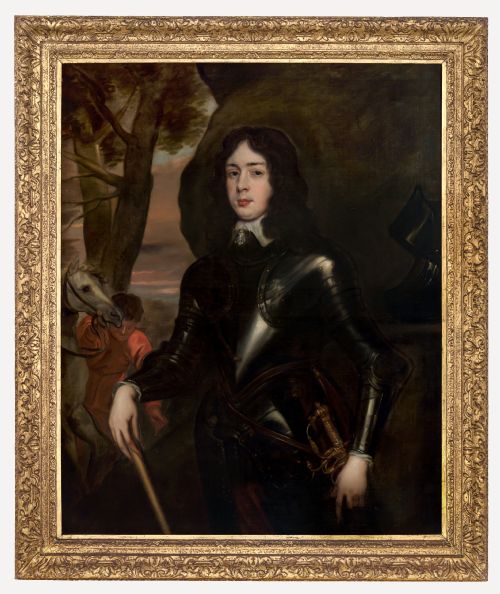
An english school horse painting depicts equines in various settings, from sporting portraits in stables to military scenes with officers and chargers. These works emerge from distinct historical periods including the seventeenth century, the regency era, and the nineteenth century.
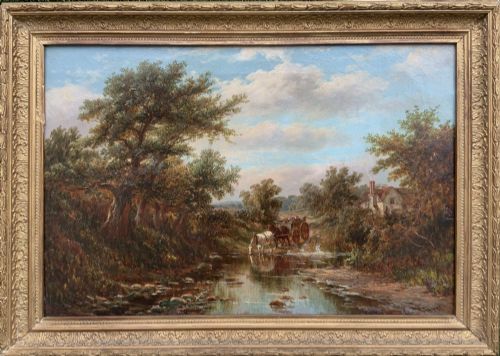
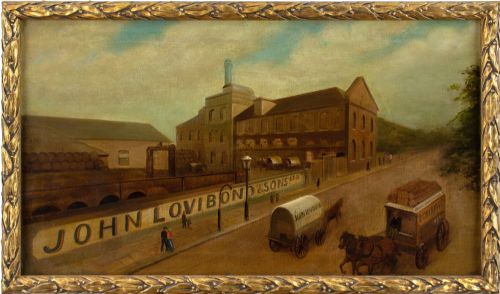
Buyers encounter oil paintings on canvas and watercolours on paper reflecting styles such as victorian realism and traditional british school. The subjects range from working logging carts and rural scenes to steeplechase races and individual horse portraits.
The assortment on this page spans canvases housed in giltwood frames and delicate works on paper. Each piece represents the enduring focus of british artists on equine subjects across centuries of artistic tradition.
Materials and technique
Artists utilise oil paint on canvas to build rich textures and deep tones, particularly visible in seventeenth century baroque works and victorian sporting art. Watercolours on paper offer a lighter, more immediate medium for rural scenes and topographical views.
Framing forms an integral part of the presentation, with giltwood frames frequently accompanying nineteenth century oil paintings. The combination of prepared canvas, ground pigments, and protective frames ensures the physical longevity of these works.
English School Horse Painting Retail Price Guide 2026
Typical asking prices for english school horse painting among the pieces listed under this phrase on Sellingantiques today, from the lower quarter to the upper quarter. They describe what is for sale here now, not the wider market.
Some horses on this page are immortalised alongside their grooms, ensuring the hired help shares the canvas glory.
Markers of quality
The capability of the hand behind the brush dictates the vitality of the animal's form and the depth of the landscape background. Finer works display precise anatomical understanding and confident handling of light upon coat and leather.
Condition of the canvas and pigment stability influence the visual impact of the piece over time. Original framing materials and well preserved paint surfaces contribute to the integrity of an antique painting.
Thomas Thomas·C R Breytle·Clifton Tomson·Will Anderson·Herbert Royle·Frank Saltfleet·John Ferneley Jnr·Thomas Rowlandson
The English School Horse Painting Glossary
- English school
- A term designating artists trained or working within the british artistic tradition, regardless of their individual origins. It encompasses centuries of stylistic development from portraiture to sporting art.
- Giltwood
- Timber carved and coated with gold leaf or a gold coloured finish. It provides a traditional decorative border for oil paintings.
- Sporting art
- A genre of painting dedicated to horses, hounds, shooting, and rural sports. It flourished particularly during the eighteenth and nineteenth centuries.
- Oil on canvas
- Pigments bound in a drying oil medium applied to a woven fabric support. This technique allows for rich blending and textured brushwork.
English School Horse Painting: Frequently Asked Questions
What periods do these paintings come from?
The works span from the seventeenth century through the regency and victorian eras up to the early twentieth century. Each period brings distinct clothing, framing styles, and artistic conventions to the equestrian subject.
Buyers will find seventeenth century baroque pieces alongside nineteenth century sporting art and early twentieth century watercolours.
How should I care for an oil painting?
Keep paintings away from direct sunlight and fluctuating humidity to protect the canvas and paint layers. Dust gently with a soft, dry brush without applying pressure to the surface.
Avoid using water or chemical cleaners on either the canvas or the antique frame.
What is the difference between oil and watercolour?
Oil paintings utilise pigment suspended in drying oil on canvas, offering rich colour depth and a heavier texture. Watercolours use water soluble pigments on paper, creating a more translucent and fluid effect.
Oils are typically displayed in heavy frames without glass, while watercolours require glass protection.
How do I identify a sporting horse portrait?
These works focus intently on the animal, often depicting a specific horse in a stable yard, paddock, or landscape setting. They frequently include grooms, owners, or architectural backgrounds specific to rural estates.
The composition prioritises the conformation and character of the horse over general landscape scenery.