
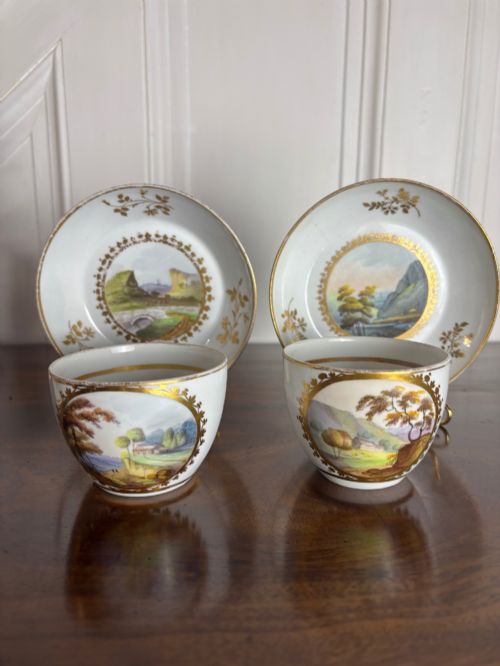


English Porcelain Tea Cup
An english porcelain tea cup carries the weight of centuries past, offering a tangible connection to early morning rituals and formal afternoon gatherings.
English Porcelain Tea Cup
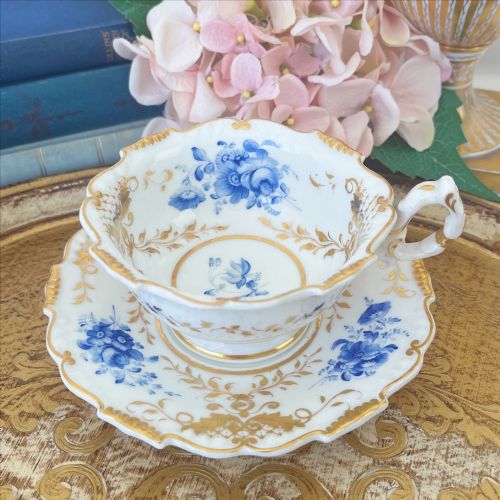
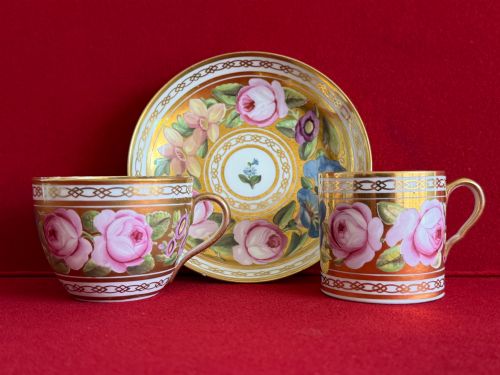
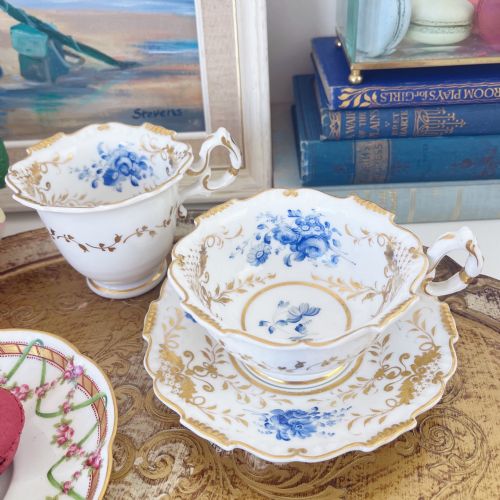
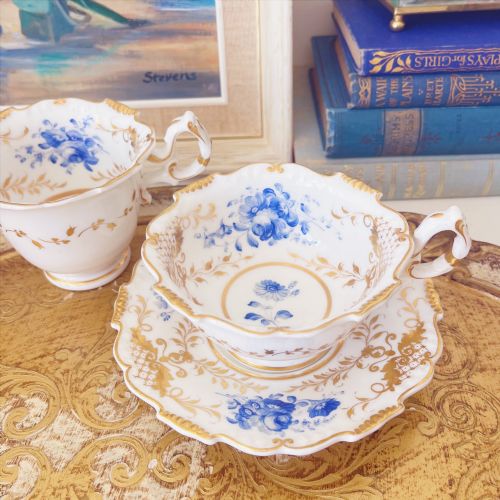
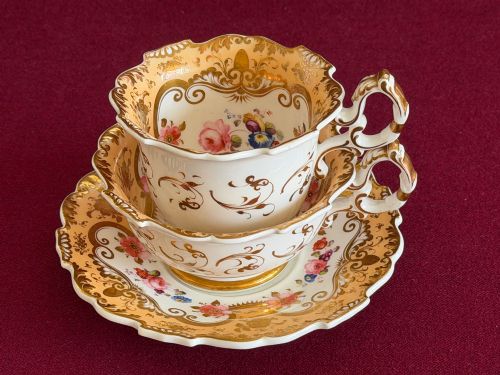
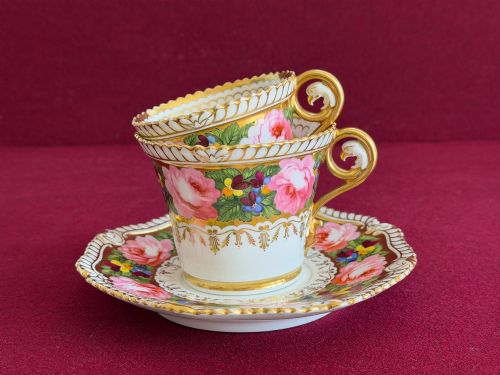
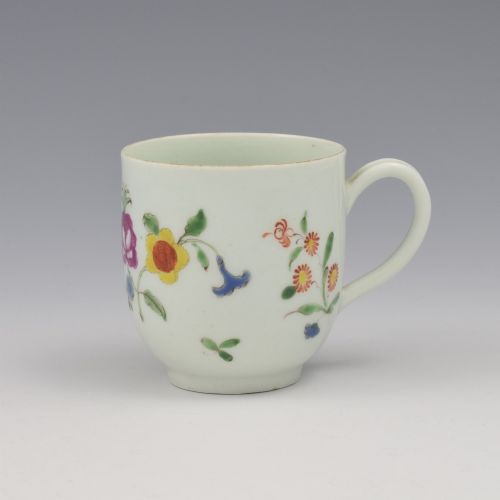
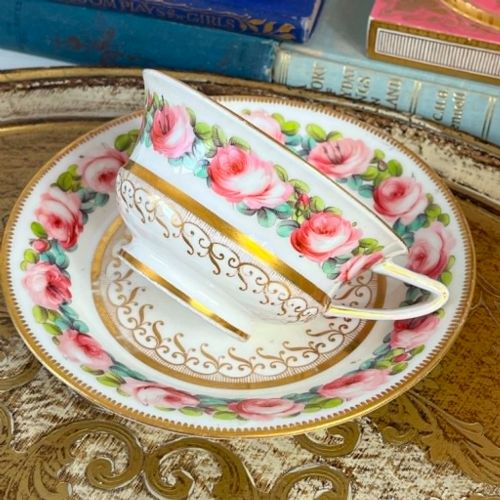
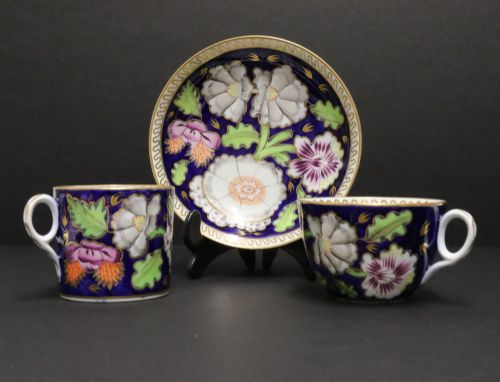
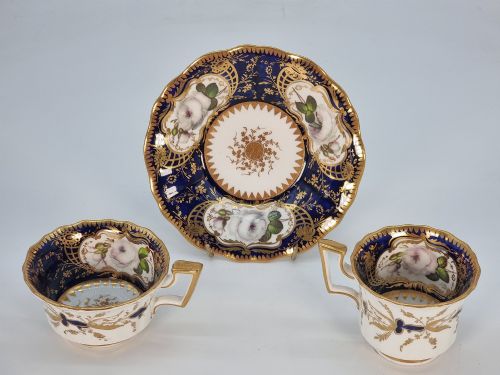
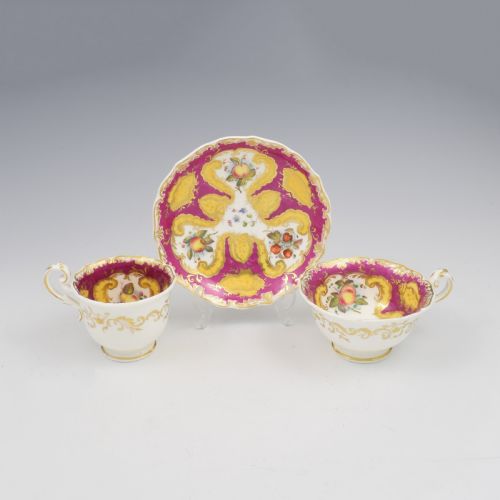
The versions most frequently met on this page date from the Georgian and Regency periods, featuring handpainted floral sprays, birds, and landscape scenes. Surviving examples often include matching saucers or complete trios that incorporate a coffee cup alongside the tea vessel.
Materials and Construction
Potters utilised both soft-paste porcelain and bone china, shaping the clay into delicate tea bowls and handled cups before firing. The surfaces received handpainted enamel decorations, often enhanced with gold leaf, gilding, or elaborate gilt borders.
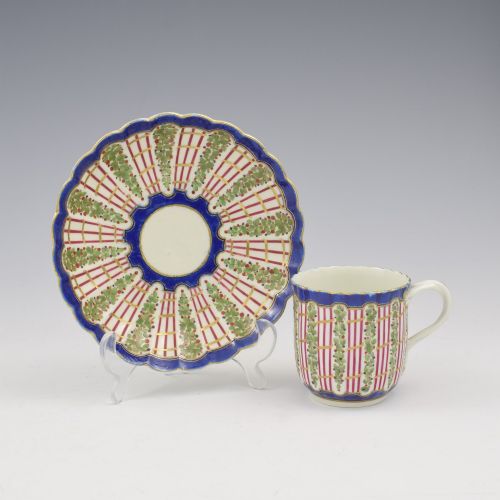
Factories applied transfer printing and delicate hand-brushing techniques to achieve patterns such as bat wing designs, hop trellis motifs, and Japanese-inspired Kakiemon palettes. Firing in kilns set the underglaze blue scales and vibrant polychrome enamels permanently into the glaze.
Early nineteenth-century painters immortalised surprisingly fierce tigers and plump cabbage roses on these delicate morning vessels.
Distinctions in Execution
The upper tier of these vessels displays precision in handpainted detail, particularly in intricate depictions of birds, landscapes, and botanical studies by named decorators. Finer pieces demonstrate superior translucency in the porcelain body and expertly applied heavy gilding that remains crisp and bright.
Lesser examples show simpler transfer-printed outlines with minimal hand-colouring and standard factory patterns produced in larger volumes. The refinement of the clay body, the weight of the gold leaf, and the artistry of the brushwork separate standard utilitarian wares from cabinet-grade pieces.
H & R Daniel·Chamberlain Worcester·Richard Chaffers·Coalport·Newhall·Minton·Davenport·Flight Barr And Barr·Spode
The English Porcelain Tea Cup Glossary
- Trio
- A matching set comprising a teacup, a coffee cup, and a saucer. This grouping reflects nineteenth-century dining habits where different vessels served distinct morning beverages.
- Tea Bowl
- A handleless drinking vessel derived from Chinese prototypes. These small bowls were standard during the eighteenth century before handles became common.
- Soft-Paste Porcelain
- An artificial porcelain composition fired at lower temperatures than hard paste. It produces a warm, creamy body with a distinctive translucent quality.
- Gilding
- The application of gold leaf or powdered gold to the rims, handles, and borders of the ceramic. This decorative finish elevates the visual richness of the piece.
- Kakiemon
- A style of Japanese enamelling adopted by English factories featuring asymmetrical floral and animal motifs. The palette typically includes iron red, yellow, green, and blue.
English Porcelain Tea Cup: Frequently Asked Questions
What is the difference between a tea bowl and a teacup?
Tea bowls lack handles and follow eighteenth-century forms derived from Asian imports, requiring the drinker to cradle the vessel with both hands.
Teacups feature applied handles for easier gripping, a development that gained popularity as social tea drinking evolved into a more formal European custom.
How do I identify a Regency period cup?
Regency pieces often display distinct neoclassical shapes, bright enamel palettes, and generous applications of burnished gold leaf. The forms tend to be more robust than delicate eighteenth-century tea bowls.
Makers from this era frequently marked their wares with pattern numbers or factory ciphers on the underside of the porcelain.
Can I use antique tea cups daily?
These fragile historical objects require careful handling and hand washing to preserve their delicate enamels and gold leaf decorations. Thermal shock from boiling water can crack aged soft-paste porcelain.
Most collectors prefer to display cabinet trios or reserve them for occasional gentle use rather than regular morning routines.
What does a cabinet trio mean?
A cabinet trio refers to a matched set of three pieces intended for display in a glass-fronted cabinet rather than everyday service. These sets usually showcase exceptional painting and heavy gilding.
They typically include a teacup, coffee cup, and matching saucer preserved in pristine condition without wear from use.