





English Oak Candle Stands
English oak candle stands bring warmth and honest construction to any room, offering versatile surfaces and pillar supports rooted in centuries of craftsmanship.
English Oak Candle Stands
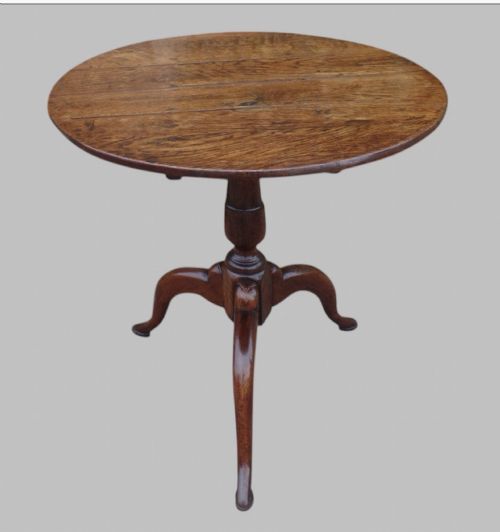
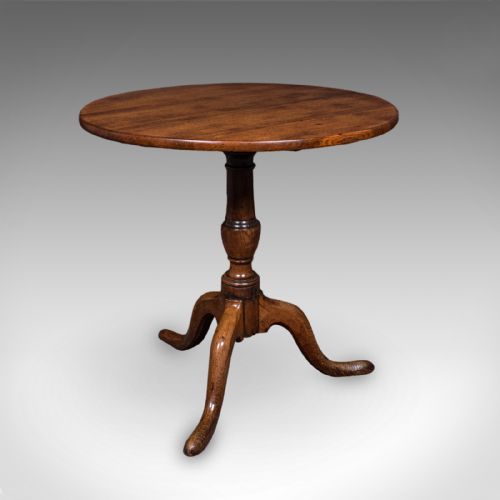
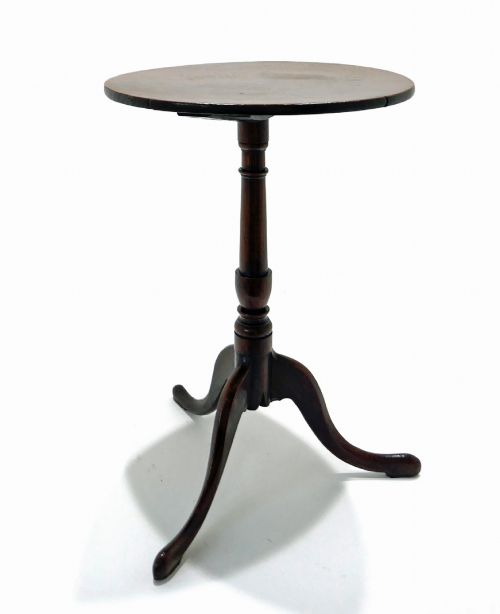
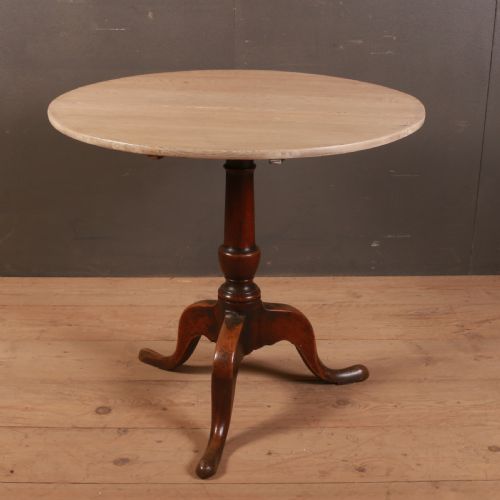
English oak candle stands encompass small occasional tables, tripod tables, and turned candlesticks originating from the eighteenth century through to the Edwardian period. Buyers encounter Georgian tripod designs alongside later Victorian and Edwardian interpretations built with sturdy timber.
The primary forms found here include tilt-top tables and slender column supports, often accompanied by secondary woods such as beech, satinwood, and yew. These pieces function historically as portable lighting supports and compact occasional tables for domestic interiors.
Materials and construction
Cabinetmakers utilised solid oak alongside contrasting timbers like yew wood, burr oak, and satinwood to construct these stands, employing turned central columns and tripod legs. Beech frequently provided a secondary timber for structural components, while brass hardware appeared on specific candlesticks.
Joinery methods relied on traditional turning, pegged joints, and tilt-top mechanisms that allowed tables to stow against walls when not in use. Surfaces display the natural grain of the wood, enhanced through historical polishing techniques rather than heavy veneers.
English Oak Candle Stands Retail Price Guide 2026
Typical asking prices for english oak candle stands among the pieces listed under this phrase on Sellingantiques today, from the lower quarter to the upper quarter. They describe what is for sale here now, not the wider market.
The listings here span the eighteenth century, Georgian period, Regency era, and the late Victorian up to Edwardian years.
Judging quality
Quality rests upon the crispness of the turning on the central column and the stability of the tripod base assembly. Pieces exhibiting balanced proportions between the top and the supporting legs demonstrate superior regional cabinetmaking.
The integration of decorative details, such as barley twist turnings or contrasting wood inlays like satinwood and burr oak, distinguishes finer examples from utilitarian pieces. Original surfaces with rich patination hold greater appeal than stripped or heavily restored timber.
Gillows
The English Oak Candle Stands Glossary
- Tripod table
- A small freestanding table supported by a pillar above three legs. This form gained popularity during the Georgian era for tea service and portable lighting.
- Tilt-top
- A hinged table top that pivots to a vertical position. This mechanism enabled convenient storage against a wall when the stand was idle.
- Barley twist
- A spiral turning resembling a twisted rope. Cabinetmakers utilised this decorative technique on table stems and candlesticks during revival periods.
- Occasional table
- A small movable table designed for a specific, transient use in a room. These versatile pieces function beside seating or as lamp stands.
English Oak Candle Stands: Frequently Asked Questions
What are English oak candle stands?
These items are small antique tables and candlesticks constructed primarily from oak, featuring turned columns and tripod bases dating from the eighteenth to the early twentieth century.
They served historical domestic roles holding illumination or serving as compact tea and wine tables within Georgian and Victorian homes.
How were these stands used historically?
Occupants placed them near seating areas to support candles, lamps, or small vessels, moving them easily around the room as needed.
Tilt-top variants allowed households to clear floor space quickly by tipping the surface upright against the wall when illumination was no longer required.
How do I distinguish Georgian from later styles?
Georgian examples showcase restrained proportions, hand-turned pillars, and structural joinery typical of eighteenth-century country workshops. Later nineteenth-century and Edwardian pieces often incorporate revival elements like heavy twist turnings or stylistic nods to earlier eras.
Examining the underside, timber shrinkage, and tool marks helps determine the actual period of construction.
How do I live with antique oak stands?
Keep them away from direct heat sources and strong sunlight to prevent the solid oak and secondary timbers like yew or satinwood from splitting or fading.
Wax polish applied sparingly maintains the surface sheen and nourishes the historic grain without building up heavy chemical residues.