




English Marquetry Stand
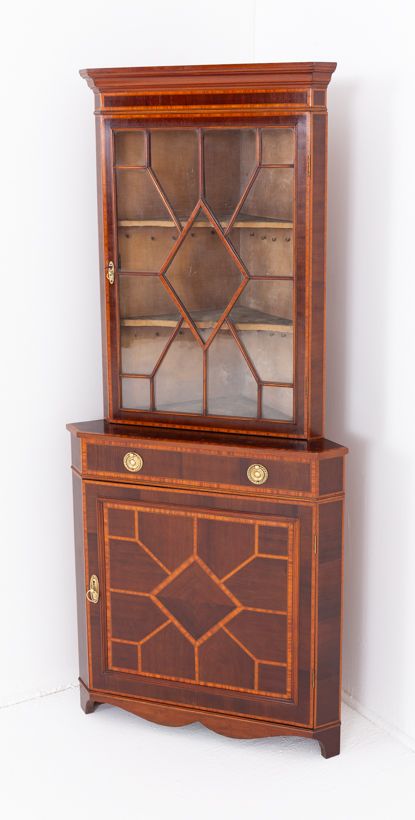
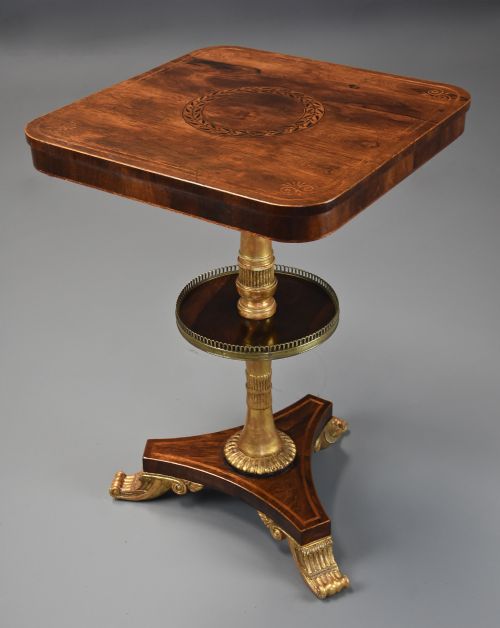
These pieces known as an english marquetry stand encompass intricate patterned tables, cabinets, and clock cases built to display craft and hold prized possessions.
English Marquetry Stand
An english marquetry stand brings together forms ranging from occasional tables and wine tables to elaborate chests and cabinets raised on legs. These items combine patterned floral or geometric veneers with structural timber frames designed for display and utility in formal rooms.
The evidence shows examples spanning from the seventeenth century through to the nineteenth century, including William and Mary, Queen Anne, and Victorian revivals. Buyers encounter walnut, mahogany, rosewood, and olive wood structures finished with intricate surface patterns.
While the search points towards a standalone stand, listings include related formats such as occasional tables, wine tables, and chests on stands. Each piece relies on veneered surface decoration to create visual impact within domestic interiors.
Materials and construction methods
Maker workshops built these pieces using primary timbers such as walnut, mahogany, and rosewood, often applying oyster veneers or contrasting woods like satinwood. Artisans cut thin sections of various timbers to assemble elaborate floral or geometric marquetry panels set into the main carcase.
Constructors integrated secondary elements including brass mounts, tortoiseshell, and giltwood details to enhance the decorative scheme. Fine joinery techniques secured the veneered surfaces to solid carcases, preventing movement in the timber over centuries of use.
English Marquetry Stand Retail Price Guide 2026
Typical asking prices for english marquetry stand among the pieces listed under this phrase on Sellingantiques today, from the lower quarter to the upper quarter. They describe what is for sale here now, not the wider market.
The listings combine seventeenth-century walnut and olive wood pieces with nineteenth-century rosewood, mahogany, and satinwood items.
Distinctions in craftsmanship
The refinement of the marquetry cutting and the choice of contrasting veneers define the upper tier of these pieces. Tighter joints between the individual veneer pieces and richer grain patterns in the walnut or olive wood separate superior examples from standard production.
Proportion and the preservation of original surfaces dictate value among surviving items. Pieces retaining their early patination and untouched brass or timber components demonstrate greater integrity than those with extensive later repairs.
George Bullock·Henry Massy·Nathaniel Pyne·Edward East·Peter Wise·Richard Baker
The English Marquetry Stand Glossary
- Marquetry
- The art of forming decorative patterns by fitting together thin slices of wood, shell, or ivory onto a structural surface. This technique creates detailed pictorial or geometric designs across tabletops and cabinet fronts.
- Oyster veneer
- Circular slices cut across small branches or roots of timber, producing an arrangement resembling oyster shells. This method was favoured during the late seventeenth century on walnut and olive wood furniture.
- Sheraton Revival
- A late nineteenth-century design movement inspired by the neoclassical furniture of George Sheraton. Pieces from this period frequently utilise satinwood inlay and mahogany frames.
- Tunbridge Ware
- A form of decorative woodwork produced in Kent featuring intricate mosaic patterns made from tiny wood blocks. Items such as book-slides utilise thousands of variously coloured timber segments to form geometric or pictorial scenes.
English Marquetry Stand: Frequently Asked Questions
What defines an english marquetry stand?
An english marquetry stand comprises furniture featuring intricate wood-inlaid patterns designed for display and everyday use. These items include tables, cabinets, and elevated chests.
Craftsmen utilised contrasting timbers such as walnut, satinwood, and mahogany to create detailed floral and geometric surface designs across multiple centuries.
How do I care for antique marquetry furniture?
Keep these pieces away from direct sunlight and steady heat sources to prevent the delicate wood veneers from drying out and lifting. Maintain a stable indoor environment.
Apply traditional wax polish sparingly to nourish the timber surface and preserve the historic patination without damaging the inlaid sections.
What periods do these pieces represent?
The listings span from the late seventeenth century through the Victorian era and the subsequent revival periods. Early examples show William and Mary or Queen Anne influences.
Later pieces from the nineteenth century often reinterpret earlier styles using rosewood, mahogany, and elaborate brass or tortoiseshell details.
How were oyster veneers made?
Artisans sliced small branches transversely to produce small, circular sections with concentric growth rings. These segments were laid closely together across the furniture carcase.
This technique created a distinctive mottled surface texture particularly popular on walnut and olive wood pieces from the seventeen-hundreds.