



English Majolica Ceramics
English majolica ceramics bring rich lead glazes and vibrant Victorian naturalism into any room.
English Majolica Ceramics
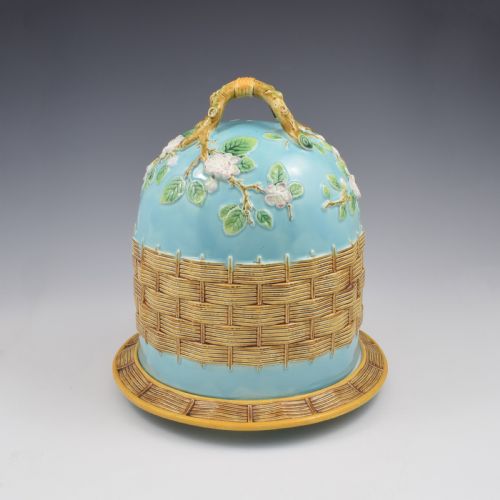
English majolica ceramics encompass moulded earthenware pieces finished with coloured lead glazes, spanning the nineteenth century alongside earlier examples. When searching for english majolica ceramics, collectors encounter practical domestic items and display pieces ranging from cheese domes to jardinieres.
The Victorian period dominates these examples, bringing naturalistic forms like apple blossoms, begonia leaves, and fern rockwork to life. Alongside these Victorian pieces, rarer 18th century delft plates emerge, showing the earlier tin glaze tradition.
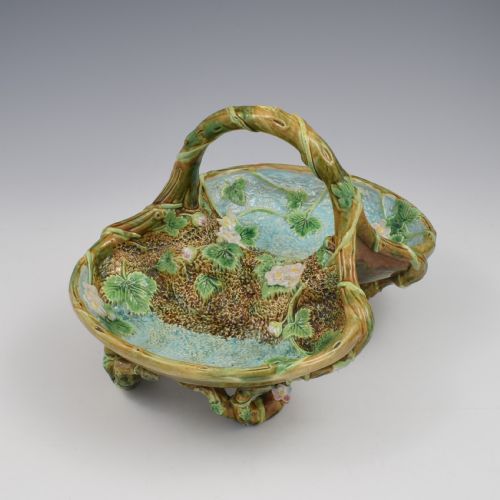
Forms vary from large cheese bell stands and comports to decorative jugs and ceramic baskets. Victorian majolica and Edwardian variations display distinctive moulded relief, connecting functional tableware with ornamental sculpture.
Materials and Manufacture
These pieces rely on earthenware bodies formed through moulding to achieve complex naturalistic shapes such as leaves, baskets, and figurative supports. Potters then applied coloured lead glazes directly to the clay, creating vibrant surfaces that pooled in the recesses of the relief moulding.
Techniques evolved from the tin glaze methods seen in earlier 18th century delftware to the rich lead glazes characteristic of Victorian majolica. Firing fixed the metallic oxide colours into the glossy surface, producing the characteristic sheen associated with the form.
English Majolica Ceramics Retail Price Guide 2026
Typical asking prices for english majolica ceramics among the pieces listed under this phrase on Sellingantiques today, from the lower quarter to the upper quarter. They describe what is for sale here now, not the wider market.
Victorian diners trusted elaborate ceramic bell stands to keep their cheddar decent and their dining room conversation firmly rooted in foliage.
Assessing Quality
Quality rests in the crispness of the moulded detail and the control of the coloured lead glazes across high-relief surfaces. Superior pieces maintain sharp botanical or figuative definition without glaze pooling obscuring the underlying modelling.
The ambition of the form distinguishes the range, moving from simple decorative plates to large, sculptural cheese domes and multi-figure compotes. Maker attribution also shapes distinction, with works associated with notable potteries displaying superior technical execution in both body and glaze.
George Jones·Royal Worcester·Minton
The English Majolica Ceramics Glossary
- Majolica
- A type of earthenware decorated with coloured lead glazes over an opaque white or directly onto the clay body, popular during the Victorian era for its vibrant hues.
- Lead Glaze
- A glossy transparent or translucent coating containing lead oxide, used to seal earthenware and enrich the underlying colours with a bright sheen.
- Tin Glaze
- An opaque white glaze containing tin oxide, typical of earlier delftware pieces before the widespread adoption of Victorian lead glazes.
- Jardiniere
- A large ornamental pot or stand designed to hold growing plants, frequently modelled with naturalistic rockwork or floral relief in Victorian ceramics.
- Comport
- A raised pedestal bowl used for serving fruit or sweetmeats, often featuring elaborate figural or botanical supports.
English Majolica Ceramics: Frequently Asked Questions
What are English majolica ceramics?
English majolica ceramics are moulded earthenware pieces finished with colourful lead glazes, most notably produced during the Victorian period. They combine utility with vibrant naturalistic decoration.
Collectors find everything from large cheese domes and compotes to decorative jardinieres and jugs within this tradition.
How were majolica cheese domes used?
Cheese domes served on Victorian dining tables to keep large cheeses fresh while displaying the status and taste of the household. The matching stand caught crumbs and protected the table.
These pieces combined practical function with sculptural apple blossom or floral modelling designed to impress guests.
How do I identify Victorian majolica?
Victorian majolica is characterised by moulded earthenware covered in bright lead glazes, often featuring natural motifs like leaves, ferns, and fruit. The style emerged strongly in the mid to late nineteenth century.
Pieces often display high-relief modelling and rich green, brown, and pink colour palettes typical of the period.
Are all majolica pieces from the 19th century?
While the vast majority of majolica dates to the Victorian era, the wider category includes earlier tin-glazed items such as 18th century delft plates. The materials and glazing techniques shift between these periods.
Checking the underlying body and glaze type helps separate the earlier tin-glazed wares from Victorian lead-glazed ceramics.