



English Mahogany Lamp Stand
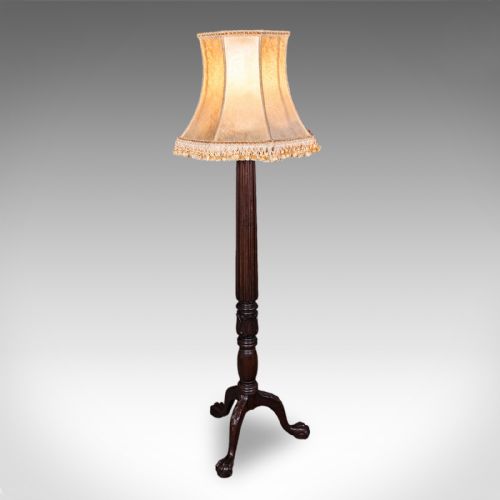
An English mahogany lamp stand brings classical proportion and warm timber grain directly beside a favourite armchair.
English Mahogany Lamp Stand
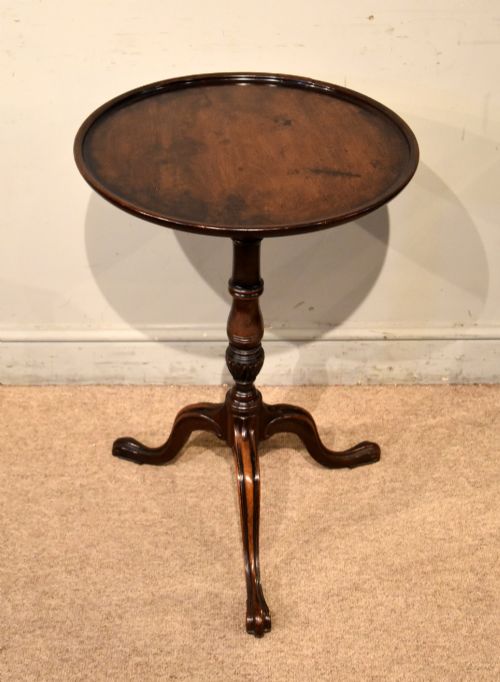
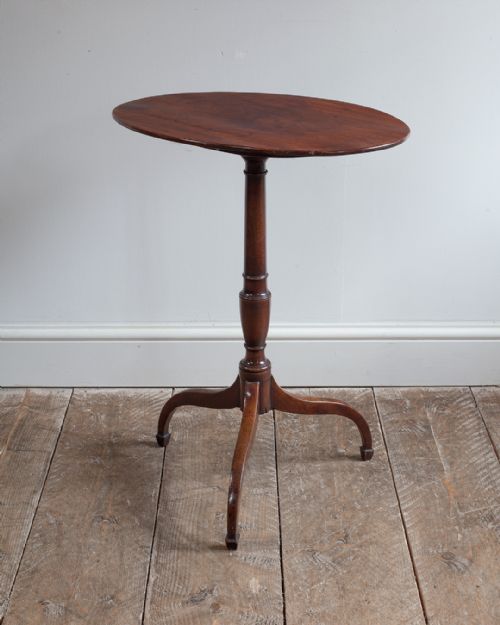
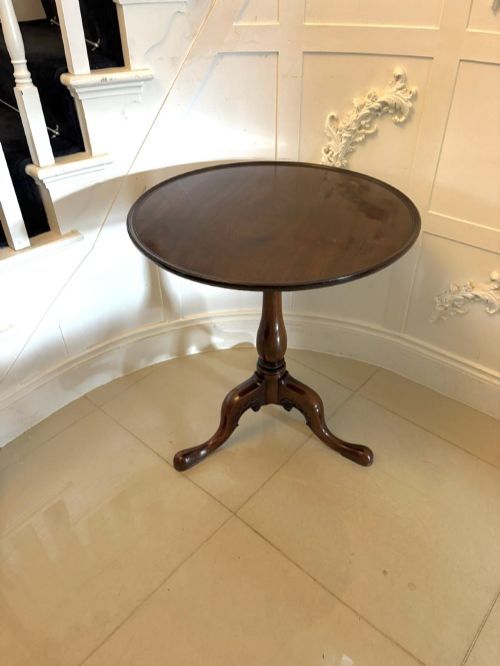
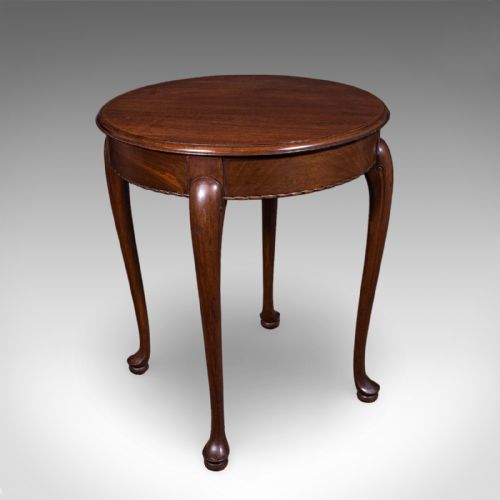
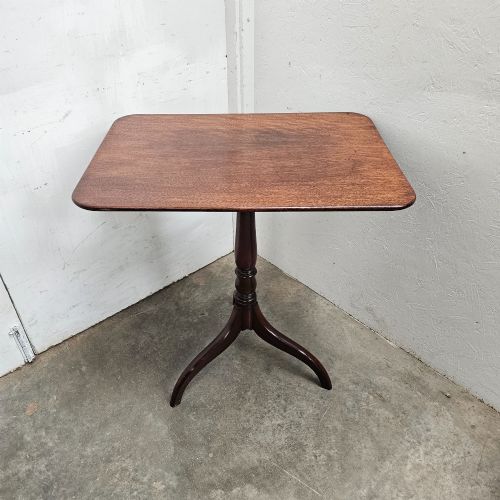
The search for an English mahogany lamp stand reveals a diverse group of small tables and torchere bases spanning the Georgian, Regency, and Victorian periods. Buyers encounter forms ranging from simple tripod wine tables and bedside cupboards to slender torchere stands originally designed for plant pots or lamps.
Most examples found on this page date from the nineteenth century, including specific expressions of William IV and Edwardian taste. These pieces serve readily today as occasional surfaces for illumination or afternoon tea alongside larger seating furniture.
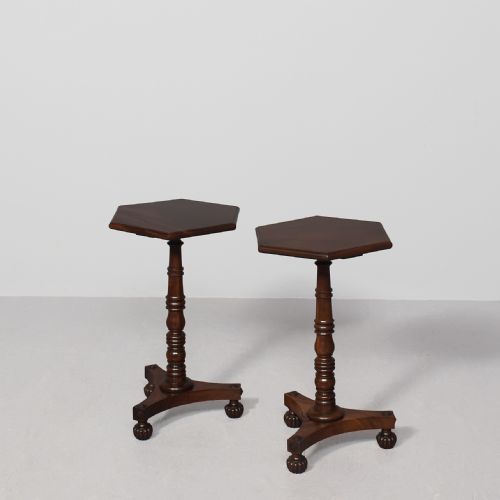
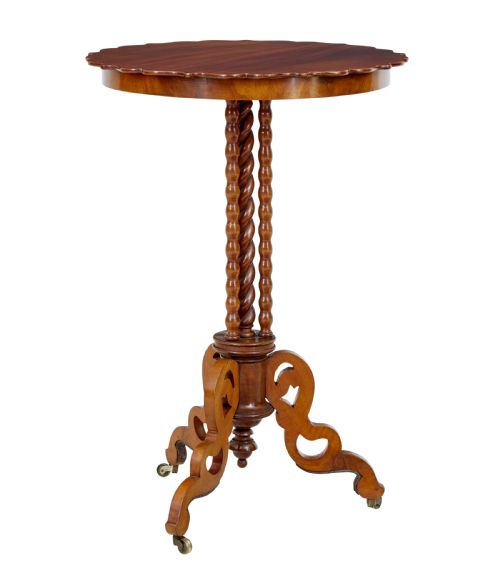
The material vocabulary stretches beyond standard timber to include satinwood, burr oak, yew wood, and marble inserts. Form follows function through tilt-top mechanisms, octagonal surfaces, and bobbin-turned supports.
Construction and Materials
Cabinet makers utilised solid mahogany alongside flame veneers to build durable circular and octagonal tops supported by central pedestals or three-legged tripod bases.
Secondary elements incorporate brass fittings, marble surfaces, and contrasting timbers such as satinwood, burr oak, and yew wood to provide decorative detail on specific occasional tables.
Turned woodwork, including bobbin-turning and pedestal columns, provides structural stability while maintaining the slender profile required for floor lamps and torchere stands.
English Mahogany Lamp Stand Retail Price Guide 2026
Typical asking prices for english mahogany lamp stand among the pieces listed under this phrase on Sellingantiques today, from the lower quarter to the upper quarter. They describe what is for sale here now, not the wider market.
Tilt-top tables were often pivoted upright and tucked flat against parlour walls to reclaim valuable floor space when tea was finished.
Assessing Quality
Quality rests in the selection of timber figures, where rich flame mahogany grain and well-matched secondary woods elevate a standard occasional table into a superior piece.
Joinery execution on tripod bases and tilt-top mechanisms defines the structural integrity, distinguishing finely turned pedestals from simpler production methods.
Waring and Gillow
The English Mahogany Lamp Stand Glossary
- Tripod Table
- A small occasional table supported by three legs radiating from a central pillar. This form provides stable placement on uneven historic floorboards.
- Torchere
- A tall, slender stand designed to hold a light source or a plant. These pieces feature elevated platforms suited to corners and narrow spaces.
- Tilt-Top
- A table mechanism allowing the surface to pivot to a vertical position when not in use. This clever design enabled easy storage against room walls.
- Flame Mahogany
- Timber cut to reveal a distinctive flickering flame pattern within the grain. Cabinet makers reserved this highly decorative veneer for prominent surfaces.
- Pedestal
- A central column supporting a table top, often rising from downswept legs. It maximises legroom beneath small occasional tables.
English Mahogany Lamp Stand: Frequently Asked Questions
How were these stands used originally?
Historically, these stands served multiple domestic duties such as holding wine glasses, teacups, or supporting candle lamps. Taller torchere versions displayed decorative plant pots or oil lamps in principal rooms.
Their portable nature allowed servants to move them about the house according to daily household requirements.
How do I date a mahogany lamp stand?
Dating relies upon observing the prevailing style, construction methods, and turning details evident in the pedestal or legs. Georgian and Regency pieces exhibit restrained classical lines, whereas Victorian examples often show heavier proportions or revival detailing.
Secondary timbers and hardware fittings further clarify the period of manufacture.
Can I use a torchere as a lamp stand?
Torcheres make excellent stands for modern table lamps or reading lights due to their elevated platform design. Their slender vertical footprint suits tight corners beside armchairs or sofas.
Care should be taken to balance the weight of the lamp with the stability of the historical base.
How do I care for antique mahogany furniture?
Maintain antique mahogany surfaces by dusting gently with a dry cloth and avoiding placement near direct heat sources or strong sunlight. Periodic application of quality beeswax preserves the natural lustre of the timber grain.
Protect the top from moisture by using coasters beneath drinks and lamps.