




English Hall Stand
An english hall stand welcomes visitors with practical utility and strong architectural presence, offering a purposeful place for wet umbrellas, coats, and hats.
English Hall Stand
An english hall stand combines furniture and entryway organisation, designed to manage outdoor garments and walking sticks upon entering the house.
The pieces appearing on this page span Victorian and Edwardian eras alongside earlier Georgian influences, reflecting domestic needs across the nineteenth and twentieth centuries.
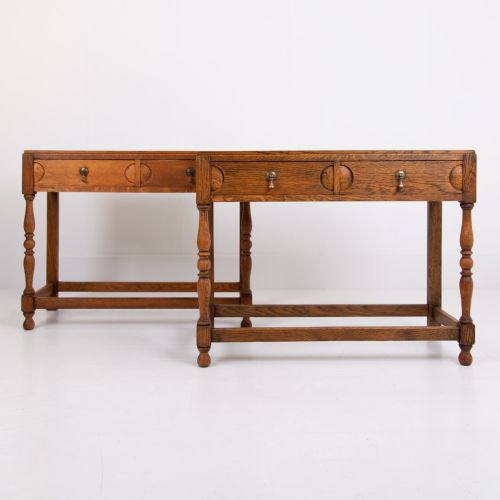
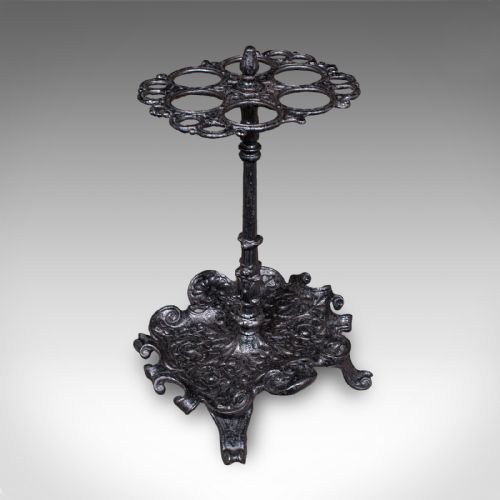
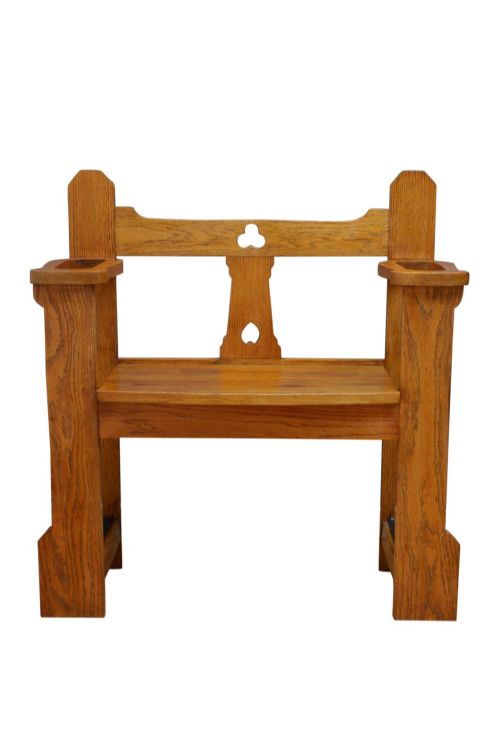
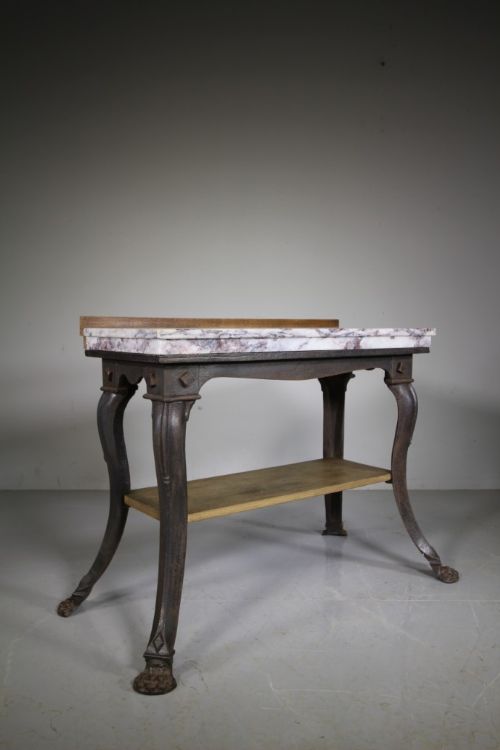
Forms range from cast iron stick loops and tall umbrella racks to oak benches and carved coat stands intended for the reception hallway.
How They Were Made
Maker construction relies heavily on durable timbers such as oak, mahogany, and walnut, providing structural integrity for daily household use.
Metal elements including cast iron, brass, and copper appear frequently in drip pans, coat hooks, and umbrella loops.
Surface treatments involve carved details, painted wood finishes, and integrated marble tops designed to resist moisture from wet outdoor gear.
English Hall Stand Retail Price Guide 2026
Typical asking prices for english hall stand among the pieces listed under this phrase on Sellingantiques today, from the lower quarter to the upper quarter. They describe what is for sale here now, not the wider market.
Materials span oak, mahogany, walnut, cast iron, brass, copper, and marble across Victorian, Edwardian, and Georgian periods.
What Varies in Quality
Construction heft distinguishes robust functional pieces from lighter decorative examples, visible in the thickness of the timber and the weight of the cast iron.
Design complexity marks the distinction between standard utilitarian hallway furniture and sophisticated items featuring intricate carving, applied brass work, or copper drip trays.
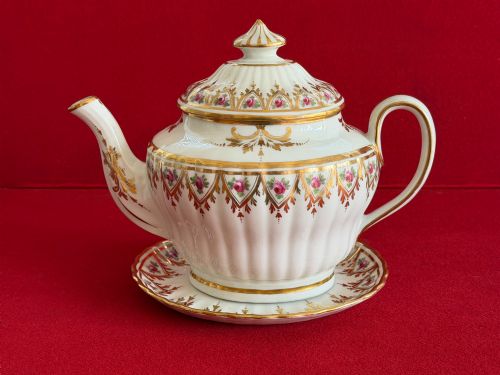
John Wylde·Dwerrihouse And Carter·Edward Glase·Herbert Of Haversham·Elliott·New Hall Porcelain·Walker And Hall
The English Hall Stand Glossary
- Stick Loop
- A metal or timber divider designed to keep walking umbrellas and canes upright and separated within the stand.
- Cast Iron
- A sturdy metal alloy shaped through casting, commonly utilised for heavy umbrella stands and durable coat hooks.
- Arts and Crafts
- A design movement prioritising handcraftsmanship and simple functional forms, often expressed in plain oak.
- Drip Tray
- A removable metal basin placed at the base of a stand to catch water from wet umbrellas.
English Hall Stand: Frequently Asked Questions
Where should an english hall stand go?
These pieces belong immediately inside the primary entrance of a home, where coats and umbrellas are discarded upon arrival.
Positioning the stand against a solid wall allows the piece to anchor the hallway space while remaining within easy reach.
How do I care for timber stands?
Wood surfaces benefit from occasional application of suitable wax to nourish the grain and protect against minor scuffs.
Keeping metal drip pans dry prevents moisture accumulation from damaging the surrounding floor or base timbers.
What periods are common here?
The selection spans nineteenth-century Victorian designs alongside Edwardian and later twentieth-century interpretations.
Victorian examples often feature heavier cast iron elements, while Edwardian pieces lean toward lighter oak and arts and crafts aesthetics.
Were these used in small homes?
Larger country houses utilised massive umbrella racks and coat stands, whereas smaller halls accommodated compact corner pieces and narrow benches.
Proportions vary significantly across the available inventory to suit different spatial requirements.