




English Glass Jar
An English glass jar brings period utility to a room, holding biscuits, scents, or specimens under clear domestic glass.
English Glass Jar
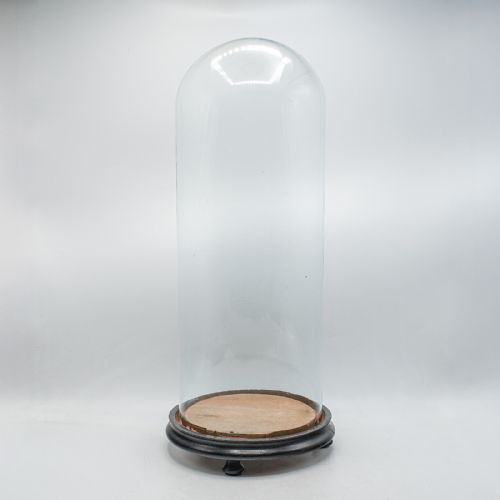
When you search for an english glass jar, you encounter a varied selection of functional and display vessels from the Georgian, Victorian, and Edwardian eras. These pieces range from apothecary tincture bottles and scent flagons to biscuit barrels and large taxidermy display domes.
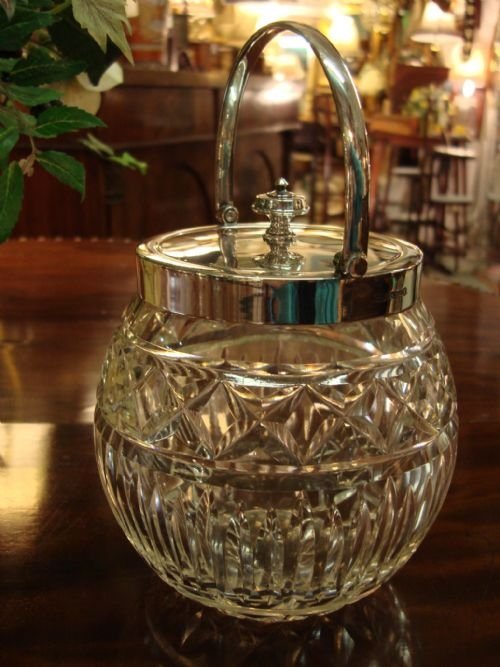
Victorian and Edwardian examples dominate the selection, often combining blown or cut glass with sterling silver lids, mounts, or wooden bases. Earlier Georgian pieces tend toward utilitarian apothecary forms, whilst later 1920s pieces introduce enamel decoration and Art Deco styling.
How they were made
Makers utilised traditional glassblowing techniques alongside deep hand-cutting to shape heavy crystal and utility glass bodies. Bases were frequently turned from ebonised wood, oak, beech, or pine to support the weight of the glass domes and jars.
Metal components, including sterling silver and silver plate, were fashioned with hallmarks, chasing, and enamel work. Fabric, felt, and velvet often lined the interiors of display bases and vanity boxes.
English Glass Jar Retail Price Guide 2026
Typical asking prices for english glass jar among the pieces listed under this phrase on Sellingantiques today, from the lower quarter to the upper quarter. They describe what is for sale here now, not the wider market.
The listings span eight distinct periods, running from Georgian and Regency origins through Victorian and Edwardian manufacturing up to 1920s Art Deco.
What varies in quality
The weight and clarity of the glass set apart the finest pieces, with deep hand-cut crystal displaying sharper facets than pressed alternatives. Silver mounts bearing clear Birmingham or London hallmarks and substantial gauge metal indicate superior workshop output.
The integrity of auxiliary materials like original wooden bases, felt linings, and tight-fitting silver or enamel lids preserves the original character and balance of the piece.
Mappin And Webb·Henry Perkins·Barnsley And Co·Adie Brothers Ltd·Jonathan Douglas·James Dixon And Sons
The English Glass Jar Glossary
- Cut glass
- Glass decorated by grinding facets or patterns into the surface using a wheel. This technique creates sharp refractive edges and heavy vessels.
- Display dome
- A blown glass bell jar set onto a wooden base, historically utilised to protect taxidermy, clocks, or botanical specimens from dust.
- Biscuit barrel
- A lidded container designed for storing biscuits on the dining table, frequently mounted in sterling silver or silver plate during the Victorian and Edwardian periods.
- Tincture bottle
- A medicinal glass bottle with a ground glass stopper, used by apothecaries to store liquid medicines and chemical preparations.
- Hallmark
- An official stamp applied to precious metals in Britain, indicating the maker, assay office, and year of testing.
English Glass Jar: Frequently Asked Questions
How do I clean an antique glass jar?
Wash glass components gently by hand using warm soapy water and a soft cloth to avoid scratching the surface. Keep moisture away from wooden bases, fabric linings, and silver lids to protect the structural integrity.
Polish silver mounts with a dedicated cloth only when necessary, taking care to prevent cleaning agents from contacting the glass or interior linings.
Are these jars safe for food use?
Many Victorian and Edwardian glass biscuit barrels and jars were designed specifically for pantry or table storage. However, older lead crystal or antique glass may not meet modern food-contact safety standards.
Utilise these pieces primarily for display or dry storage rather than acidic or wet foodstuffs to protect both the contents and the antique material.
How can I date an English glass jar?
Examine the metal mounts for British silver hallmarks, which indicate the exact assay office and year of manufacture. Pontil marks on the base of the glass, manufacturing styles, and accompanying wooden bases also help assign pieces to Georgian, Victorian, or Edwardian eras.
Compare the depth of the glass cutting and the presence of enamel work against known period examples to narrow down the decade.
What were display domes originally used for?
Large glass domes protected delicate Victorian taxidermy, clocks, and botanical specimens from household dust and damage. They served as scientific and ornamental showcases in prosperous nineteenth-century homes.
Today, collectors repurpose these same glass covers to display modern curiosities, minerals, and sculptures whilst maintaining period aesthetic values.