

English Elm Furniture
English elm furniture brings rugged honesty to an interior, built from tough native timber into practical country chairs, tables and chests.
English Elm Furniture
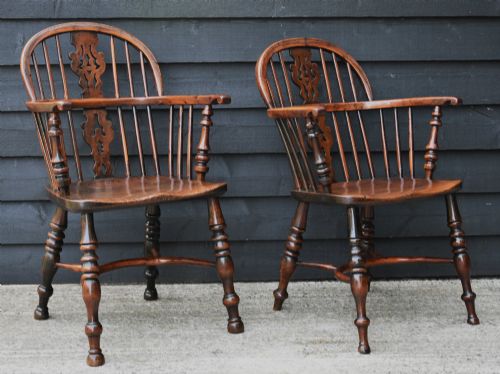
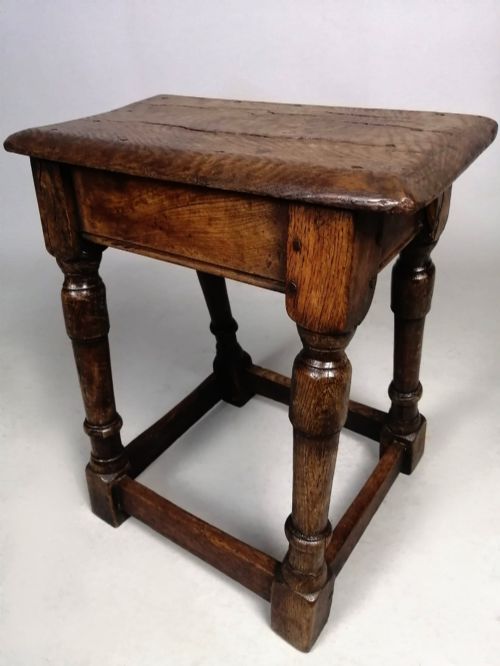
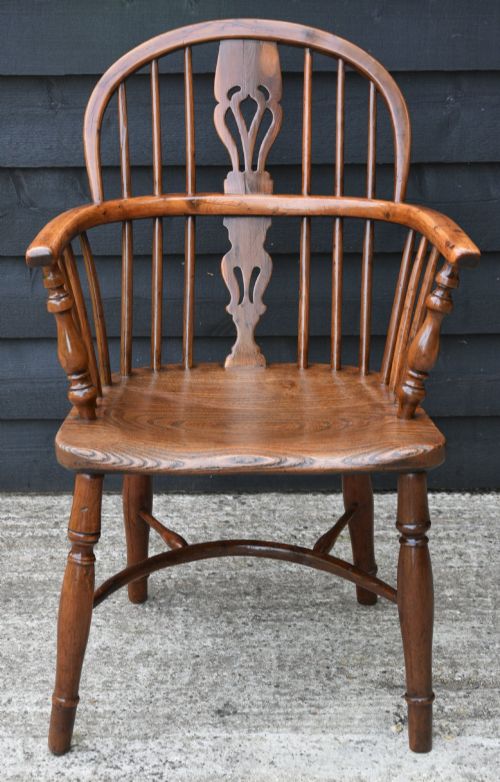
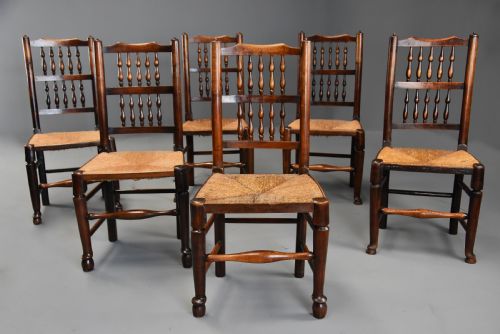
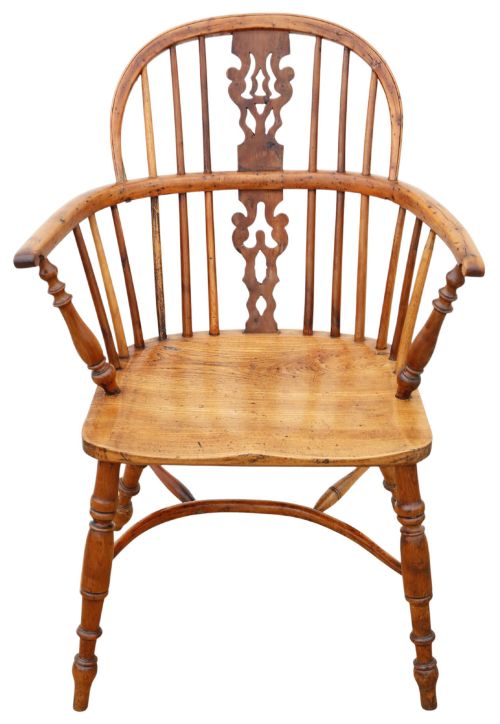
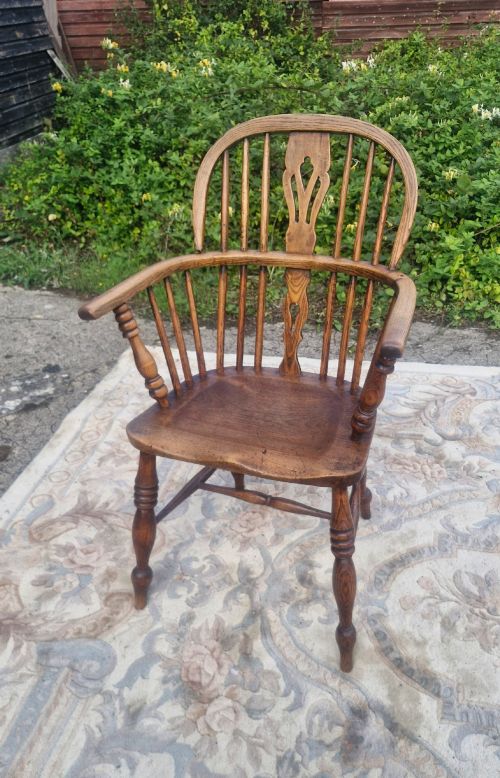
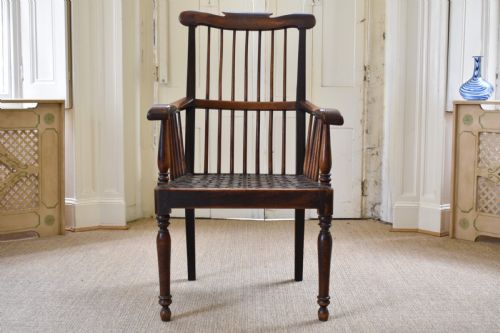
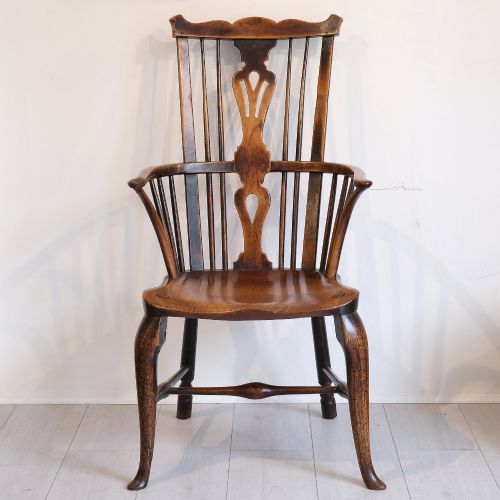
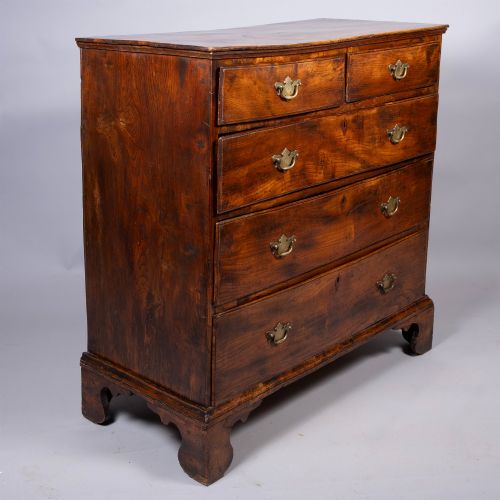
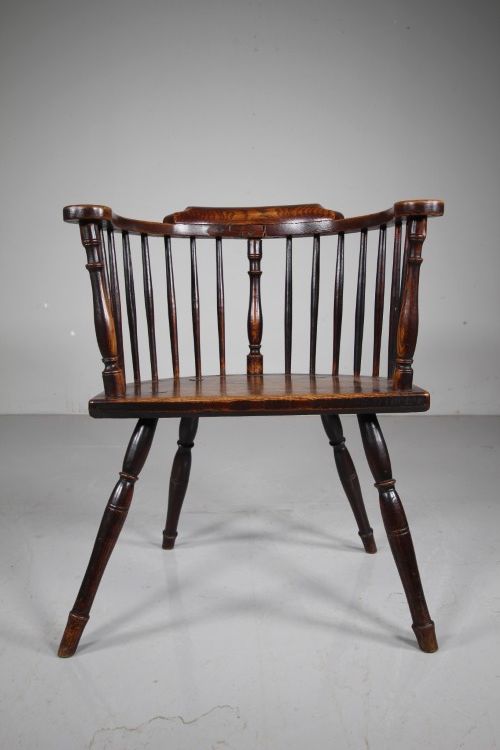
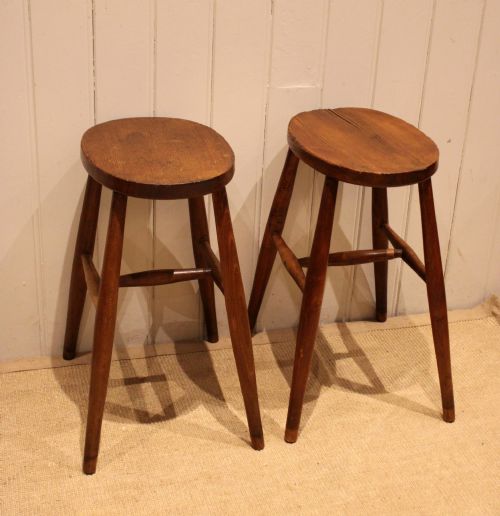
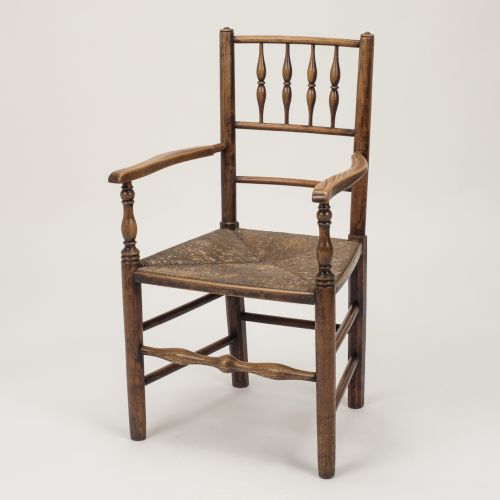
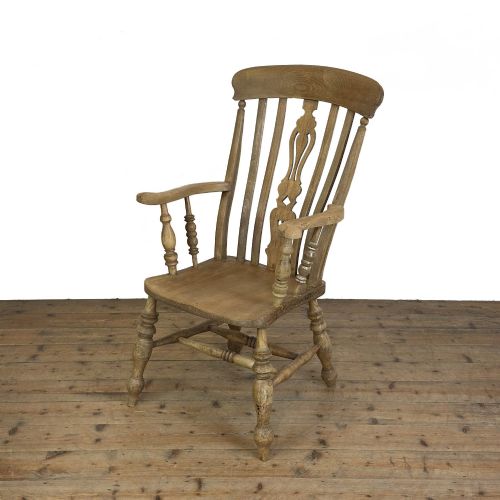
English elm furniture covers practical utilitarian pieces made across the seventeenth, eighteenth and nineteenth centuries in regional workshops. Buyers seeking English elm furniture typically find sturdy seating such as Windsor armchairs and spindlebacks, alongside useful tables, chests of drawers and stools.
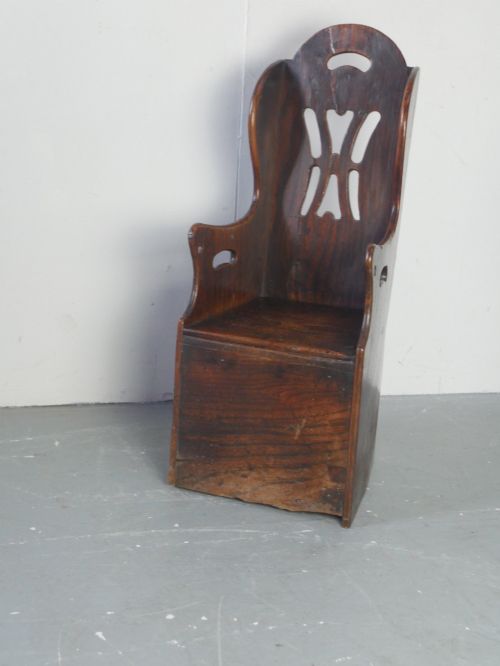
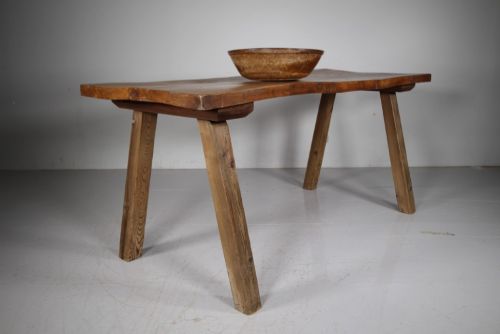
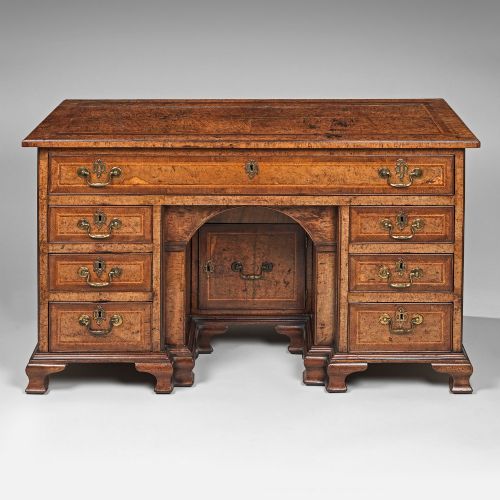
The selection here draws heavily on English country vernacular styles, featuring provincial forms made for everyday domestic life. Pieces range from simple elm benches and cricket tables to refined George II desks and commodes.
Distinctions in quality
Quality rests upon the balance between robust structural integrity and the natural figure of the wood. Plain utility boards differ markedly from richly figured burr elm or timber possessing deep, untouched patination built up through generations of use.
Proportion and regional design subtlety separate standard provincial items from exceptional maker-attributed pieces. Well-balanced armchairs with crisply turned spindles, generous saddle seats and retaining their original finish represent the upper tier of this tradition.
English Elm Furniture Retail Price Guide 2026
Typical asking prices for english elm furniture among the pieces listed under this phrase on Sellingantiques today, from the lower quarter to the upper quarter. They describe what is for sale here now, not the wider market.
Listings span the seventeenth, eighteenth and nineteenth centuries, featuring periods from George II through to Victorian times alongside regional vernacular styles.
The English Elm Furniture Glossary
- Windsor chair
- A wooden chair constructed with a solid saddle-shaped seat into which the legs and back spindles are directly inserted. This form evolved into distinct regional variations including comb backs and wheelbacks.
- Burr elm
- A woody growth on an elm tree that produces intricate, swirling grain patterns. Cabinet makers prized this timber for veneering high-status pieces like desks and commodes.
- Cricket table
- A small, lightweight table supported by three splayed legs. This sturdy rustic design prevented wobbling on uneven stone or flagged cottage floors.
- Rush seat
- A seating surface woven from dried wetland rushes. Traditional country makers utilised this pliable material to form durable, comfortable bases for dining and Lancashire chairs.
- Bacon settle
- A high-backed wooden bench featuring an enclosed box base. Country households used these substantial pieces by the hearth for seating and for storing cured meats.
English Elm Furniture: Frequently Asked Questions
What is a Windsor chair?
A Windsor chair is a timber seat built around a thick solid wooden plank rather than a separate frame. Slender spindles form the back, held together by a bentwood bow.
These chairs rely on socketed joints where legs and spindles fit directly into bored holes in the seat. Makers selected native woods like elm for the seats and ash for the flexible spindles.
How do I care for antique elm?
Keep elm furniture away from direct heat sources and sudden temperature shifts to prevent the timber from splitting. Elm possesses a notoriously interlocking grain that moves in response to dry domestic environments.
Apply a traditional beeswax polish occasionally to nourish the surface and maintain the natural lustre. Avoid modern silicone sprays that build up and damage antique finishes.
What defines Thames Valley chairs?
Thames Valley chairs represent a refined subset of vernacular Windsor seating produced around the region's rich woodlands and furniture-making hubs. These pieces often incorporate yew wood for the arms and bows alongside elm seats.
Cabinet makers in this area applied superior turning techniques and graceful proportions to their chairs. Distinctive comb backs and carved central splats frequently mark out these workshop origins.