




English Dining Room Furniture
English dining room furniture brings together centuries of craftsmanship, offering sturdy mahogany dining chairs, practical dumbwaiters, and grand sideboards.
English Dining Room Furniture
English dining room furniture encompasses a range of seating, serving tables, and storage pieces designed for formal meals and daily gatherings. When searching for english dining room furniture, buyers encounter everything from large dining suites to individual serving pieces.
The selections span distinct historical eras, with pieces originating from the Georgian, Regency, and Victorian periods. Chairs, buffets, and dumbwaiters dominate the offerings, usually constructed from rich hardwoods.
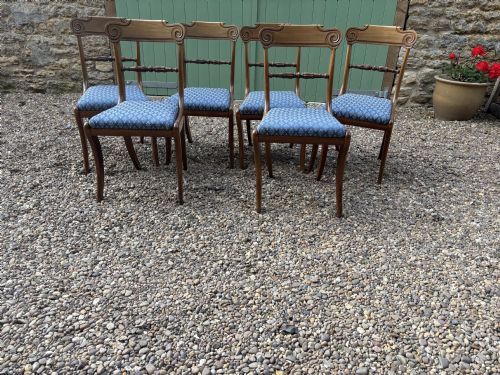
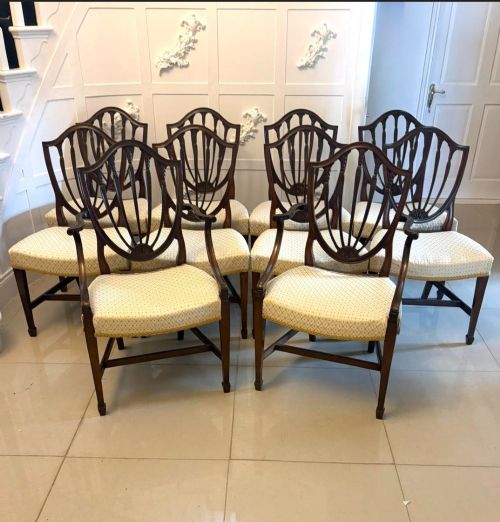
Sets of dining chairs frequently appear, ranging from intimate groupings of six to larger collections intended for substantial tables. Alongside these, specific server pieces like dumbwaiters and sideboards provide the functional backbone of traditional dining spaces.
How they were made
Cabinet makers relied heavily on mahogany as the primary timber, valued for its dense grain and deep colour. Woodworkers combined this sturdy material with satinwood, rosewood, and maple for decorative contrast and inlay work.
Seating and serving pieces frequently incorporate supplementary materials such as brass fittings, glass elements, and various upholstery fabrics including velvet and leather. Construction techniques prioritized durability, utilising traditional joinery to support heavy daily use over generations.
English Dining Room Furniture Retail Price Guide 2026
Typical asking prices for english dining room furniture among the pieces listed under this phrase on Sellingantiques today, from the lower quarter to the upper quarter. They describe what is for sale here now, not the wider market.
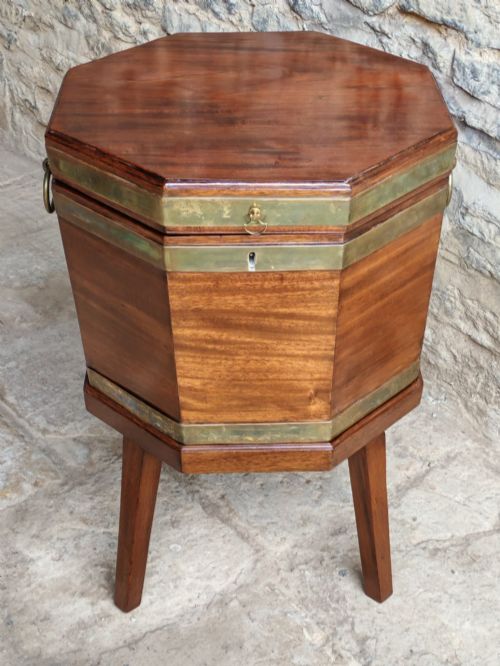
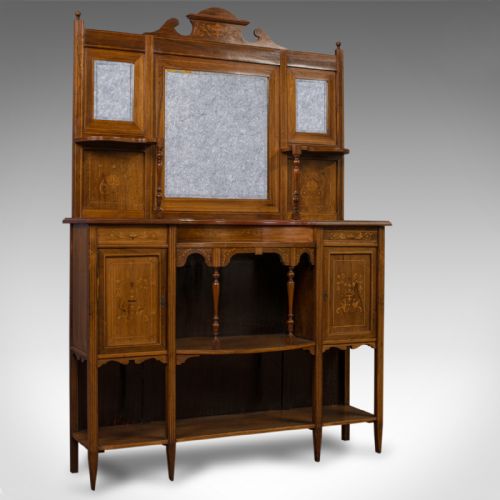
Object types on this page include dining chairs, serving tables, multi-tiered dumbwaiters, and sideboards with boxwood inlay.
What varies in quality
Quality diverges significantly based on the precision of the cabinet work and the selection of timber veneers. Superior examples display careful attention to detail in carved elements, boxwood inlay, and balanced proportions.
The integrity of the original wood and the preservation of period upholstery fabric or leather distinguish standard items from exceptional ones. Cohesion within larger dining chair sets also dictates standing, as matched collections retain higher desirability.
Maple and Co·Holland and Sons
The English Dining Room Furniture Glossary
- Dumb Waiter
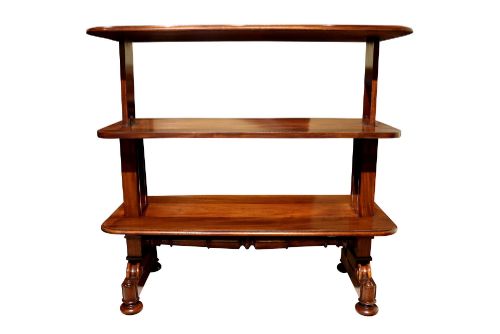
- A tiered revolving piece of furniture designed to hold dishes and serving items near the dining table. These stands allowed diners to help themselves without servants present.
- Carver Chair
- An armchair with wooden arms, traditionally placed at the head of a dining table. These typically accompanied a set of smaller, armless side chairs.
- Buffet
- A long sideboard or serving table used for holding food and tableware during meals. These pieces often feature multiple tiers or drawers for storage.
- Satinwood
- A light-coloured, hard timber native to Ceylon and India, frequently utilised for contrasting inlay work and decorative veneer on fine furniture.
- Rise and Fall
- A mechanical adjustment mechanism allowing tiers on pieces such as dumbwaiters to change height. This innovation added versatility to serving furniture during the nineteenth century.
English Dining Room Furniture: Frequently Asked Questions
What pieces make up a dining suite?
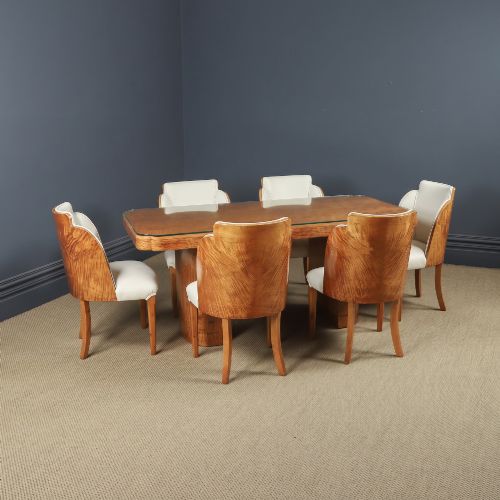
A complete dining suite typically combines a dining table with a matching set of chairs, often including armchairs and side chairs. Additional matching items such as sideboards or serving tables frequently accompany these groupings.
These collections provide a uniform aesthetic for entertaining, drawing on specific design movements like Art Deco or Queen Anne styles.
How were dumbwaiters used?
Dumbwaiters served as multi-tiered storage stands placed beside the dining table to hold extra plates, glasses, and dishes. They allowed diners access to courses and beverages without constant interruption from household staff.
Some versions utilised mechanical rise and fall columns to adjust shelf heights according to the serving needs of the household.
How do I identify Regency furniture?
Regency pieces often display classical influences inspired by ancient Greece and Rome, utilising dark mahogany and restrained brass decoration. The style focuses on clean lines and architectural proportions rather than heavy carving.
Chairs from this era frequently feature curved backs and sabre legs, reflecting the prevailing taste of the early nineteenth century.
What is the difference between a sideboard and a buffet?
Sideboards and buffets both function as serving and storage furniture in dining rooms, though their exact configurations vary by period. Sideboards generally offer longer surfaces with cupboards and drawers tailored for cutlery and linens.
Buffets often feature tiered shelving or specialised surfaces designed specifically for presenting food during large gatherings.