

English Country Antiques
English country antiques bring the robust honesty of domestic life, from farmhouse tables to Windsor armchairs, directly into modern rooms.
English Country Antiques
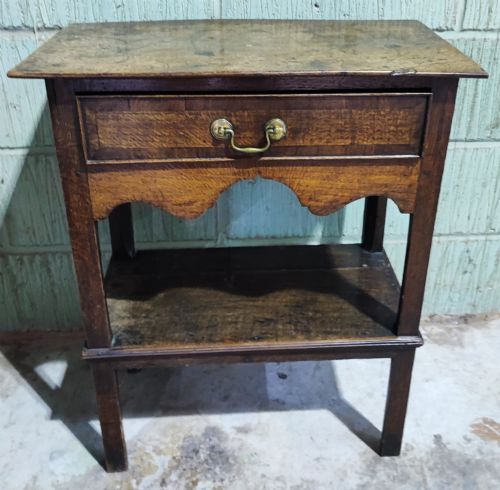
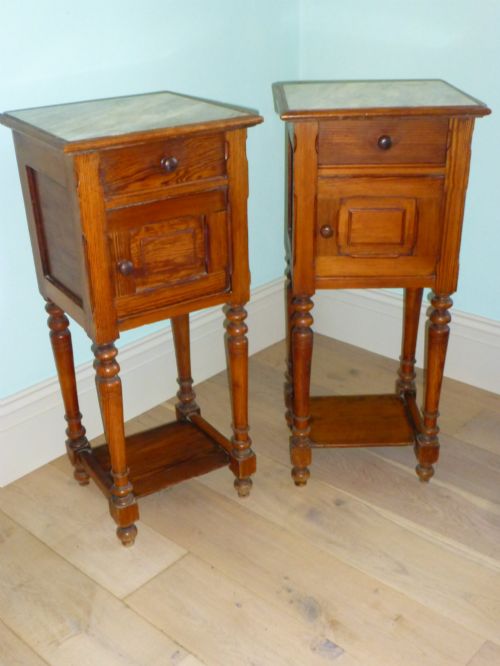
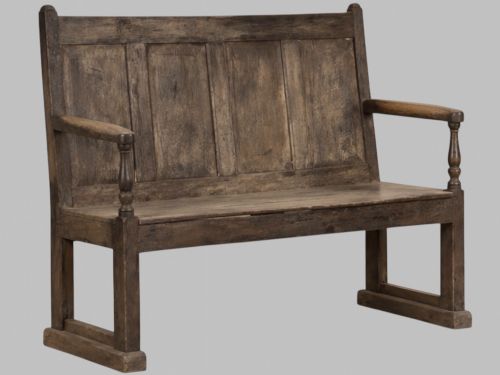
When you search for english country antiques, you enter a domain of practical domestic objects shaped by regional makers and rural necessity. The pieces you encounter most often span the seventeenth, eighteenth, and nineteenth centuries, reflecting a tradition built on utility rather than courtly display.
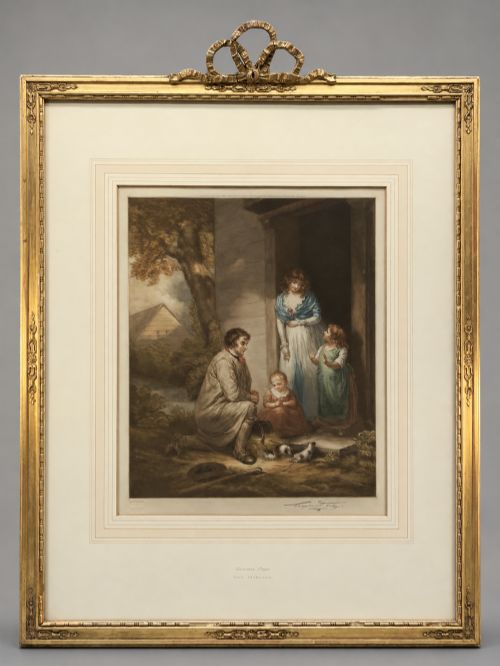
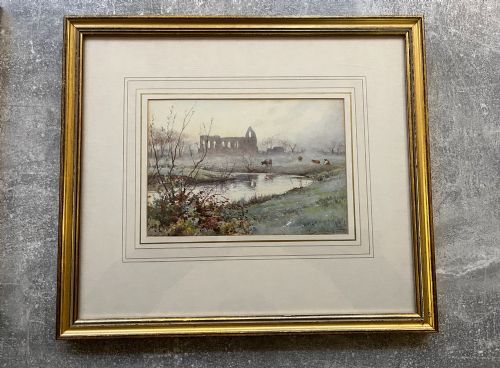
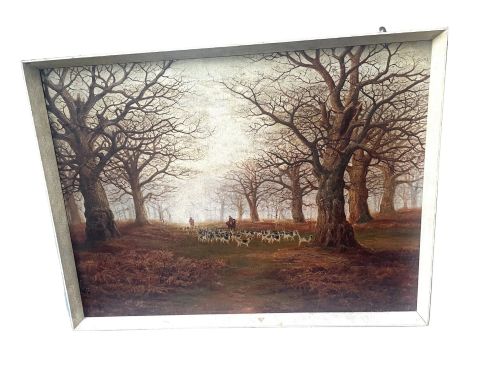
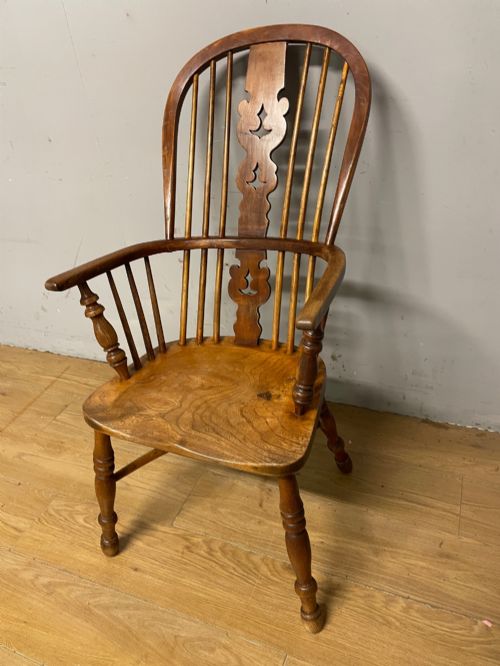
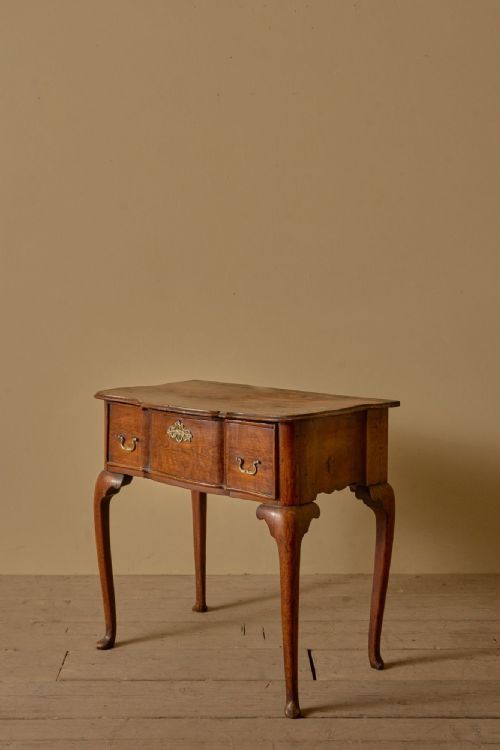
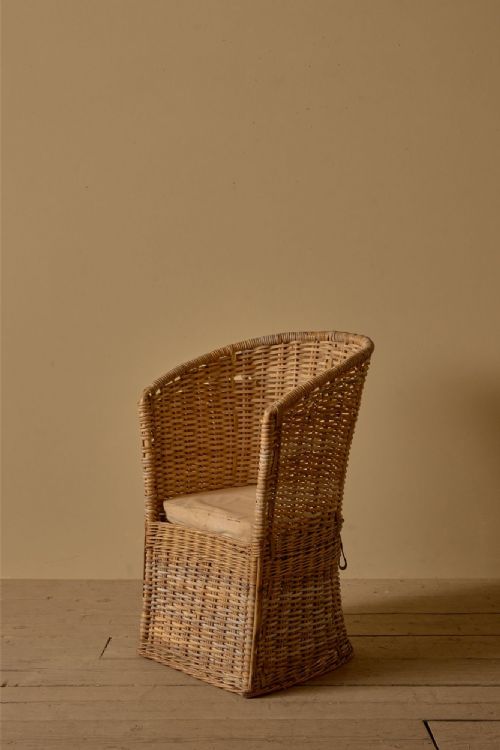
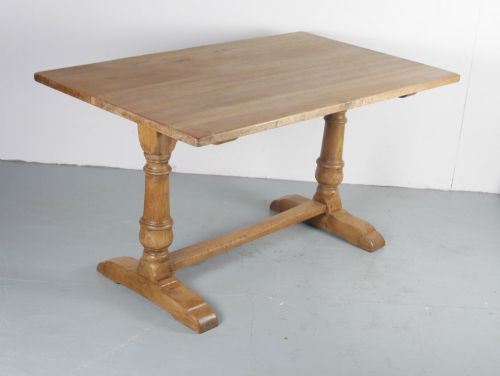
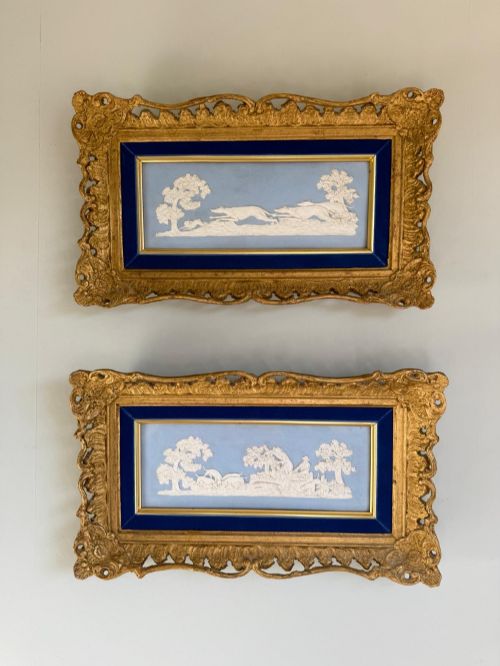
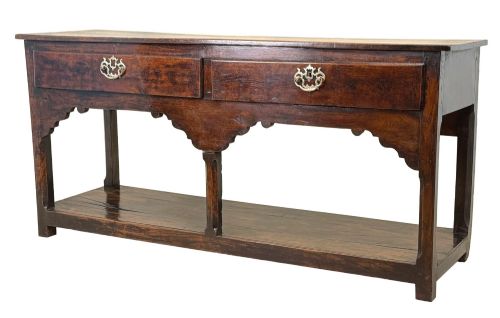
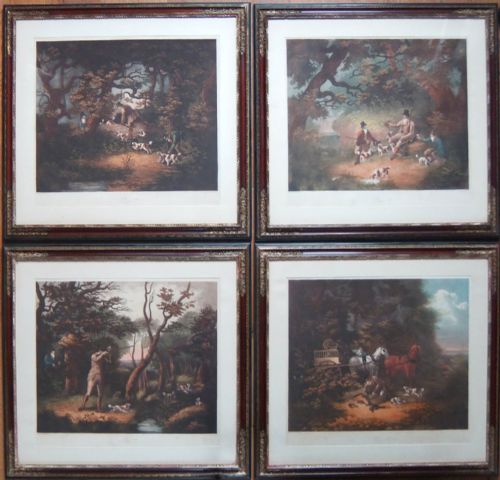
The selection ranges from sturdy refectory and cricket tables in oak and elm to Windsor armchairs and kitchen seating designed for everyday endurance. Alongside furniture, you find oil paintings of horses, cattle, and rural life, alongside brass fire dogs and utilitarian platters.
Originating in farmhouses, cottages, and provincial schools, these items carry the marks of regional vernacular styles. They offer a direct line to historical domestic spaces without the elaborate ornamentation of high-style urban furniture.
Materials and construction methods
Makers relied on native timbers such as oak, elm, yew, beech, and pine, selecting woods for their local availability and structural resilience. Elm provided the tough, interlocking grain needed for chair seats, while oak and ash formed sturdy frames and table legs.
Joinery methods prioritized strength and straightforward construction, utilising joint stools, pegged joints, and turned spindles. Surfaces often retained original paint, plain wax finishes, or natural patination developed through generations of domestic use.
English Country Antiques Retail Price Guide 2026
Typical asking prices for english country antiques among the pieces listed under this phrase on Sellingantiques today, from the lower quarter to the upper quarter. They describe what is for sale here now, not the wider market.
A sycamore platter preserves the literal burn mark left by an iron around seventeen-ninety.
Markers of distinction
Quality in these pieces rests upon the integrity of the timber, the honesty of the construction, and the survival of an original surface. A table or chair that retains its unstripped timber and natural wear possesses a visual depth that over-restored examples lack.
Proportion and regional character also distinguish finer examples, as seen in the considered curve of a Windsor bow or the balanced turnings of a gateleg table. Maker attribution or documented provenance further elevates pieces beyond standard utility items.
Howard And Sons Ramsden Sofa·Charles Bilger Spalding·George F Bird·Samuel Joseph Clark
The English Country Antiques Glossary
- Windsor armchair
- A wooden chair featuring a solid sculpted seat into which the legs and back spindles are separately inserted. They often combine multiple native timbers like elm, ash, and yew.
- Cricket table
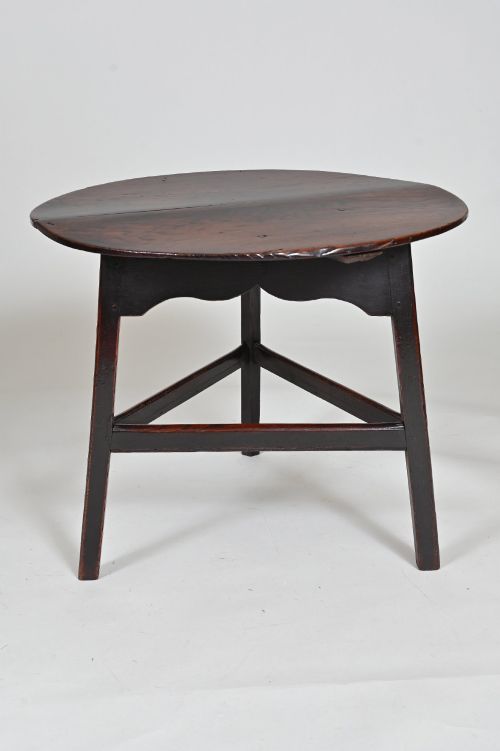
- A small, lightweight occasional table typically supported by three splayed legs. This three-legged construction provided stability on uneven farmhouse floors.
- Refectory table
- A long, narrow dining table traditionally used for communal meals. Vernacular versions utilise heavy oak or pine boards supported by straightforward stretcher bases.
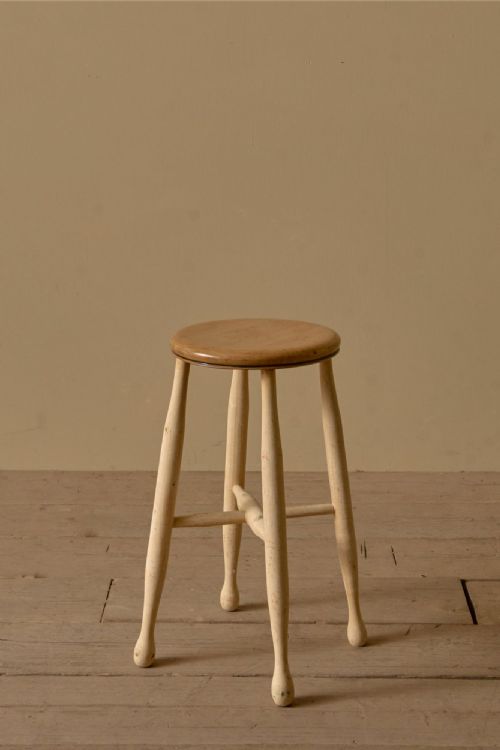
- Joint stool
- A sturdy wooden stool constructed with pegged mortise and tenon joints rather than turned legs alone. These served as primary seating before chairs became common in every household.
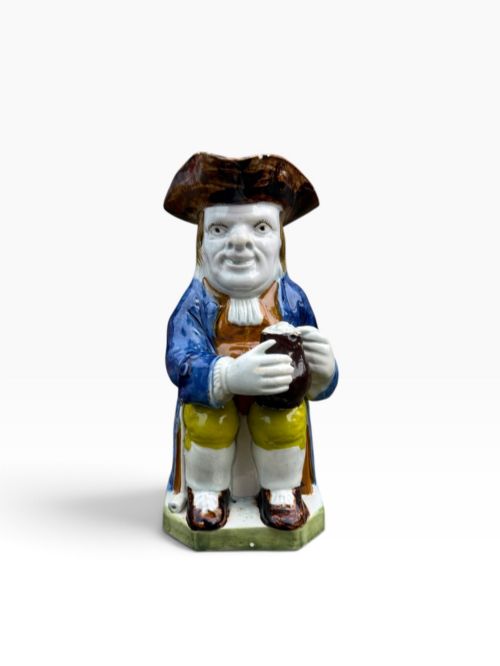
- Pratt ware
- A type of early English earthenware characterised by underglaze ceramic colours, typically blue, ochre, and brown, often moulded with relief decoration.
English Country Antiques: Frequently Asked Questions
What defines english country antiques?
These pieces comprise furniture, paintings, and household items made for rural and provincial domestic use. They prioritize practical function and sturdy native materials over urban fashion.
Common forms include farmhouse tables, Windsor chairs, and oak storage chests dating from the seventeenth to the nineteenth centuries.
How were Windsor chairs built?
Makers constructed these chairs by boring holes directly into a thick, solid wooden seat to receive the legs and back components. This technique allowed different native timbers to be combined for maximum strength.
Elm was frequently selected for the seat due to its resistance to splitting, while ash or yew formed the bentwood hoops and spindles.
Where were cricket tables used?
These small three-legged tables stood in cottages and farmhouses where uneven stone or earth floors made four-legged furniture wobble. Their simple design allowed them to be easily moved near a hearth or window.
Today, their compact footprint makes them versatile as side tables in contemporary rooms.
How do I identify vernacular furniture?
Vernacular pieces show the hand of regional craftsmen working outside strict London guild traditions. They utilise local woods and straightforward construction methods dictated by immediate utility.
Tool marks, pegged joints, and original surface patination are key indicators of this honest, unpretentious tradition.