

English Ceramic Pottery
English ceramic pottery spans centuries of domestic manufacture, taking the form of jugs, figures, vases, and creamware vessels that collectors prize for their varied glazes and hand-painted details.
English Ceramic Pottery
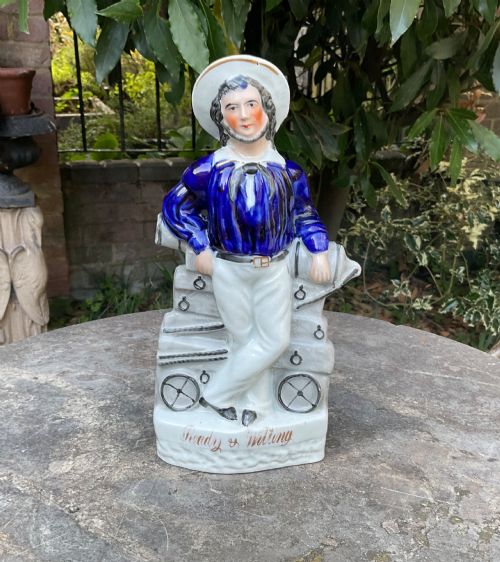
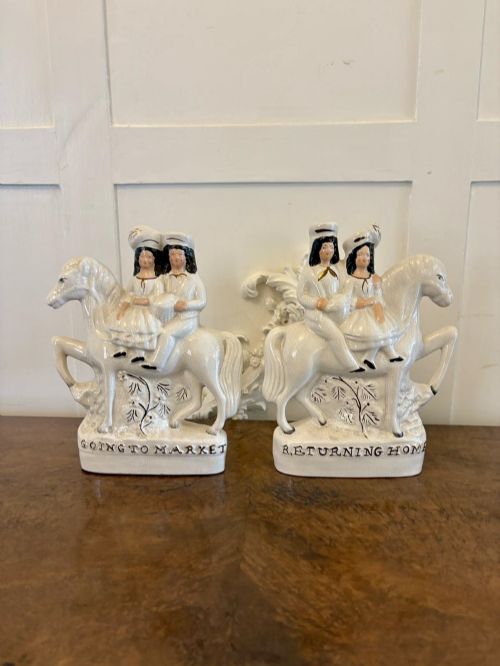
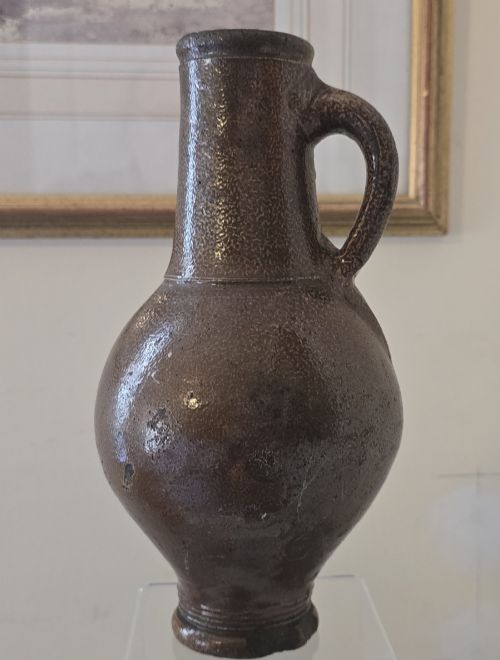
When buyers search for english ceramic pottery, they encounter a diverse range of objects spanning from seventeenth-century stoneware to twentieth-century decorative vases. The selection includes utilitarian creamware, transferware plates, and Staffordshire figures depicting historical events or domestic animals.
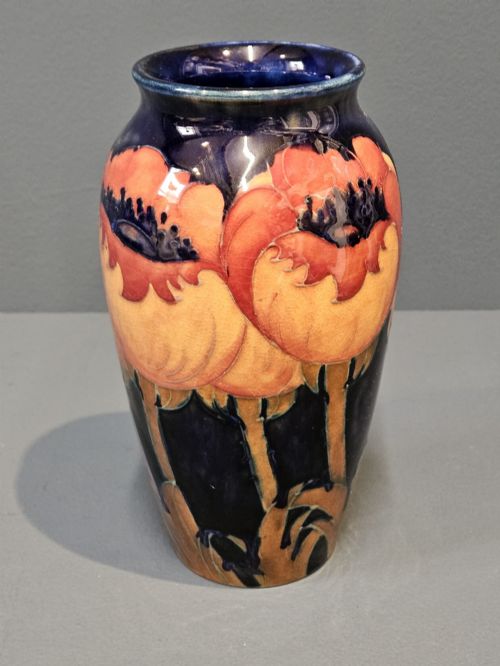
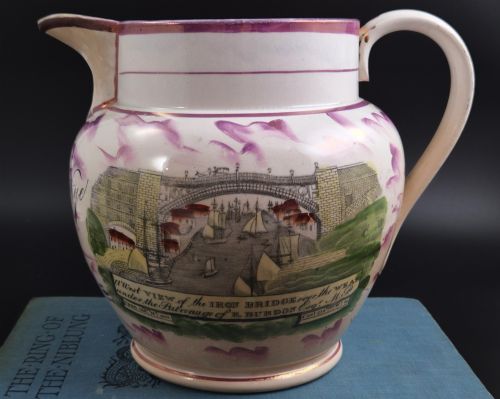
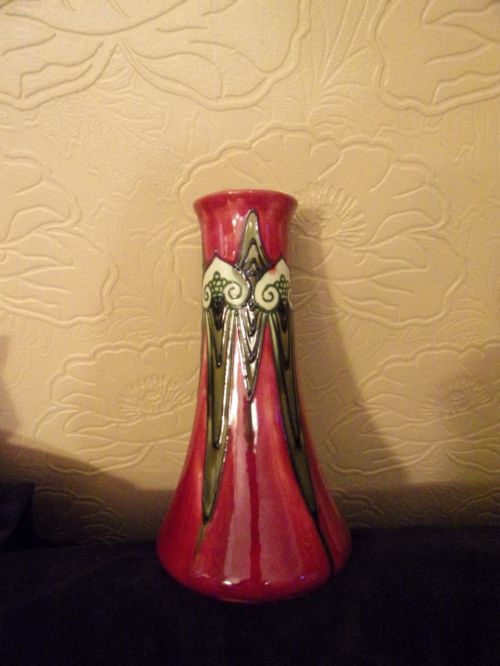
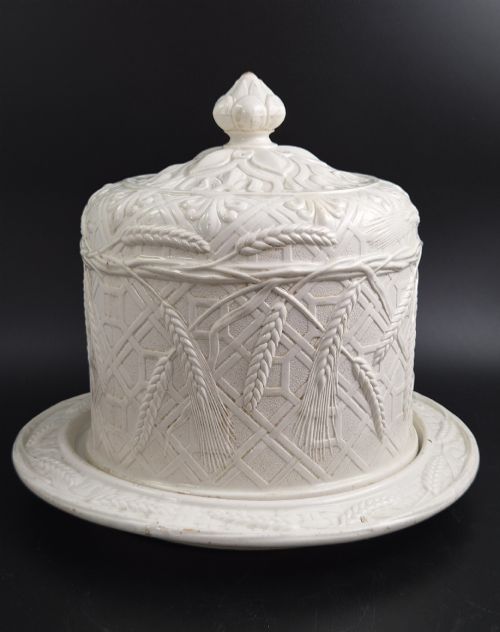
Vessels such as Sunderland pink lustre jugs and Wedgwood cane baskets appear frequently alongside ornate Moorcroft vases and ironstone cheese domes. These pieces reflect shifts in domestic taste and ceramic production methods across the Georgian, Victorian, and Edwardian periods.
Materials and Construction
Potters utilised earthenware, stoneware, and ironstone bodies, applying coloured enamels, metallic glazes, and transfer-printed designs to the surface. Tin-glazed earthenware and creamware provided smooth bases for hand-painted Chinoiserie scenes and patriotic motifs.
Techniques such as tube-lining created raised outlines for vibrant coloured glazes on Edwardian vases, whilst salt-glazing protected utilitarian stoneware bottles from liquid penetration. Gilt highlights and pink splash lustre finishes were added during secondary firings to enhance decorative appeal.
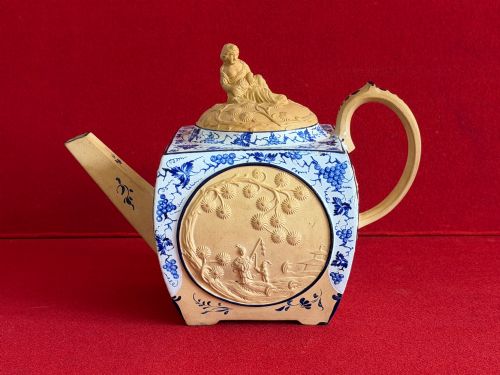
Commode-shaped teapots with widow finials remind us that Georgian tea drinkers possessed a surprisingly robust sense of domestic humour.
Factors Determining Quality
The precision of the transfer printing and the vibrancy of the hand-applied enamel colours distinguish finer examples from standard production pieces. Crisp moulding on Staffordshire figures and sharp detail in the reticulation of chestnut baskets indicate superior craftsmanship.
The complexity of the glaze chemistry, evident in successful pink lustre applications or rich tube-lined designs, separates master potteries from routine output. Depth of colour and preservation of the original gilt and enamel layers heavily influence the standing of an individual piece.
John Dwight Fulham Pottery·Moorcroft·Spode·Royal Crown Derby·William Smith and Co·Minton·Davenport·Wedgwood·Mason·Sunderland Garrison Pottery
The English Ceramic Pottery Glossary
- Creamware
- A refined earthenware with a pale yellowish-buff glaze, developed in the eighteenth century by northern potters. It became a staple for domestic tableware due to its durability and clean appearance.
- Transferware
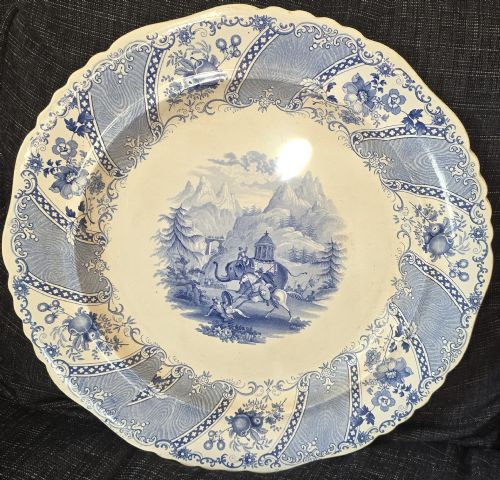
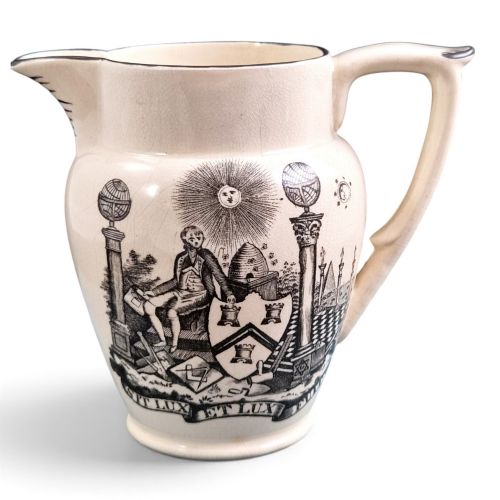
- Pottery decorated by applying a printed design from an engraved copper plate onto tissue paper and then transferring the ink onto the ceramic body before glazing. This technique allowed for intricate pictorial scenes on plates and jugs.
- Lustreware
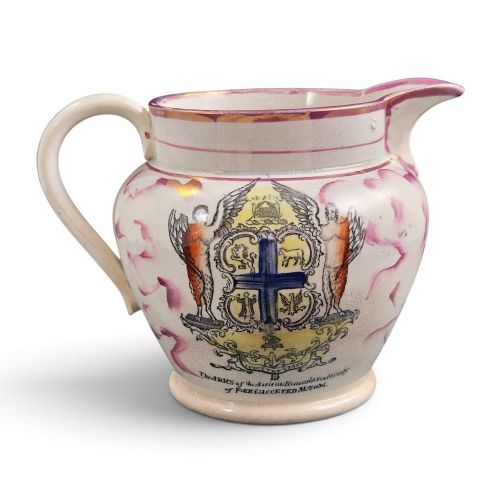
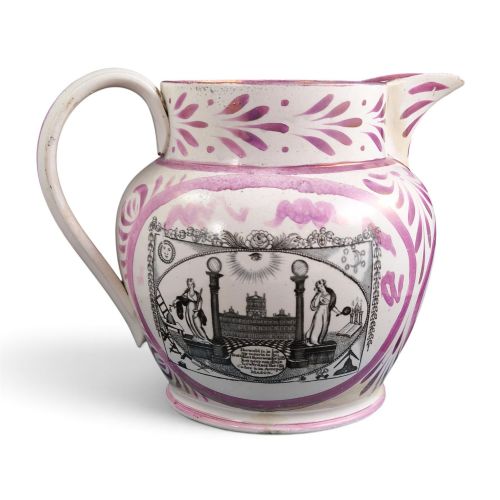
- Earthenware finished with a metallic glaze that produces an iridescent, reflective sheen resembling copper, silver, or pink gold. It was popular in nineteenth-century Sunderland and surrounding potteries.
- Ironstone
- A dense, heavy type of durable vitreous pottery patented in the early nineteenth century as a robust alternative to porcelain. It often featured bold chinoiserie patterns and moulded details.
- Tube-lining
- A decorative technique where a thin trail of liquid clay or slip is squeezed through a nozzle onto the ceramic surface to form raised outlines that contain coloured glazes. This method was widely used in late nineteenth and early twentieth-century art pottery.
English Ceramic Pottery: Frequently Asked Questions
How do I identify a Staffordshire figure?
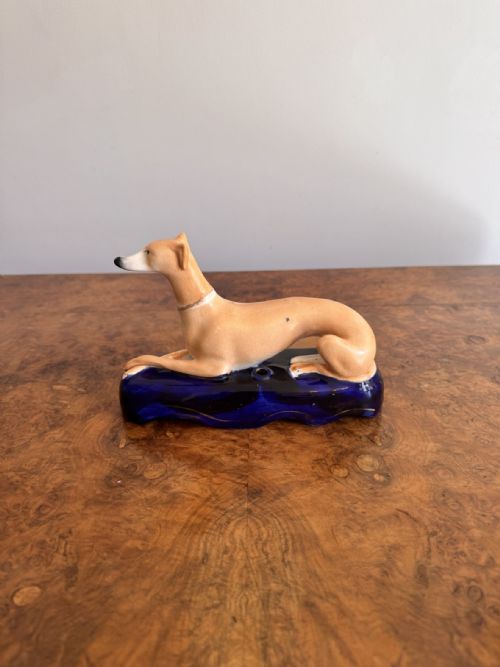
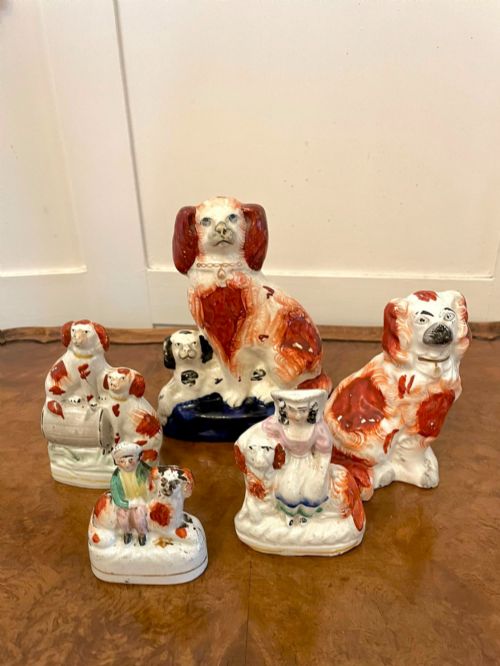
Staffordshire figures typically feature hollow earthenware bodies with hand-painted underglaze colours and gilt accents, often depicting notable historical events, literary characters, or pairs of domestic animals like greyhounds. Many nineteenth-century examples include flat backs designed to stand against a mantelpiece.
Closer inspection often reveals vent holes used during firing and characteristic Craquelure within the glaze layers. The subjects changed over time, moving from early Wesley and religious figures to mid-nineteenth-century military leaders and royalty.
What is pink lustre pottery?
Pink lustre pottery is a type of English earthenware featuring a distinctive metallic glaze that produces a shimmering, pink or purple iridescent surface. Potters achieved this effect by applying a thin layer of gold in solution during a secondary low-temperature kiln firing.
These pieces frequently display printed maritime scenes, masonic symbols, or commemorative verses celebrating bridges and sailors. The intensity of the pink splash and the clarity of the underlying transfer print determine the visual impact of each vessel.
How can I date an antique creamware jug?
Dating creamware involves examining the tone of the pale yellow glaze, the weight of the ceramic body, and the style of any transfer-printed or hand-painted decoration. Eighteenth-century pieces tend to be lighter with a softer, buttery glaze tone.
Georgian examples often incorporate classical shapes with delicate twisted handles and minimal polychrome enamel highlights. Maker's marks were rarely stamped early on, so stylistic clues from the handle attachment and foot rim are essential for establishing the decade.
What is ironstone pottery?
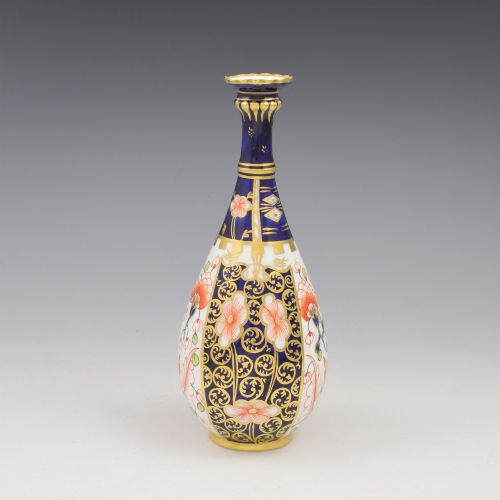
Ironstone is a heavy, durable ceramic body patented to resist chipping while offering an affordable alternative to imported porcelain. It provided a sturdy surface for bold underglaze blue printing and vibrant Imari-style enamel palettes.
Nineteenth-century examples range from large domestic cheese domes to elaborate patterned jugs bearing impressed factory marks on the base. The material accepts heavy use while retaining sharp moulded architectural and floral details.