
English Brown Furniture
English brown furniture comprises historic wooden utilitarian pieces crafted in oak, mahogany, walnut, and yew wood for daily domestic use.
English Brown Furniture
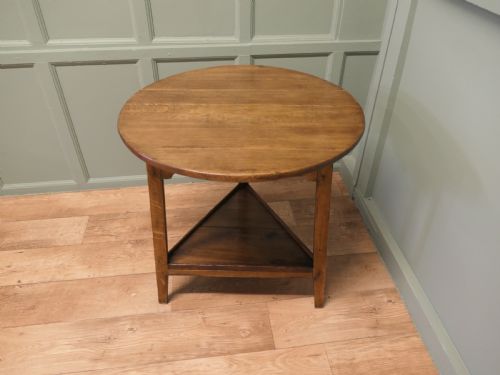
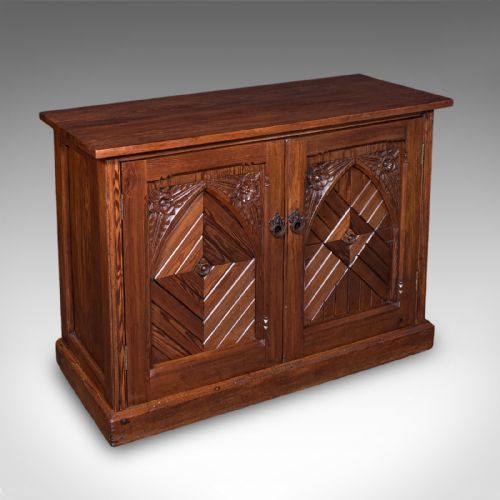
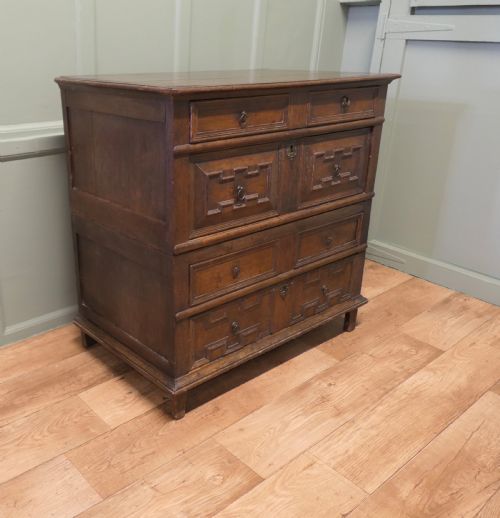
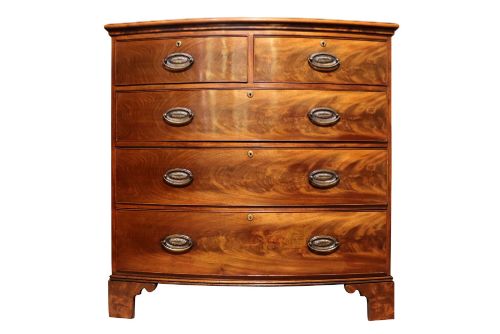
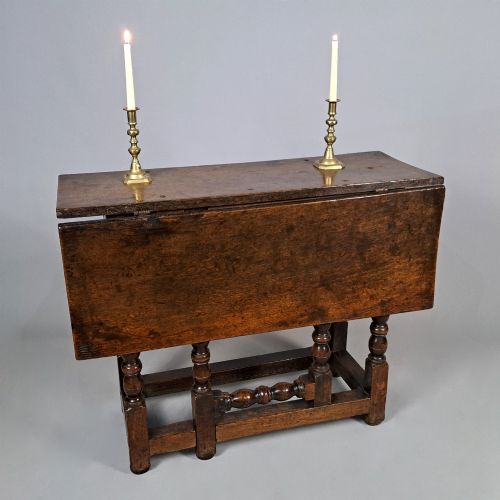
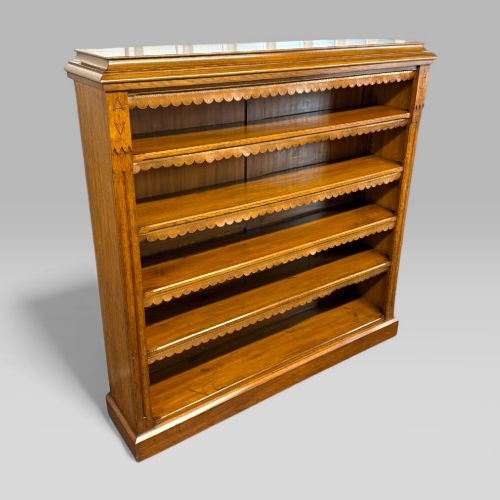
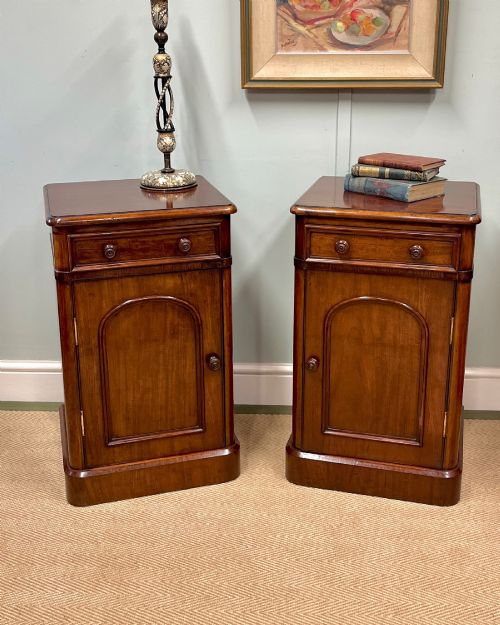
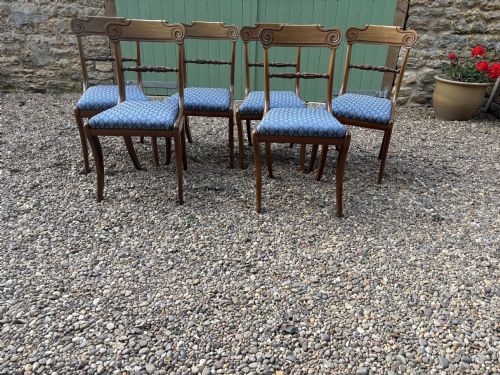
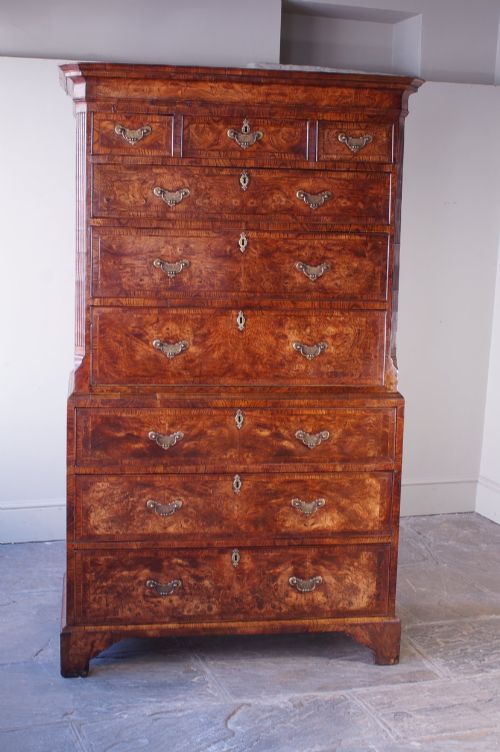
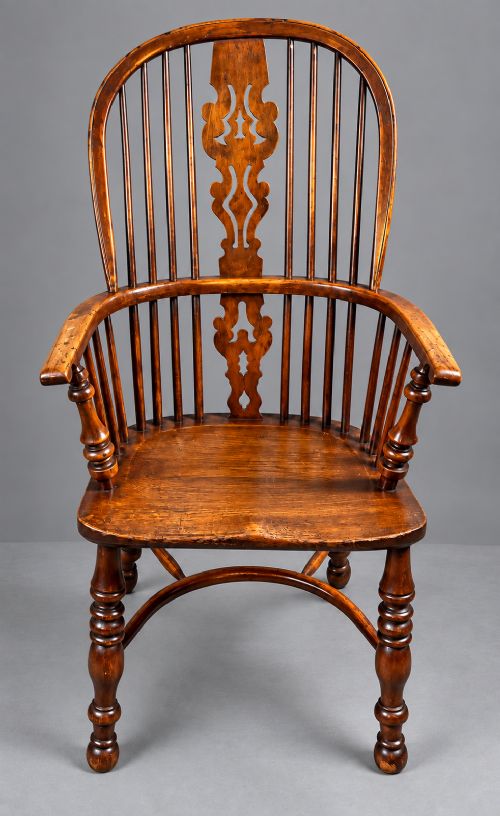
English brown furniture encompasses traditional utilitarian and formal domestic items shaped from native and imported timbers across several centuries. When exploring English brown furniture on this page, a buyer encounters chest of drawers, dining chairs, occasional tables, and seating from periods spanning the seventeenth century through to the art deco era. Oak and mahogany items dominate the selection, appearing alongside walnut, yew wood, elm, and burr walnut in forms ranging from country vernacular cricket tables to formal regency bow front chests.
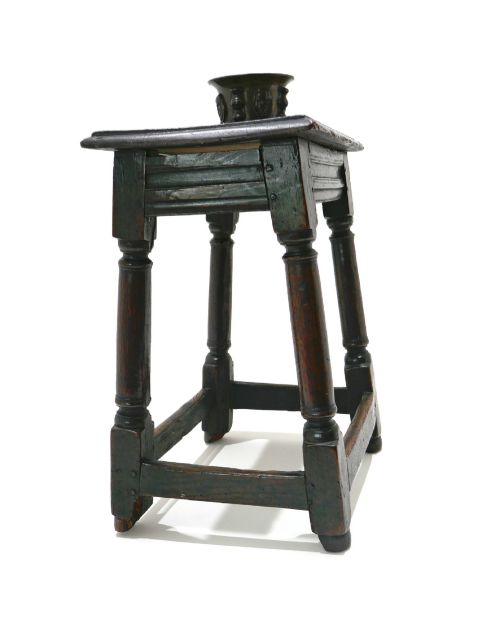
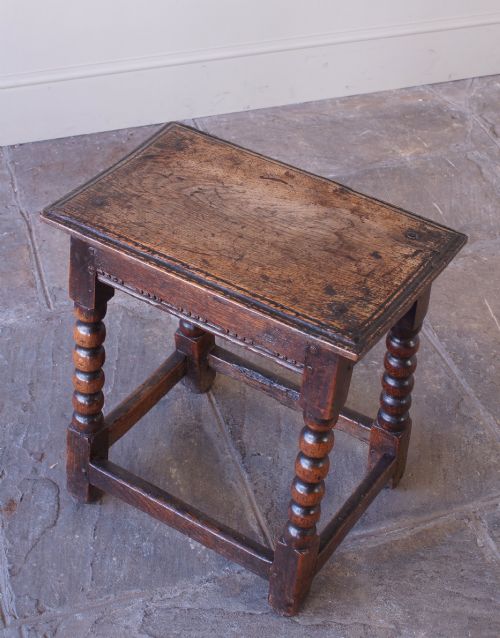
The selection represents everyday household articles alongside formal reception pieces, showing how domestic interiors evolved. Early examples lean heavily toward joined oak and sturdy construction, while later nineteenth and early twentieth century pieces introduce refined mahogany veneers, marquetry inlay, and burr walnut surfaces. Buyers find functional storage items like cabinets and bookcases sitting alongside seating options such as windsor armchairs, joint stools, and dining chairs.
How They Were Made
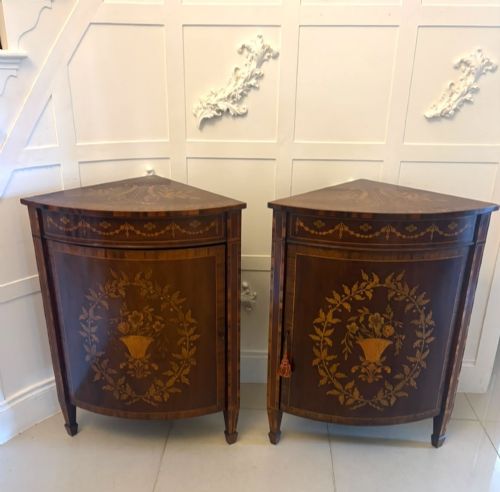
Cabinetmakers and joiners utilised solid hardwoods like oak, walnut, and mahogany, often combining them with secondary timbers to build sturdy frames and carcases. Surfaces frequently display figured veneers, burr walnut figure, or marquetry inlay to enhance the visual grain of the wood without compromising structural integrity.
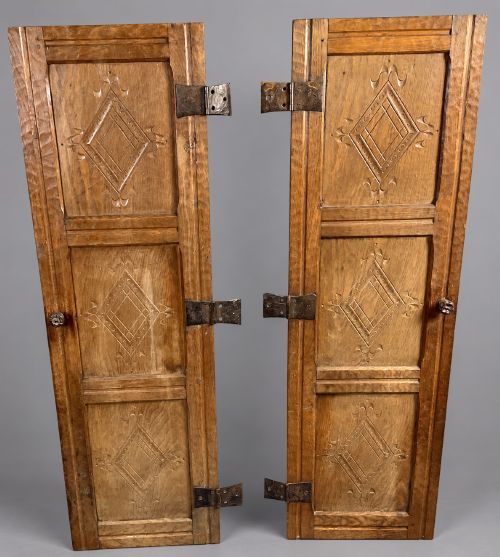
Traditional joinery methods such as mortise and tenon joints, dovetailing on drawer construction, and turned legs defined the fabrication of these pieces. Brass hardware, leather inserts, and iron fixings were integrated into tables, desks, and chests to provide functional support and decorative contrast against the dark timber.
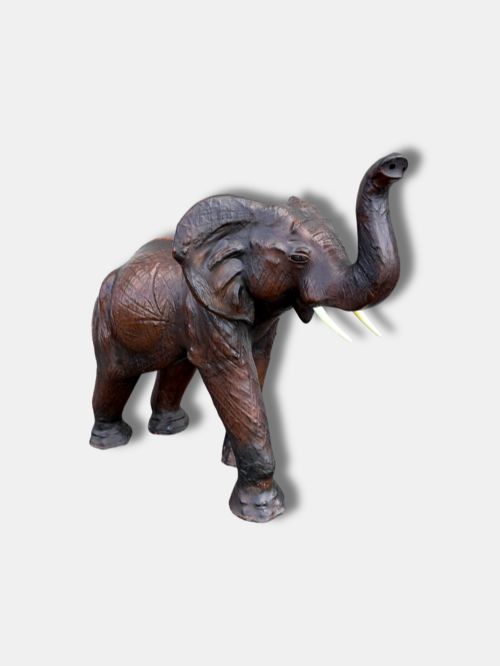
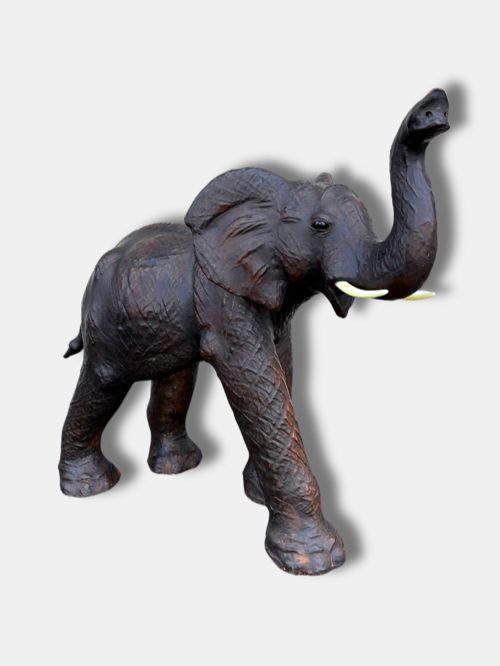
Leather elephant footstools designed by Liberty in nineteen-thirty bring an unexpected safari touch to traditional English interiors.
What Varies in Quality
The degree of selection in timber grain marks the distinction between standard utilitarian production and high-status cabinet work. Pieces utilising figured ash, pollard oak, or burr walnut display careful matching of wood figures across drawer fronts and table tops, whereas simpler items rely on plain plank construction.
Construction methods and decorative restraint reveal the workshop standard behind each piece. Crisp carving on table bases, well-dovetailed drawer boxes, and intact original brass fittings indicate higher levels of original craftsmanship compared to later alterations or heavy surface restoration.
Liberty·Gabbitass of Worksop
The English Brown Furniture Glossary
- Cricket table
- A small, lightweight three-legged table originating in vernacular settings, typically constructed from oak with a round top. The three-legged design ensured stability on uneven floors.
- Joint stool
- A sturdy wooden seat built with pegged mortise and tenon joints rather than turned legs alone. These seventeenth-century items served multiple domestic purposes before individual chairs became common.
- Windsor chair
- A wooden armchair featuring a saddle-shaped seat into which the legs and back spindles are directly wedged. Regional variations often combine yew wood and elm.
- Bow front
- A convex curved cabinet or chest front that swells outward in the centre. This configuration gained popularity during the regency and georgian periods.
- Burr walnut
- Wood taken from a growth deformation on a walnut tree, producing swirling, intricate grain patterns. Cabinetmakers sliced this material into thin veneers for decorative surfaces.
English Brown Furniture: Frequently Asked Questions
What periods do these pieces come from?
The selection spans from the seventeenth century through the georgian, victorian, and regency eras up to the nineteen-thirties.
Early examples feature joined oak from the seventeenth century, while later items showcase mahogany and walnut from the eighteenth and nineteenth centuries.
How were these items used originally?
They served practical functions in domestic and public interiors, providing storage, seating, and surface space for dining or writing.
Items ranged from pub stools and tavern tables to formal library bookcases and bedroom chests of drawers.
How do I identify different wood types?
Oak and elm appear in early vernacular pieces, displaying prominent grain patterns and robust structural joints. Walnut and mahogany dominate formal nineteenth-century items with smoother finishes and richer colour.
Figured woods and burr walnut are utilised specifically on decorative veneer surfaces to create intricate visual patterns.
How should I care for wooden furniture?
Keep wooden pieces away from direct heat sources and strong sunlight to prevent the timber from drying out or splitting. Routine dusting with a soft cloth preserves the natural polish of the antique surfaces.