
English Brown Cabinet
When you want an english brown cabinet, you are looking at centuries of timber work ranging from heavy oak strong boxes to sleek walnut art deco display pieces.
English Brown Cabinet
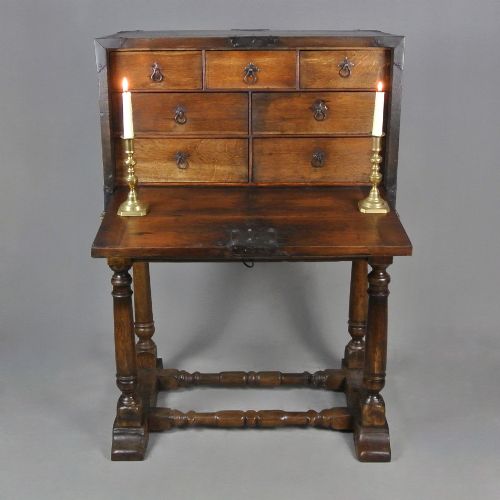
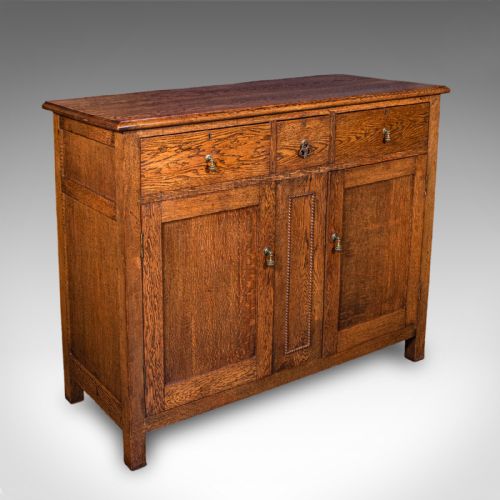
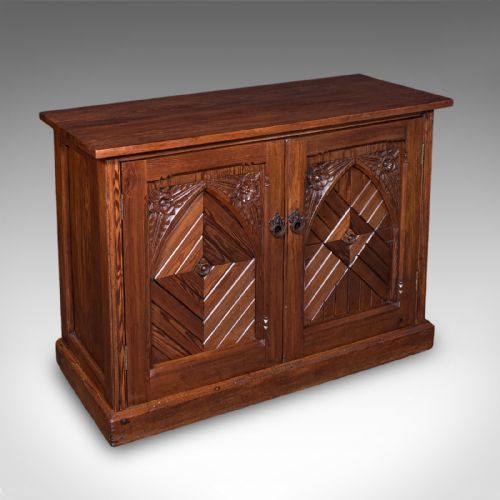
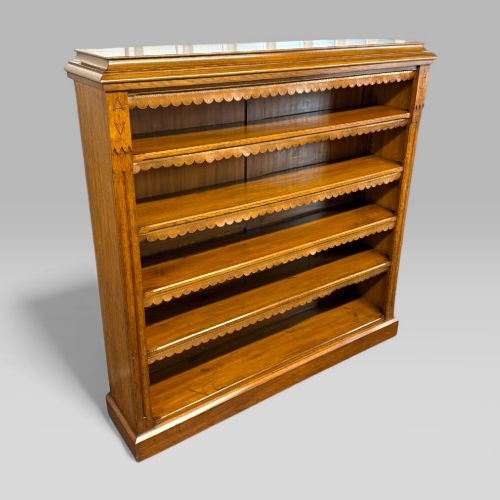
An english brown cabinet covers a broad span of domestic storage furniture made across several centuries. You will find pieces originating from the 17th century up through the Georgian, Regency, and Victorian periods, extending into 1930s art deco designs.
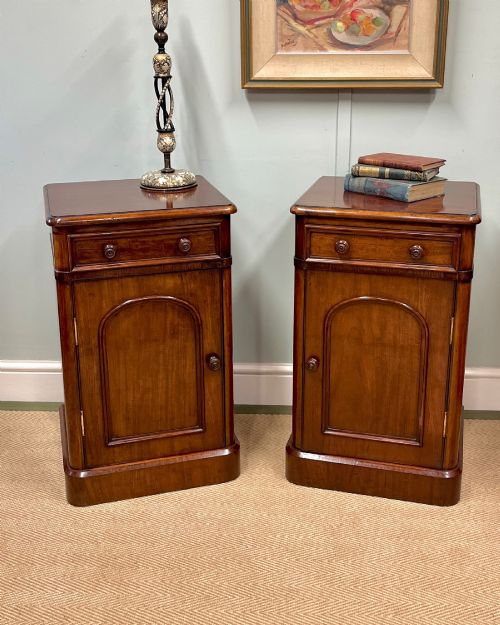
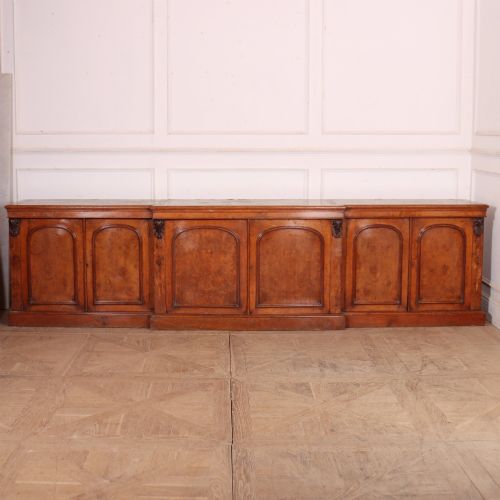
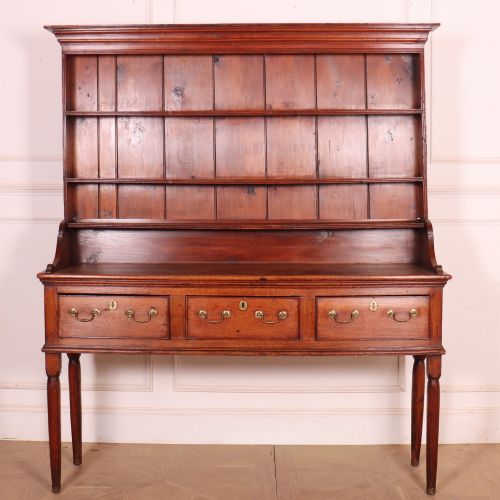
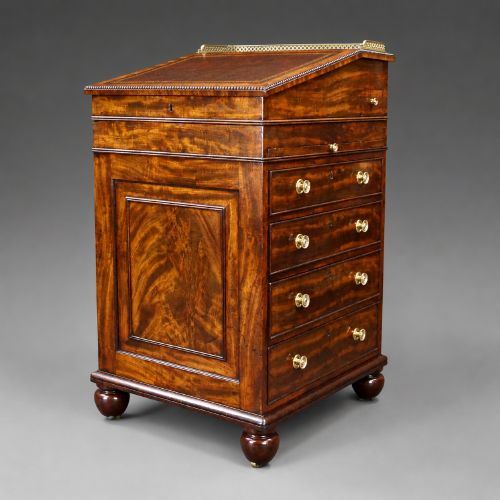
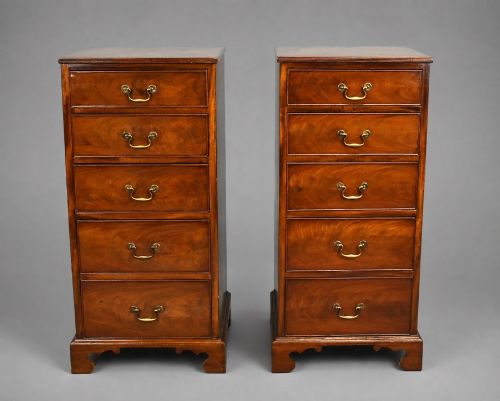
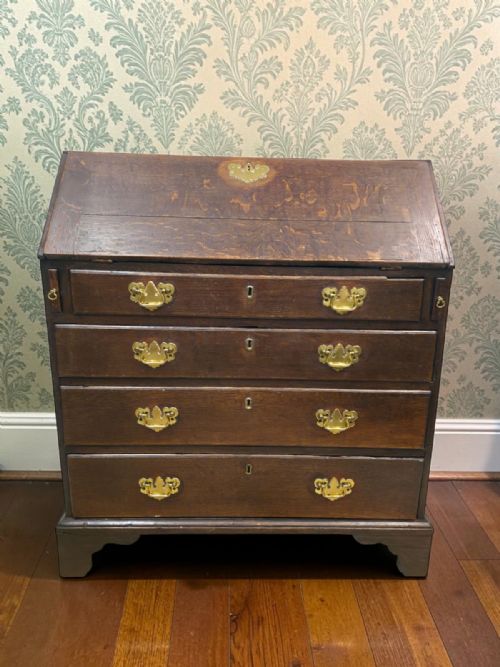
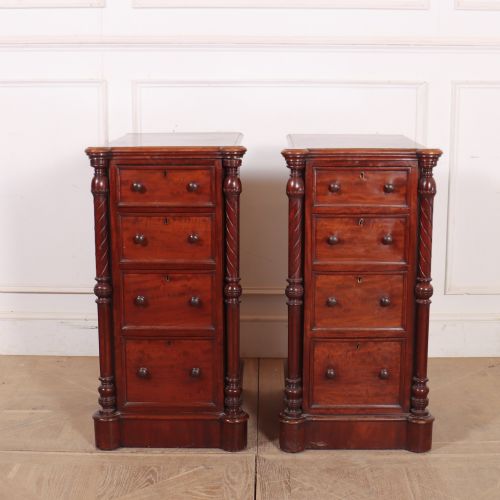
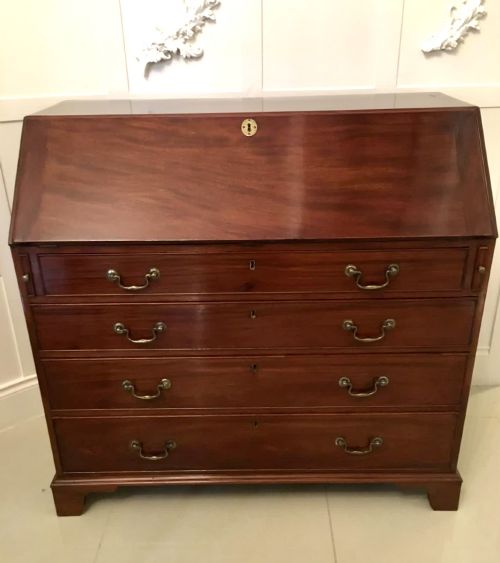
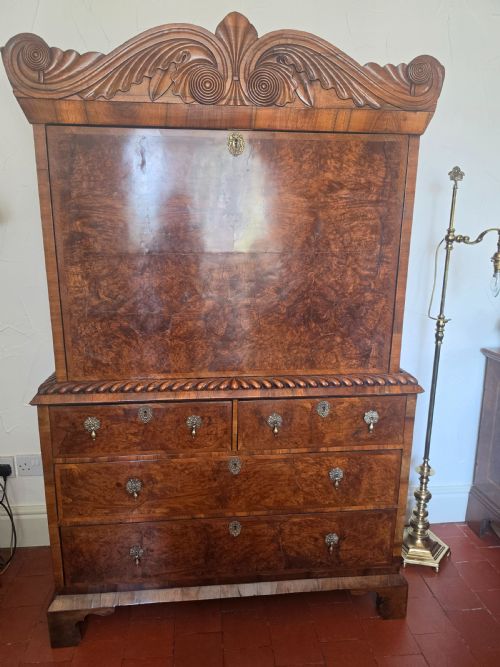
The assortment on this page includes everything from oak court cupboards and walnut escritoires to mahogany bookcases, chests of drawers, and bedside tables. Oak and mahogany appear most frequently among these forms.
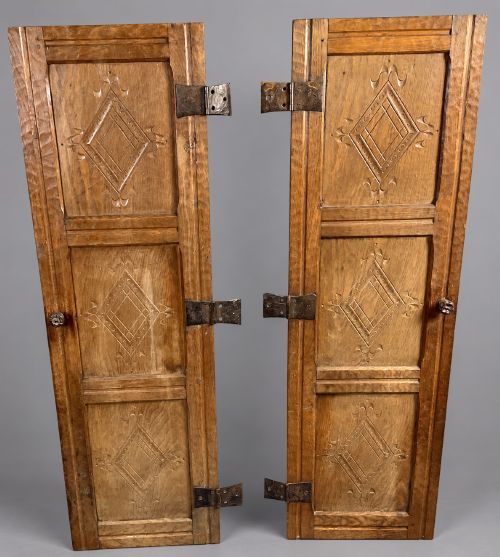
Earlier examples lean towards utilitarian storage in oak, while 18th and 19th-century pieces often incorporate finely figured walnut or mahogany veneers tailored for formal rooms.
Judging the work
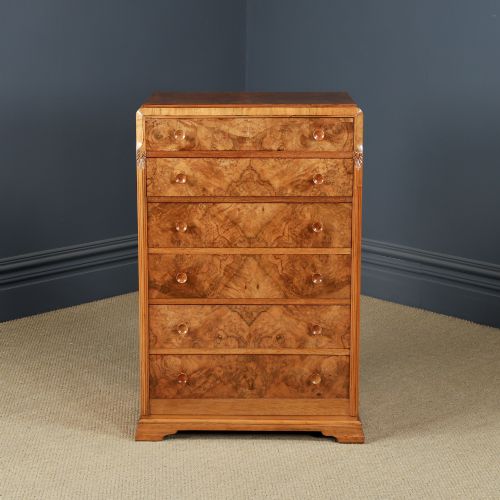
Quality rests in the selection of the timber and the precision of the cabinet work. Pieces featuring well-matched flame mahogany, burr walnut, or figured elm display greater care from the maker.
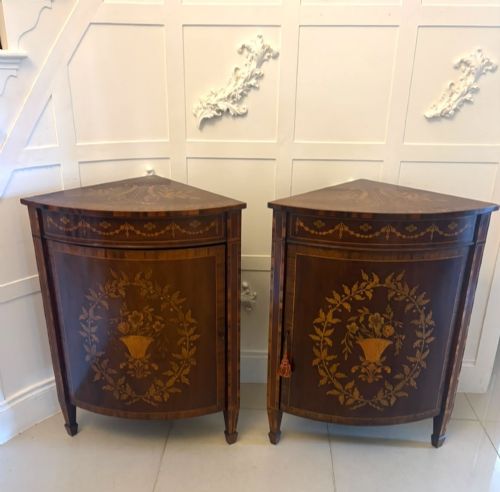
The integrity of the surface finish and the preservation of original patination dictate the standing of a cabinet. Subtle details like marquetry inlay, original brass hardware, and untouched timber surfaces separate standard utility items from finer examples.
A mouse hides quietly in the woodwork of certain oak pieces, carved by a famous Yorkshire workshop.
Gillows·Mouseman·A. F. Lloyd
The English Brown Cabinet Glossary
- Escritoire
- A writing cabinet featuring a fall-front desk surface concealing small interior drawers and pigeonholes.
- Bureau
- A desk with a sloping hinged lid that drops down to provide a writing surface over a set of drawers.
- Court cupboard
- A heavy oak storage piece originating in the 17th century, typically featuring recessed upper tiers.
- Crossbanding
- A decorative border technique where strips of veneer are laid so the grain runs perpendicular to the main surface.
- Patina
- The surface sheen and colour developed by wood over years of handling, exposure, and polishing.
English Brown Cabinet: Frequently Asked Questions
What is an english brown cabinet?
These pieces comprise a wide variety of wooden storage furniture, including cupboards, bookcases, chests, and writing desks produced in England over several centuries. They serve practical storage needs while displaying the dominant timber styles of their respective eras.
Buyers encounter formats ranging from early 17th-century oak strong boxes to 1930s walnut display cabinets and art deco nightstands.
How do I date an oak cabinet?
Dating relies on observing construction methods, joinery types, and hardware alongside the characteristics of the wood. Early pieces from the 17th century often use heavy framed panels and hand-carved details.
Later Victorian and Edwardian iterations utilise machine-sawn timbers, standardised brass fittings, and different assembly techniques.
Where were these cabinets placed?
Historically, these items sat in libraries, morning rooms, bedrooms, and dining spaces depending on their specific form. Bookcases and writing desks suited studies, while corner cupboards and sideboards belonged in dining areas.
Bedside tables and chest formats naturally functioned in sleeping quarters for personal storage.
How do I care for antique wood?
Maintaining these surfaces requires keeping them away from direct heat sources and strong sunlight that can dry out the timber and fade the finish. Regular dusting with a soft cloth preserves the existing wax or polish.
Avoid commercial silicone sprays and rely instead on traditional beeswax formulations when nourishment is needed.