


English Brown Bureau
An english brown bureau brings together rich timbers and practical writing compartments, offering a classic focal point for a traditional study.
English Brown Bureau
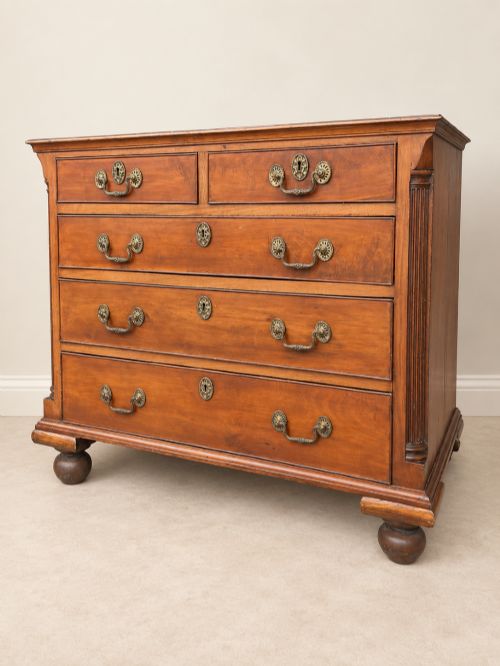
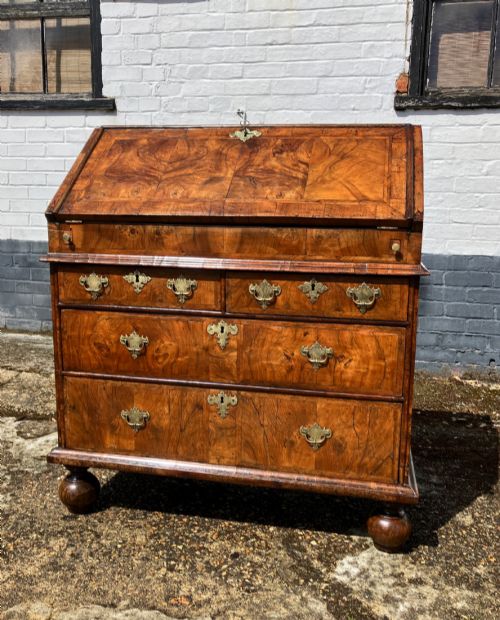
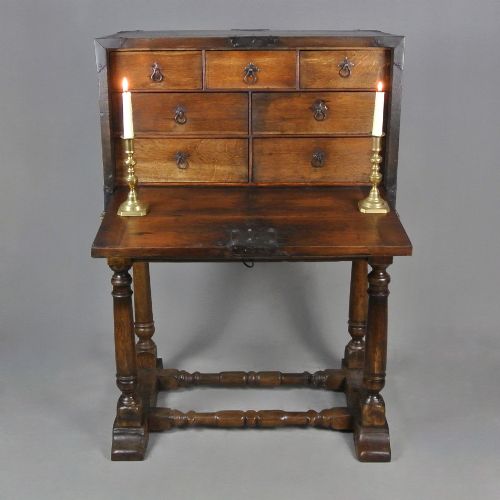
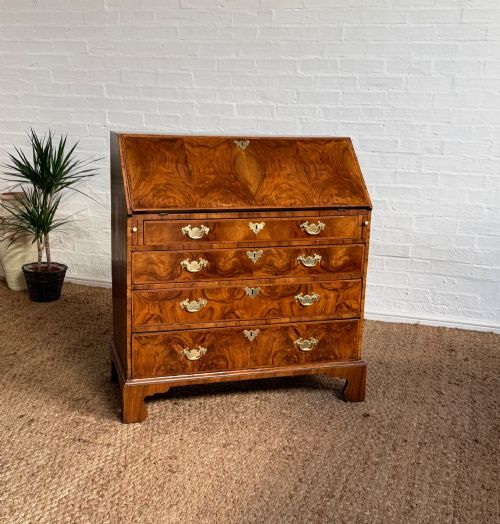
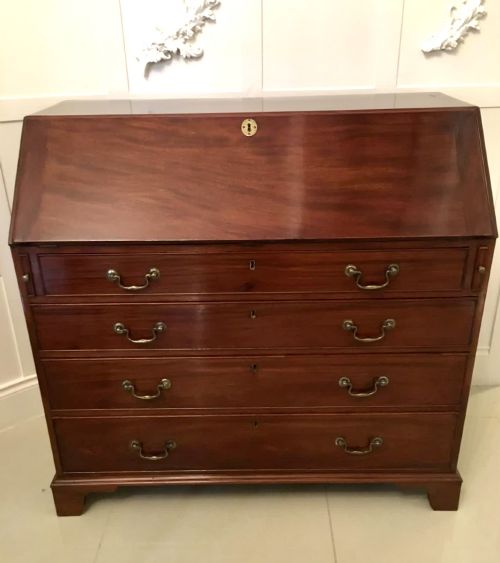
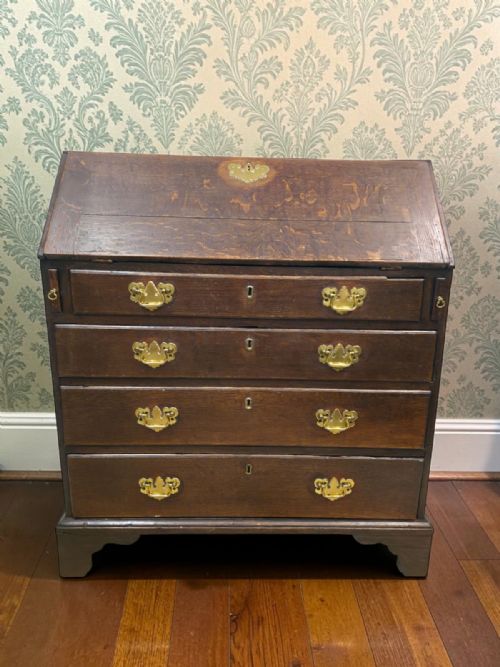
An english brown bureau is a traditional writing cabinet, most commonly encountered in walnut, mahogany, or oak from the Georgian and 18th-century periods. These pieces combine a set of drawers with a hinged fall-front writing flap that opens to reveal internal pigeonholes and small compartments.
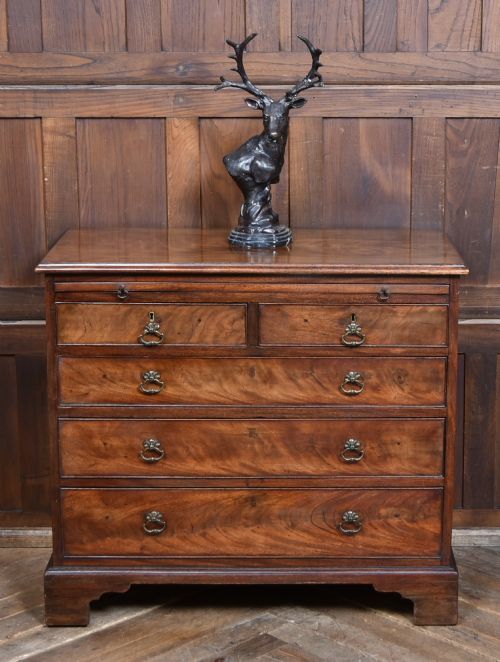
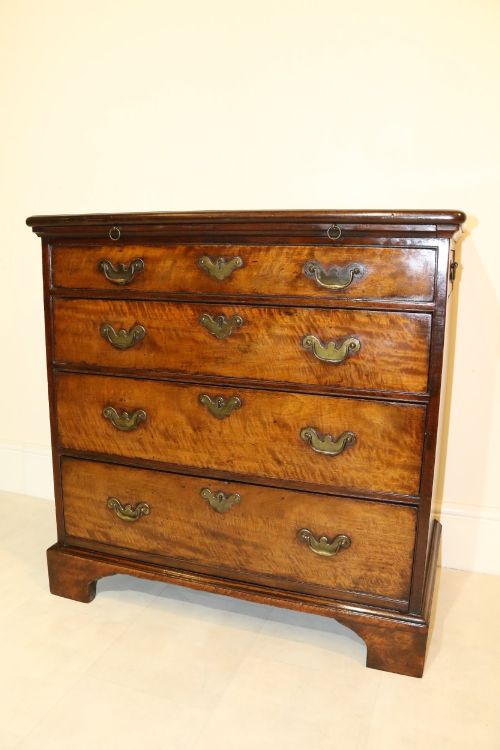
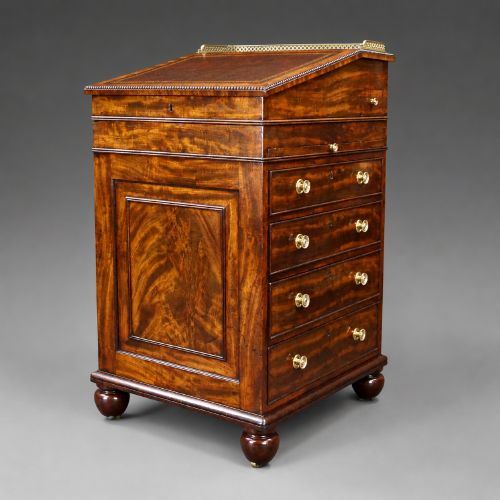
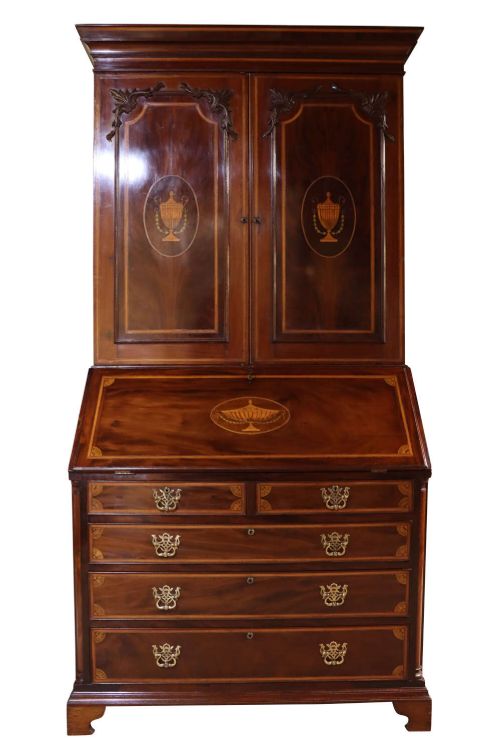
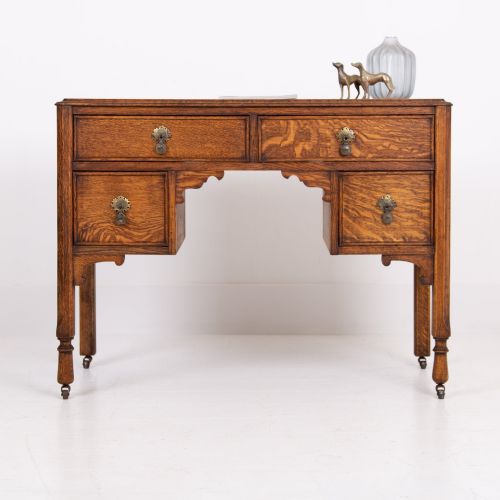
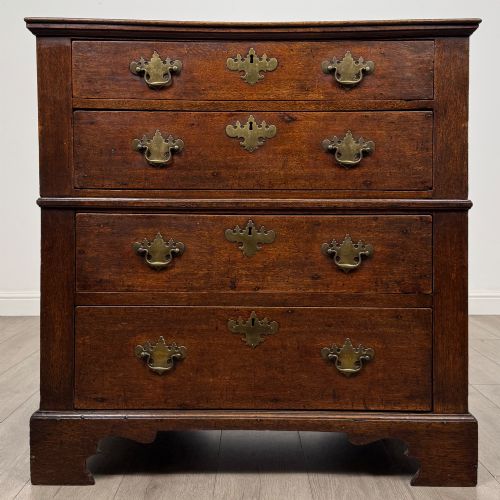
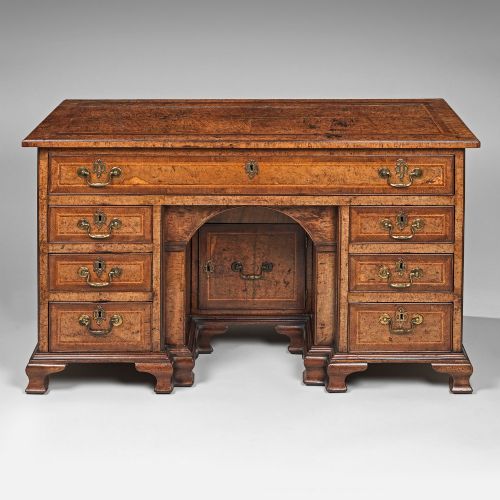
The selection also includes related forms such as bureau bookcases, kneehole desks, and bachelor chests that share the primary characteristic of dedicated writing provisions. Pieces range from modest oak examples to elaborate burr walnut and flame mahogany variants with integrated leather writing surfaces.
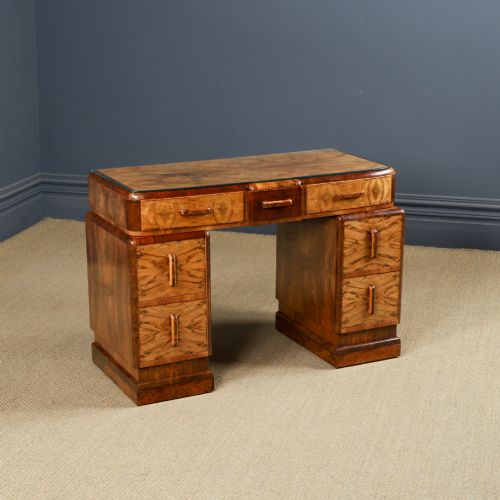
Origins span several centuries, with particular emphasis on Georgian designs alongside earlier seventeenth-century walnut iterations and later art deco interpretations. Buyers encounter compact pedestal desks and tall cabinet formats alongside standard fall-front writing desks.
Materials and Construction Techniques
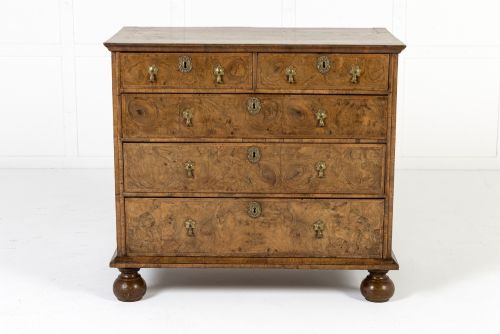
Construction relies heavily on dense cabinet timbers such as mahogany, walnut, and oak, often enhanced by decorative veneers including burr walnut and burr elm. Timber choice dictates the primary tone of the piece, ranging from deep dark red-browns to rich figured golden hues.
Cabinetmakers utilised traditional joinery methods, incorporating solid drawer linings, dovetail joints, and timber cross-banding or feather-banded borders. Brass hardware such as escutcheons and drop handles completes the construction, complemented occasionally by inset leather writing surfaces.
English Brown Bureau Retail Price Guide 2026
Typical asking prices for english brown bureau among the pieces listed under this phrase on Sellingantiques today, from the lower quarter to the upper quarter. They describe what is for sale here now, not the wider market.
Listings feature periods spanning from the seventeenth century through to nineteen-thirties art deco designs.
Distinctions in Quality and Execution
Quality separates pieces through the selection of timber figure, such as highly figured flame mahogany or choice burr walnut veneers, compared to plain or heavily restored surfaces. The crispness of internal drawer construction and the subtlety of decorative stringing or inlay also indicate superior craftsmanship.
Proportion and structural integrity define the higher tiers of the range, where original brasses, undisturbed patination, and well-balanced cabinet proportions remain intact. Lesser examples display heavy timber replacement or compromised internal fittings that alter the original character.
Gillows·Robert Mouseman Thompson
The English Brown Bureau Glossary
- Fall-front
- A hinged writing flap that pulls down to provide a horizontal surface for correspondence. It typically conceals a fitted interior of small drawers and pigeonholes.
- Kneehole desk
- A compact writing table featuring a central recess for the user's legs, flanked by pedestals of small drawers. This form appears frequently in walnut and mahogany.
- Bureau bookcase
- A tall cabinet combining a lower writing bureau section with upper shelving enclosed by glazed or solid doors. These architectural pieces provide substantial storage capacity.
- Feather-banding
- A decorative inlay technique using veneer strips arranged in a herringbone pattern around the borders of drawer fronts or tabletops. It requires high precision from the maker.
- Escutcheon
- A protective plate surrounding a keyhole, usually cast in brass. It serves both a functional and a decorative purpose on cabinet doors and drawers.
English Brown Bureau: Frequently Asked Questions
What is an english brown bureau?
An english brown bureau is a wooden writing desk featuring a sloping fall-front flap that opens to reveal internal compartments and drawers.
These pieces typically date from the seventeenth, eighteenth, or nineteenth centuries and utilise timbers such as oak, walnut, and mahogany.
How do I use a bureau?
Lower the hinged fall-front flap to create a stable writing surface supported by internal wooden arms.
Store stationery and small items within the internal pigeonholes and use the lower chest drawers for general storage.
How do I date an antique bureau?
Examine the timber species, construction joinery, and hardware styles to determine the likely period of manufacture.
For instance, walnut predominated in the late seventeenth and early eighteenth centuries, while mahogany became prominent during the Georgian era.
Where should I place a bureau?
Position the bureau against a sturdy interior wall in a study, living room, or hallway away from direct heat sources.
Ensure adequate clearance in front of the piece for the fall-front flap to open fully without obstruction.