





English Brass Mirror
These English brass mirror pieces combine functional glass with polished metalwork, offering decorative gleam and period character for any interior.
English Brass Mirror
An English brass mirror encompasses items where brass frames or mountings frame reflective glass, spanning wall-mounted and floor-standing forms. These objects emerge from periods ranging through the eighteenth century, the Regency era, the Victorian age, and into nineteen-thirties Art Deco designs.
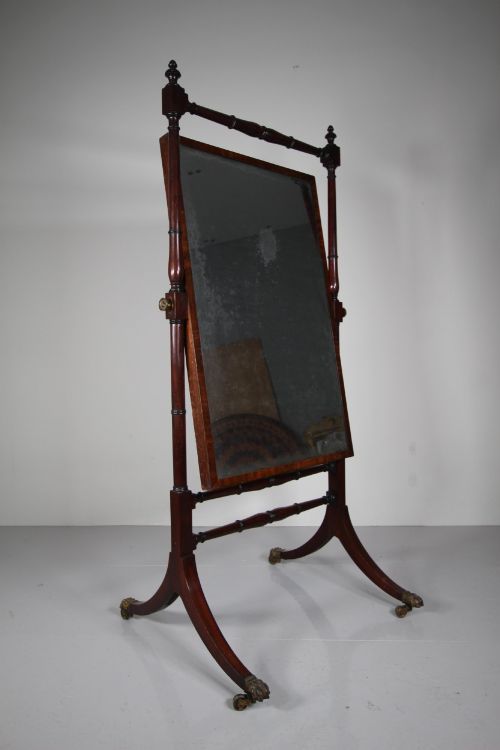
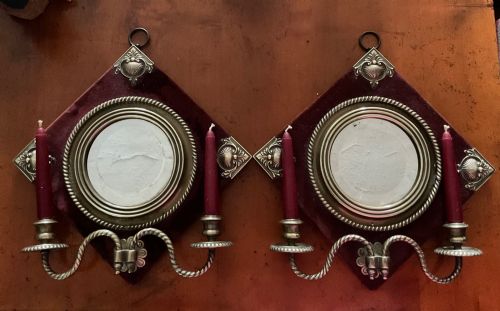
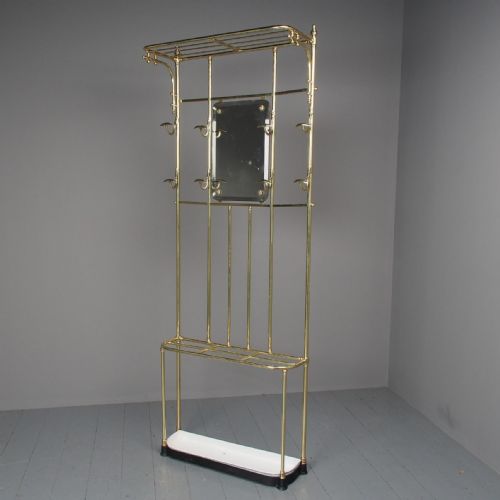
Buyers encounter various formats including cheval mirrors, wall sconces, chiffoniers, sideboards, cabinets, clocks, and hall stands. The selection leans heavily towards decorative items and furniture incorporating mirror glass alongside brass elements.
Origins trace across Georgian, Regency, Victorian, and Edwardian aesthetic movements, uniting traditional cabinet-making woods with bright metallic accents.
Materials and construction
Maker workshops utilised brass for structural frames, inlaid stringing, cast details, and sconce arms, pairing the metal with reflective mirror glass. Timber foundations typically feature mahogany, rosewood, or general wood substrates depending on the specific furniture type.
Construction techniques combine traditional cabinet making for wooden carcasses, such as sideboards and chiffoniers, with cast or fabricated brass mounts and bezels. Glass is fitted securely into moulded wooden or metal rebates to form the reflective surfaces.
English Brass Mirror Retail Price Guide 2026
Typical asking prices for english brass mirror among the pieces listed under this phrase on Sellingantiques today, from the lower quarter to the upper quarter. They describe what is for sale here now, not the wider market.
Current listings feature materials such as brass, glass, rosewood, mahogany, and fabric across multiple historical periods.
Judging quality in these pieces
Quality rests upon the crispness of brass casting and the retention of original gilding or polished surfaces, distinguishing finely detailed work from simpler production. The integration of brass inlay within rosewood or mahogany carcases reflects superior craftsmanship in period furniture.
The clarity and preservation of the mirror glass itself, alongside the structural integrity of the supporting timber framework, marks the distinction between standard utilitarian items and finer decorative examples.
Smiths
The English Brass Mirror Glossary
- Cheval mirror
- A freestanding full-length mirror hung in a frame that allows it to tilt. It typically stands on four splayed legs or feet.
- Girandole
- A branched wall sconce or candleholder incorporating a mirror to reflect and amplify the light. These fixtures often feature elaborate brass or gilt frames.
- Chiffonier
- A low sideboard or cabinet featuring shelves or a superstructure, popular during the Regency period. They frequently incorporate mirror glass or brass grille doors.
- Regency
- An architectural and decorative style spanning the early nineteenth century in England. It draws inspiration from classical Greek and Roman forms, often utilising rosewood and brass inlay.
English Brass Mirror: Frequently Asked Questions
Where should I place a mirror?
Wall-mounted mirrors and sconces work best opposite windows to reflect natural light and brighten darker corners of a room.
Freestanding cheval mirrors suit dressing areas or bedrooms where full-length reflection is necessary.
How do I clean brass frames?
Dust the brass gently with a soft dry cloth to remove surface particles without scratching the metal.
Avoid harsh chemical polishes that can strip original patination or damage adjacent wood and glass.
What periods are available?
The pieces span several historical eras including the eighteenth century, the Regency period, and the Victorian age.
Twentieth-century examples also appear, specifically featuring Art Deco styling from the nineteen-thirties.
Are all these items mirrors?
While the focus rests on mirrors and reflective sconces, the selection includes related furniture forms.
Sideboards, chiffoniers, cabinets, and clocks often incorporate mirrors and brass fittings as part of their design.