


English Stand
An English antique stand holds everything from porcelain teapots to heavy clocks, offering functional elegance rooted in centuries of craftsmanship.
English Stand
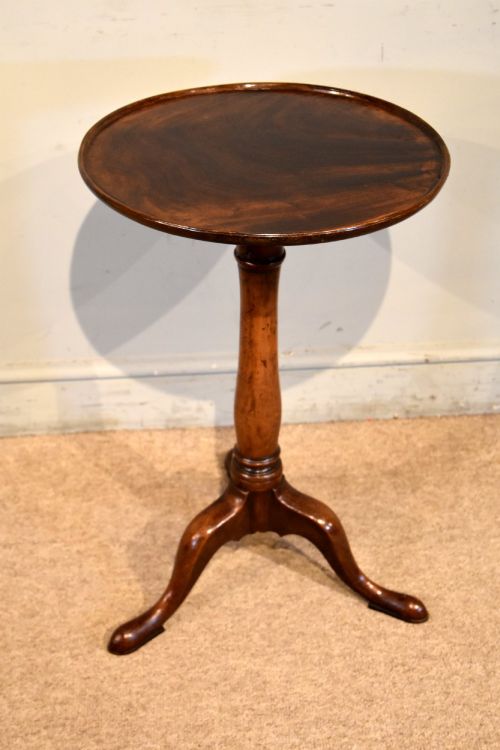
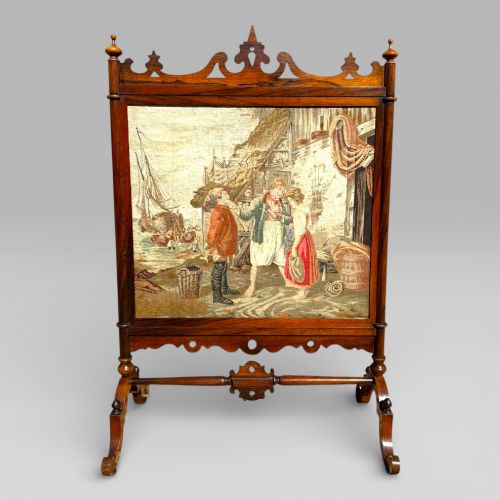
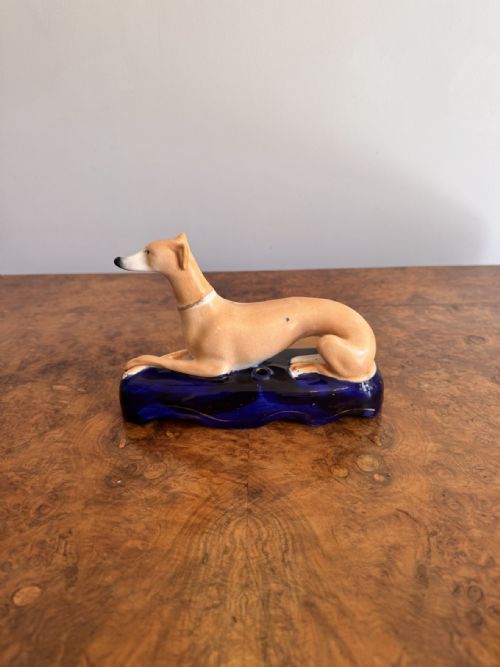
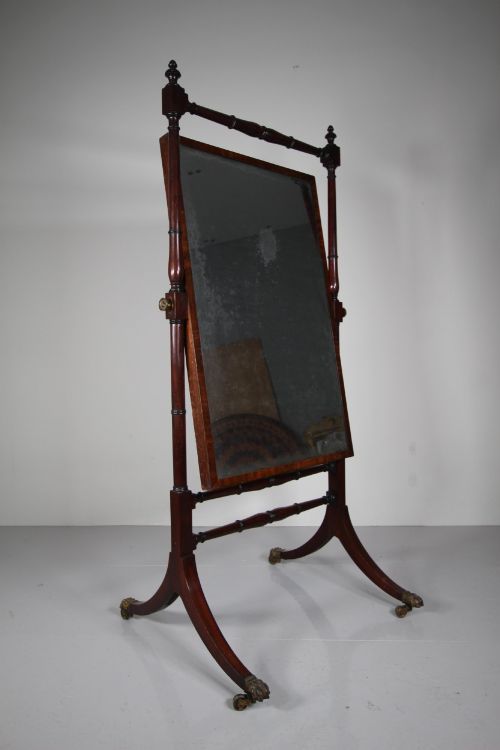
When searching for an English antique stand, collectors encounter a diverse group of objects designed to support, elevate, or house other domestic items. These pieces span from the seventeenth century through the early twentieth century, encompassing utilitarian umbrella holders, delicate porcelain teapots with matching bases, and sturdy tripod tables.
The materials reflect the prevailing domestic tastes of each era, ranging from early oak and walnut to later mahogany, cast iron, and sterling silver. Forms vary widely between centuries, moving from heavy seventeenth century strong boxes to lighter Georgian occasional tables and Victorian hall accessories.
The pieces listed here demonstrate the broad scope of furniture and decorative arts that fall under this category. Buyers meet items designed for specific domestic rituals, such as wine coasters, wig stands, and egg cruets, each sitting upon its own dedicated platform or holder.
Materials and Construction
Makers utilised solid native timbers such as oak, mahogany, walnut, and yew wood, joining them with traditional methods suited to load-bearing furniture and delicate display items alike. Turning, carving, and joinery define the wooden examples, which often employ tripod legs or turned columns for stability.
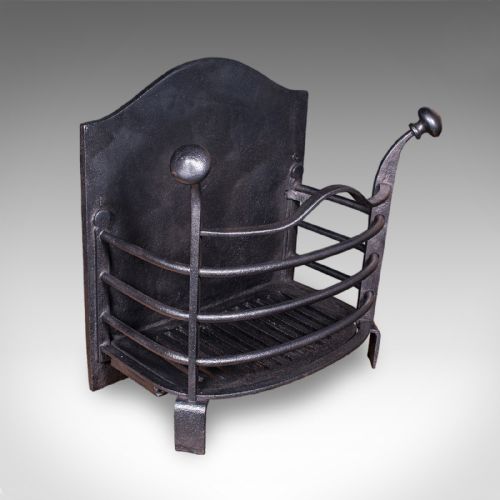
Metalworking techniques shape the examples cast in iron, brass, and sterling silver. Foundry casting produces intricate Victorian umbrella stands and fire grates, while silversmiths hammer and shape precious metals into wine coasters and cruet frames.
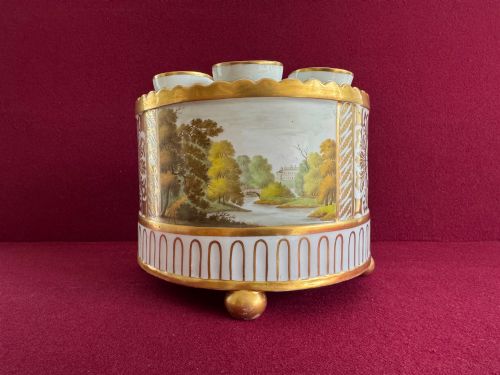
Ceramic stands involve porcelain and ironstone production, where factories like Worcester and New Hall shaped clay, applied enamel colours, and fired pieces to create matching cups, teapots, and bough pots with dedicated bases.
English Stand Retail Price Guide 2026
Typical asking prices for english stand among the pieces listed under this phrase on Sellingantiques today, from the lower quarter to the upper quarter. They describe what is for sale here now, not the wider market.
Early eighteenth-century gentlemen required dedicated wooden stands just to keep their powdered hairpieces from losing their shape overnight.
Distinctions in Quality
The standard of an English antique stand rests upon the crispness of its carving, the selection of timber grain, and the integrity of its original construction. Superior examples retain their original surfaces and fixings, showing minimal intervention over centuries of use.
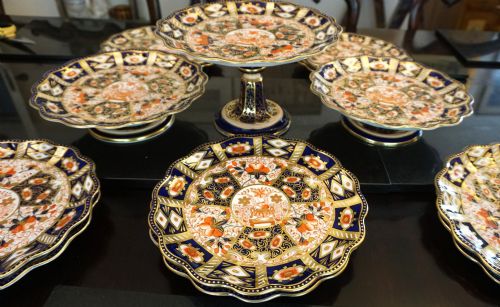
For ceramic and silver pieces, quality emerges through the precision of hand-painted details, clear hallmarks, and the balance of the form. Finer porcelain stands exhibit delicate gilding and evenly applied enamel grounds without firing flaws.
Structural harmony separates everyday utility items from masterwork pieces. Proportion, weight distribution, and the subtlety of turned or carved details indicate the skill of the original workshop.
Walker of Nantwich·Edward White Birmingham·Lee of Great Marlow·Richard Corless of Stockport·Flight Barr And Barr·New Hall·Elkington And Co·H And R Daniel
The English Stand Glossary
- Tripod table
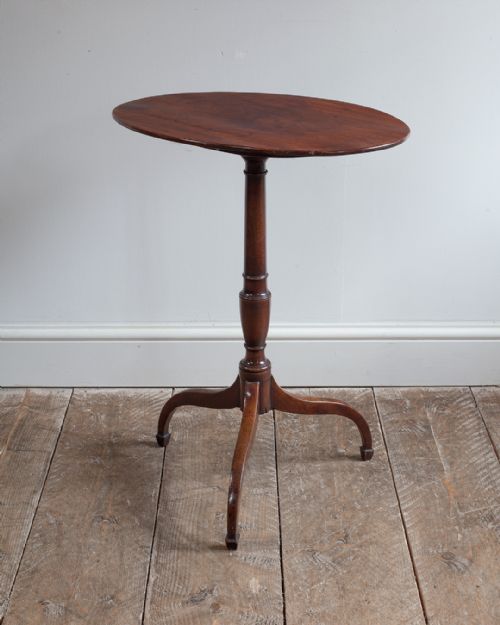
- A small occasional table supported by a central pillar on three legs. These appeared frequently in mahogany and oak throughout the Georgian period.
- Longcase clock
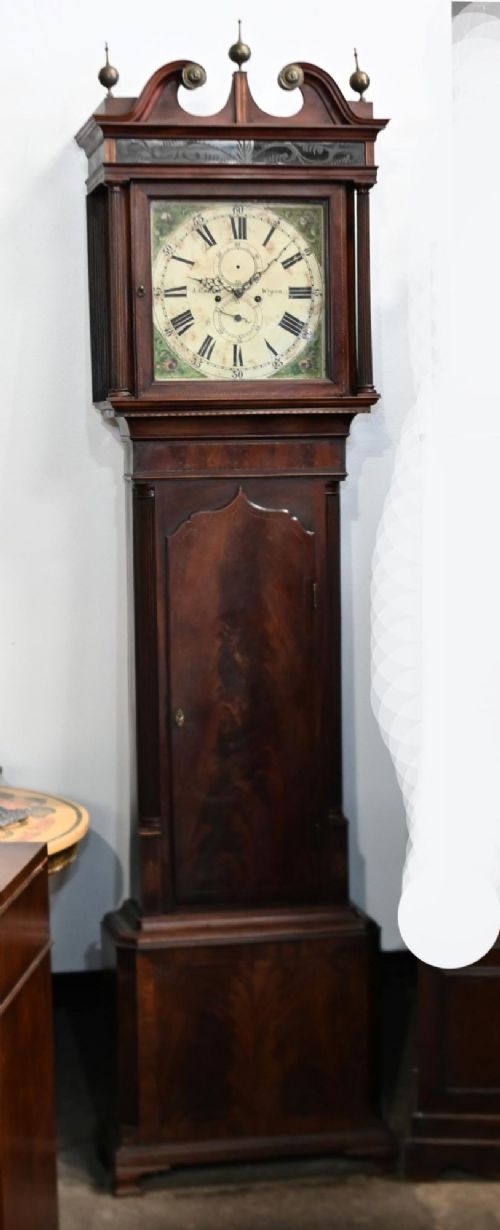
- A tall pendulum clock enclosed in a wooden case that stands directly on the floor. Movements often include moon phases and strike mechanisms housed in oak or mahogany.
- Wine coaster
- A small circular tray or stand designed to hold a wine bottle on the dining table. They frequently feature sterling silver rims or turned mahogany bases.
- Teapot and stand
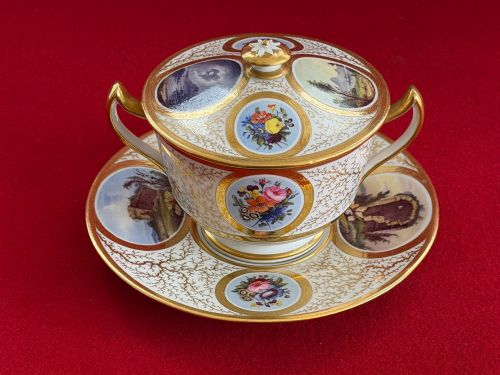
- A paired set comprising a ceramic vessel and a matching small plate or base. First period Worcester and New Hall factories produced notable examples during the eighteenth century.
- Chest on stand
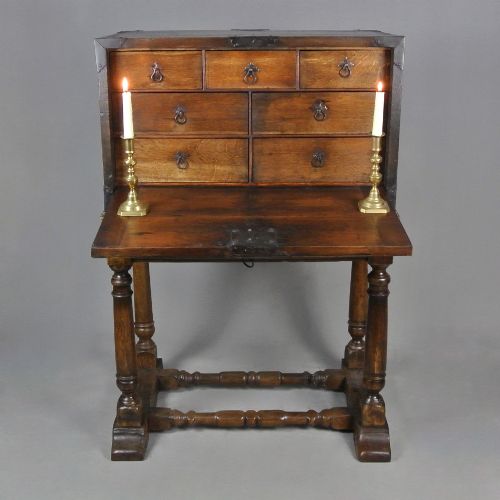
- A two-part storage furniture form where a set of drawers sits elevated upon an independent framed base with legs. Walnut and oak examples date back to the seventeenth and eighteenth centuries.
English Stand: Frequently Asked Questions
What is an antique umbrella stand?
An antique umbrella stand is a domestic hall furnishing designed to hold walking sticks and wet umbrellas upright. They were typically cast in iron or built from wood during the Victorian era.
These pieces kept hallways tidy and protected floors from dripping water. They often feature built-in drip trays at the base to catch moisture.
How do I date an oak longcase clock?
Dating an oak longcase clock involves examining the dial width, movement type, and cabinet construction. Earlier seventeenth and eighteenth-century examples often feature brass dials with square plates.
Maker signatures inscribed on the dial face provide direct historical context. Regional clockmakers frequently signed their work, allowing researchers to trace the origin of the piece.
What was a wig stand used for?
A wig stand served as a dedicated wooden support for powdered wigs when they were not being worn. They date to the early eighteenth century when peruffs formed part of fashionable daily dress.
Craftsmen turned these pieces from dense timbers like yew wood to ensure stability. They stand as uncommon survivals of Georgian personal grooming habits.
Where were porcelain teapot stands made?
Porcelain teapot stands were produced by prominent English factories including Worcester, New Hall, and various Staffordshire potteries. These establishments shaped fine paste porcelain during the late eighteenth and early nineteenth centuries.
Such stands protected polished wooden tabletops from heat damage. They were painted by hand with floral or geometric patterns matching the teapot.