

English Seat
An english antique seat brings centuries of domestic history into a room, offering functional comfort forged from native timbers like oak, elm, and mahogany.
English Seat
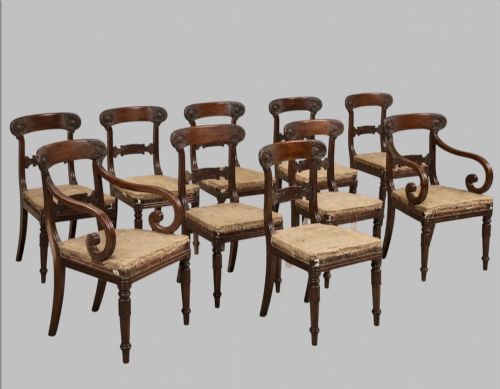
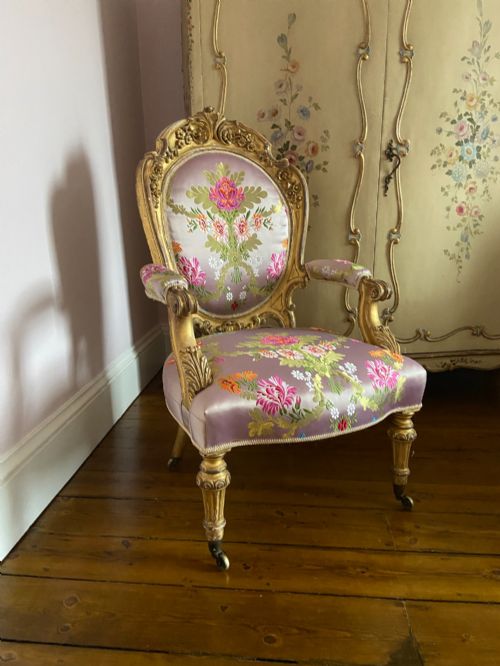
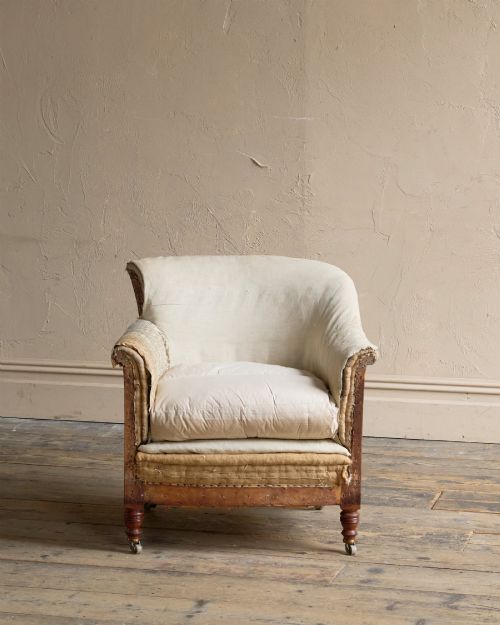
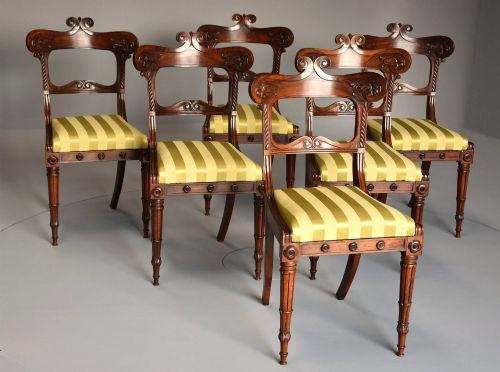
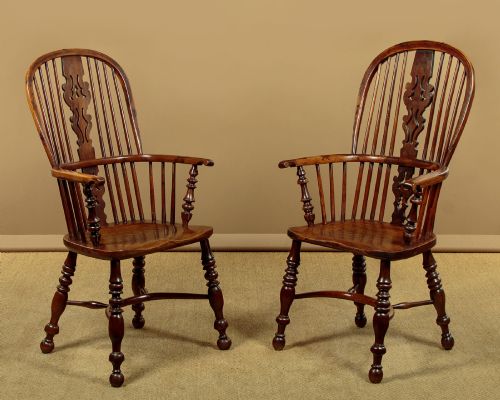
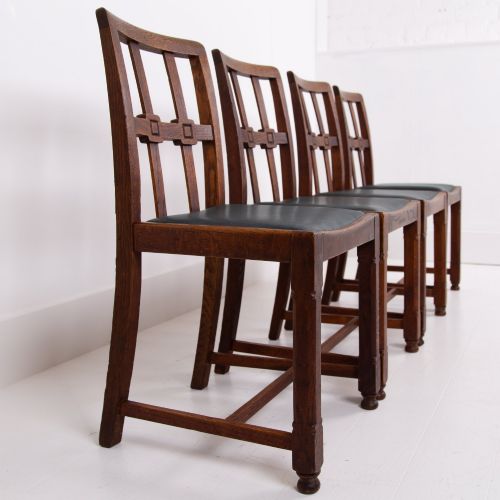
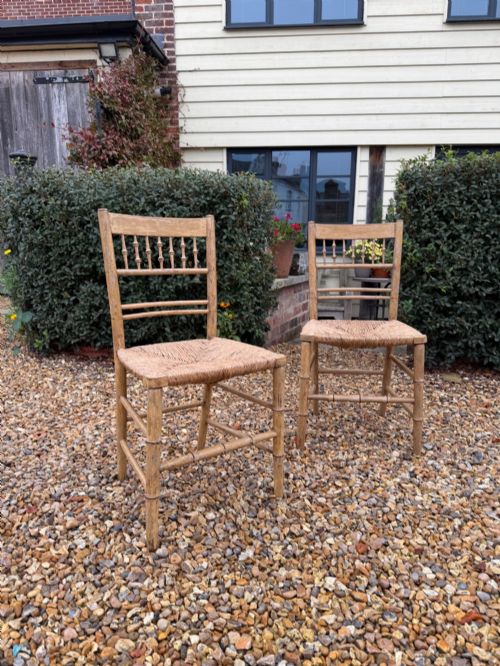
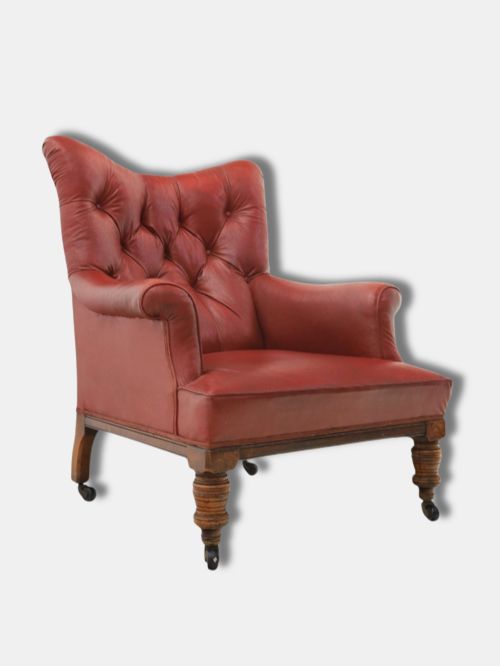
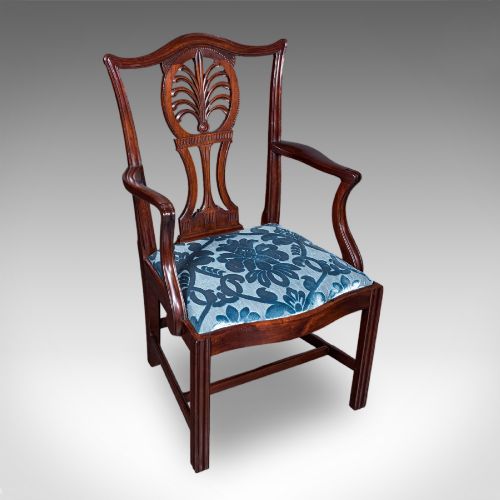
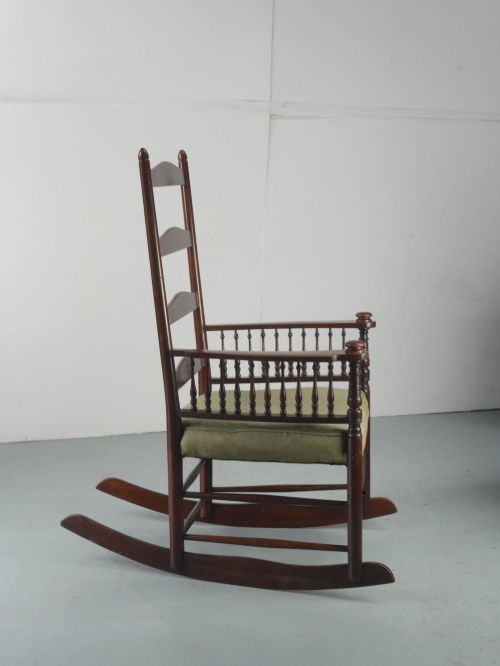
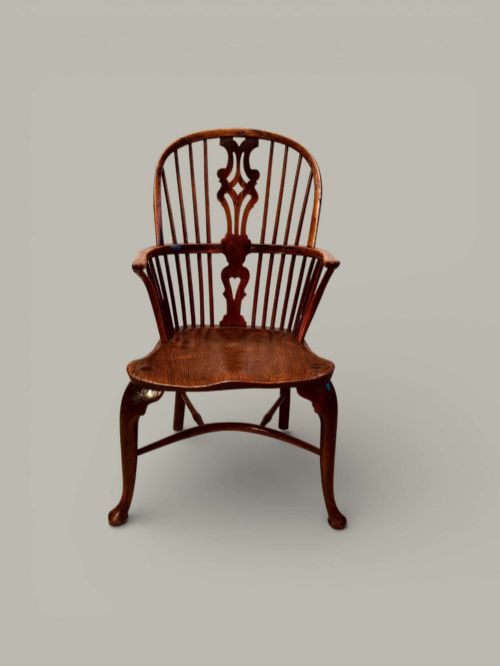
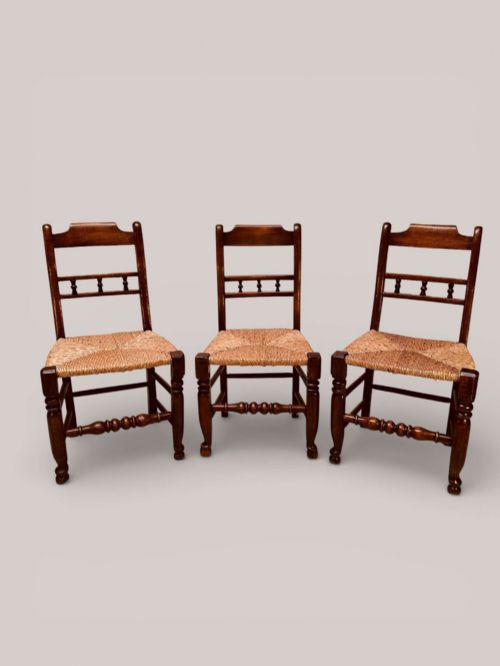
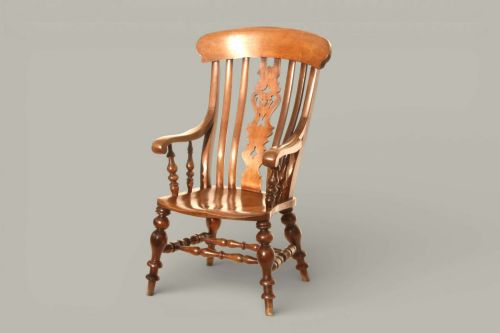
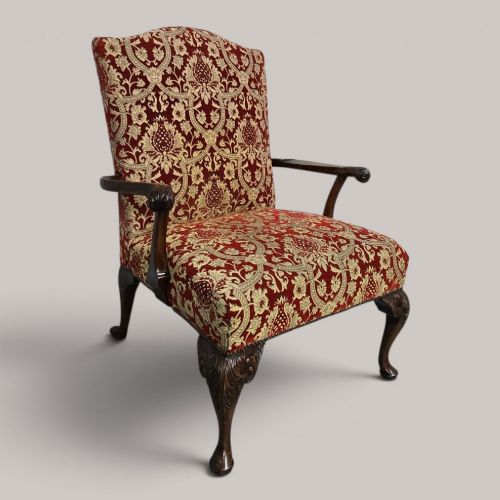
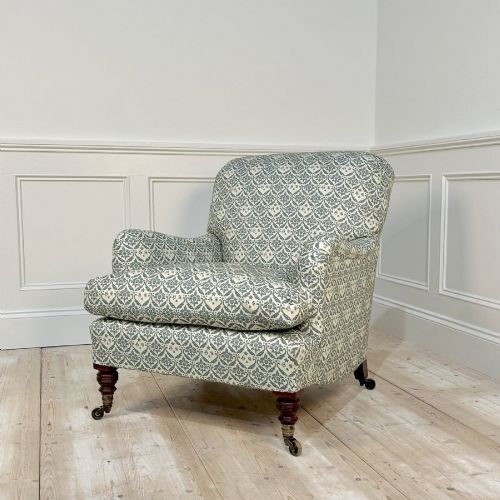
When you search for an english antique seat, you encounter a remarkably broad taxonomy spanning sturdy seventeenth-century joint stools, refined mahogany dining chairs, and robust vernacular Windsor armchairs. The selection here leans heavily towards seating designed for everyday domestic utility, from high-backed kitchen chairs to upholstered parlour armchairs originating across various English counties.
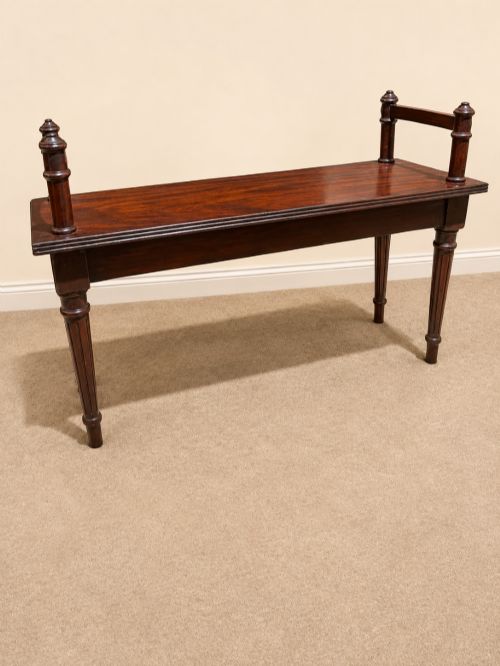
Beyond standard dining and desk chairs, the category encompasses benches, footstools, settees, and specialised library or office seating. These pieces reflect the shifting social habits of households over four hundred years, moving from stiff formality to deep, padded relaxation.
Materials and Technique
Cabinet makers and vernacular bodgers relied on native hardwoods selected for specific structural demands, pairing flexible ash for spindle bentwoods with dense elm for scooped seats and durable oak for joined framing. Joints were pegged, mortised, and tenoned to withstand generations of shifting weight without the aid of modern adhesives.
Upholstered forms utilised webbing, horsehair stuffing, and durable covering materials like leather or damask, secured with iron tacks over sprung or webbed bases. Turning lathes shaped spindles and legs, while hand-adzes and travellers hollowed out solid timber seats for ergonomic comfort.
English Seat Retail Price Guide 2026
Typical asking prices for english seat among the pieces listed under this phrase on Sellingantiques today, from the lower quarter to the upper quarter. They describe what is for sale here now, not the wider market.
The inventory includes seating forms ranging from low back Windsor chairs and joint stools to large upholstered settees.
Judging Quality
The highest tier of these seats exhibits original timber surfaces with deep patination accumulated through centuries of touch and polish, whereas lesser or heavily restored examples have been stripped down and re-finished aggressively. Originality of components matters immensely; a Windsor chair retaining its exact set of turned spindles and un-replaced legs commands greater regard than one assembled from disparate parts.
Structural integrity separates daily survivors from decorative casualties, visible in the tightness of joints and the retention of proportional balance. Subtle details like crisp carved details on mahogany shield backs or deeply sculpted saddle seats indicate the hand of a master maker rather than a provincial jobbing carpenter.
Howard And Sons·Maple And Co·Liberty·William Morris
The English Seat Glossary
- Windsor chair
- A wooden chair constructed with a solid sculpted seat into which the legs and back spindles are directly socketed. This form relies on turned wooden components and a bentwood bow or comb for structural support.
- Joint stool
- A sturdy wooden stool built with mortise and tenon joints fastened by wooden pegs rather than nails. These pieces date predominantly from the seventeenth century and served multi-purpose domestic functions.
- Carver
- A traditional term for an armchair, usually designed to match a set of smaller side chairs intended for the head of a dining table. They frequently feature broader arms and more elaborate splats.
- Shield back
- A chair back style shaped in the outline of a heraldic shield, popular during the late eighteenth century in neoclassical furniture design. This form allows for delicate carved splats and pierced wooden supports.
- Settee
- A long wooden or upholstered seat with a back and arms, designed to accommodate multiple people. They evolved from benches and daybeds during the late seventeenth and eighteenth centuries.
English Seat: Frequently Asked Questions
How do I identify a Windsor chair?
A Windsor chair is easily recognised by its thick wooden saddle seat into which the undercarriage legs and upper back spindles are inserted directly. They often feature a bentwood bow or hoop forming the backrest, sometimes supported by a central splat.
Most regional examples utilise mixed native timbers such as elm for the seat and ash or beech for the turned members. Their construction lacks standard vertical chair posts, relying instead on the thick seat slab to anchor the entire framework.
Were oak joint stools used as tables?
Seventeenth-century joint stools were primarily utilised for seating at a time when chairs remained status symbols reserved for heads of households. However, their sturdy flat tops and rigid frames made them convenient portable surfaces for holding plates, lamps, or books.
Their heavy construction allowed them to double as steps when reaching high shelves in modest dwellings. This dual utility explains their survival in relatively large numbers across centuries of domestic use.
How should I care for antique leather?
Antique leather upholstery requires gentle cleaning using specialised saddle soaps or damp cloths to remove surface dust without stripping natural oils. Avoid placing leather seats near direct heat sources or strong sunlight, which causes the material to dry and crack.
Applying a microcrystalline wax or specialist leather conditioner periodically helps maintain suppleness and protects historical patination. Gentle maintenance preserves the material integrity established over generations of use.
What defines a Thames Valley Windsor?
Thames Valley Windsors are distinguished by their generous proportions, distinctive crinoline stretcher bends, and characteristic use of yew wood for the comb piece and arms. The workshops operating in this region produced chairs with highly figured elm seats and elaborate turned spindles.
These pieces represent some of the finest vernacular woodworking traditions in English furniture history. Their craftsmanship combines structural robustness with refined sculptural lines not found in standard regional kitchen chairs.