

English Ring
When you search for an english antique ring, you are looking at items spanning from the Georgian and Victorian eras through to the Art Nouveau and early twentieth-century periods.
English Ring
An english antique ring encompasses items fashioned from gold, featuring stones such as amethyst, sapphire, and diamond. The available selections include boat rings, signet rings, and pieces set with wax seals originating around the nineteenth century.
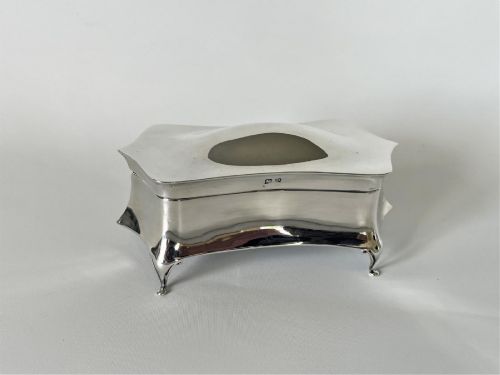
The assortment on this page also includes ring boxes and dressing table ring boxes rendered in sterling silver and tortoiseshell. These fitted containers and cased sets align with the periods represented in the wider inventory.
Makers and origins span various English centres, connecting the jewellery to specific eras like the late nineteenth century and the early nineteen-hundreds. Buyers encounter both personal adornments and the small silver vessels designed to hold them.
What varies in quality
Quality differences emerge in the crispness of the gold work and the secure setting of gemstones like sapphires and diamonds. The depth of engraving on signet rings and the preservation of original cases also set examples apart.
For silver ring boxes and containers, the weight of the metal and the integrity of internal tortoiseshell panels dictate the standard. Pieces retaining clear hallmarks and original fitted velvet interiors represent the higher tier.
English Ring Retail Price Guide 2026
Typical asking prices for english ring among the pieces listed under this phrase on Sellingantiques today, from the lower quarter to the upper quarter. They describe what is for sale here now, not the wider market.
Listings span multiple centuries, incorporating nineteenth-century gold rings alongside sterling silver dressing table boxes marked in Birmingham.
Jonathon Lowndes·Thwaites of London·William Speakman·Benj Reeves Lamberhurst·Richard Gibbs London·William Clement of Totnes·John Wylde
The English Ring Glossary
- Boat ring
- A ring featuring a curved, boat-shaped setting that typically holds a central cluster of stones. This style is frequently observed in Victorian jewellery.
- Signet ring
- A ring bearing a carved or raised design, often utilised for pressing into wax to seal documents. Examples from the nineteenth century may include accompanying wax seals.
- Hallmark
- An official stamp applied to precious metals indicating purity, origin, and assay office. English pieces often display marks corresponding to cities like Birmingham.
- Tortoiseshell
- The mottled brown material derived from the shell of certain turtle species, applied as decorative veneer on boxes. It frequently accompanies sterling silver mounts in dressing table accessories.
English Ring: Frequently Asked Questions
What periods do these rings come from?
The selection includes pieces originating from the Georgian, Victorian, and Edwardian eras, extending into the early twentieth century. Art Nouveau examples from around nineteen hundred also appear.
Specific dating relies on styles, gold standards, and official hallmarks stamped directly onto the metalwork by period assay offices.
How were antique ring boxes used?
Dressing table ring boxes and fitted jewellery boxes provided secure storage for personal adornments when not being worn. They kept small items protected from dust and misplacement.
Many incorporate velvet linings and tortoiseshell exteriors, reflecting the domestic habits of Victorian and Edwardian households.
Are stones in antique rings genuine?
The rings listed feature traditional gemstones such as amethysts, diamonds, and sapphires set into gold bands. These materials reflect the prevalent jewelling practices of their respective periods.
Craftsmen mounted these stones by hand, often utilising claw or flush settings appropriate to the design style.