



English Display Case
An english antique display case gathers your most treasured objects behind glass, bringing order and protection to a room.
English Display Case
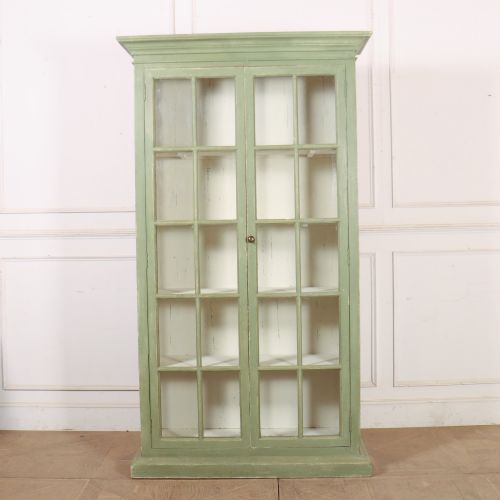
An english antique display case appears in several distinct forms across this selection, ranging from tall standing cabinets to small tabletop domes and corner cupboards. Buyers seeking to showcase collections will find floor-standing glazed bookcases, wall-mounted cabinets, and specialised bijouterie tables designed for tabletop viewing.
The domestic interior shapes these pieces, with corner cabinets designed to utilise awkward angles and pier cabinets fitted for narrow wall spaces. Victorian and Edwardian examples dominate the selection, alongside earlier Georgian iterations and 1930s Art Deco walnut pieces.
Specialist enclosures such as taxidermy domes, clock cases, and barographs also populate the inventory, offering glass protection for specific objects. These varied forms reflect how British homes and shops historically protected and presented their valued possessions.
Materials and Construction
Timber frames utilise walnut, mahogany, oak, and ebonised wood, providing robust structural skeletons for extensive glazed panels. Cabinet makers employed fine joinery to support large expanses of glass without compromising the stability of the carcass.
Blown and bevelled glass forms the primary viewing medium, paired with brass hinges, locks, and decorative mounts. Fabric linings occasionally feature within display spaces, contrasting with the polished wood exteriors to highlight the items held inside.
English Display Case Retail Price Guide 2026
Typical asking prices for english display case among the pieces listed under this phrase on Sellingantiques today, from the lower quarter to the upper quarter. They describe what is for sale here now, not the wider market.
The inventory combines walnut, mahogany, and oak pieces, spanning Georgian origins through to Art Deco designs.
Distinguishing Quality
The refinement of the timber grain and the clarity of the glass set the standard for these cabinets. Superior examples display thoughtful proportions, seamless door alignment, and original brass hardware that has aged gracefully.
Intricate detailing, such as leaded glass patterns in Art Deco pieces or fine stringing on Georgian and Victorian cabinetry, separates standard utility furniture from finer commission work.
Harrods·Town and Emanuel
The English Display Case Glossary
- Bijouterie table
- A glass-topped table designed specifically for displaying small ornaments, jewellery, or collections. These pieces often feature hinged lids lined with fabric.
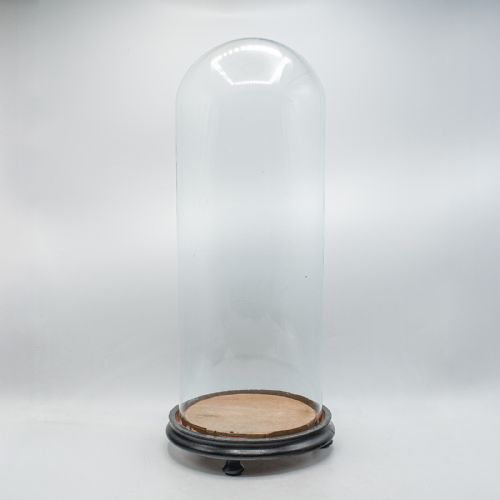
- Display dome
- A blown glass cover mounted on a wooden or pine base, traditionally utilised for protecting taxidermy, clocks, or delicate ornaments from dust.
- Pier cabinet
- A narrow cabinet built to fit the wall space between windows or doors. They frequently incorporate glazed doors to showcase books or porcelain.
- Vetrina
- An Italian term commonly applied to display cabinets or glass-fronted bookcases. It denotes a piece intended primarily for exhibition rather than concealed storage.
English Display Case: Frequently Asked Questions
What is the difference between a display cabinet and a vitrine?
A display cabinet generally refers to a broader category of wooden furniture with glass panels used for general storage and exhibition. A vitrine specifically emphasises maximum glass visibility, often featuring all-glass sides to illuminate objects from multiple angles.
Both terms describe pieces intended to protect items from dust while keeping them visible. Selection depends entirely on whether you prefer a heavy timber presence or a lighter, glass-dominant silhouette in your room.
How do I care for the glass and timber on these cabinets?
Maintenance requires gentle cleaning methods that respect aged materials. Use a soft, dry cloth for polished timber surfaces, avoiding modern silicone sprays that can damage antique finishes.
Glass panels should be cleaned with a mild solution applied to the cloth rather than sprayed directly onto the glass, preventing moisture from seeping into vulnerable old wood frames or fabric linings.
Where should I place a corner display cabinet?
Corner cabinets are designed to fit snugly into ninety-degree room angles, making them ideal for spaces that cannot accommodate standard rectangular furniture. They draw the eye upward and utilise dead space effectively.
Ensure the floor is reasonably level so the doors swing evenly on their original hinges. Placing them away from direct sunlight will protect both the timber finish and any displayed contents from fading.
Can I use a display dome for modern items?
Display domes and cloches accommodate any small object that fits within their glass boundary. Originally utilised for taxidermy, clocks, and botanical specimens, they suit contemporary sculptures or personal curiosities equally well.
The clear glass cover lifts away from the wooden base, allowing you to arrange and rearrange your chosen items with ease.