


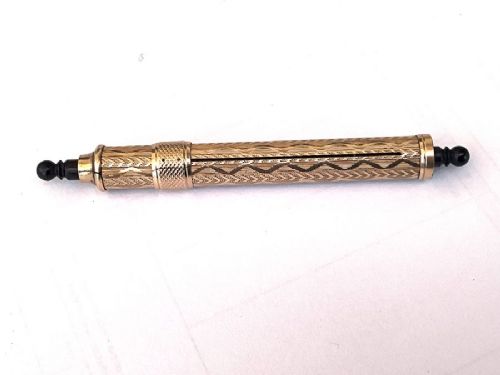
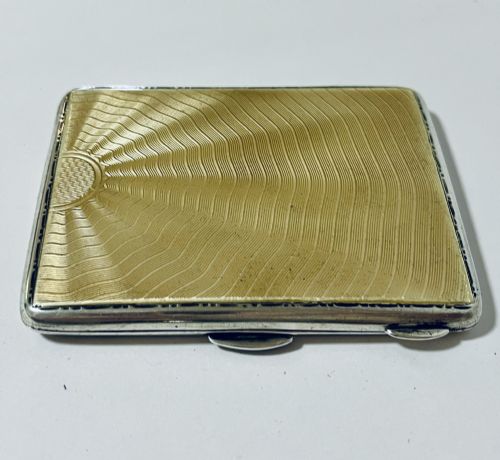
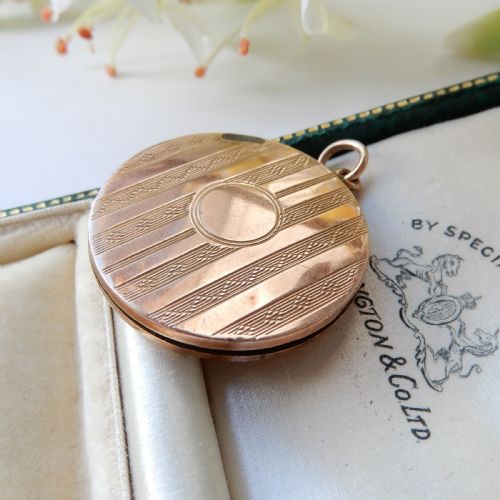


Engine Turned Gold
Engine turned gold describes objects adorned with precise geometric patterns cut into the metal by hand or machine.
Engine Turned Gold
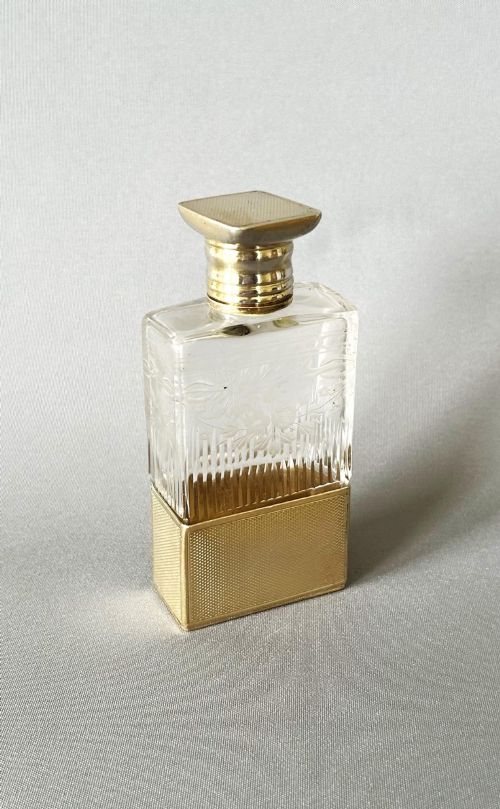
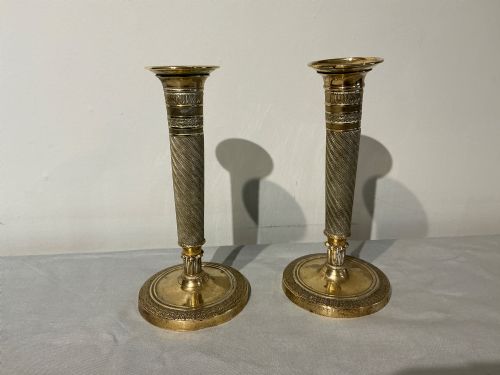
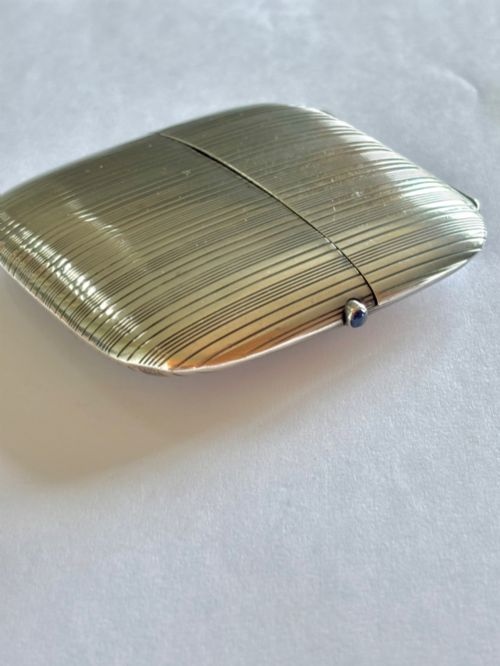
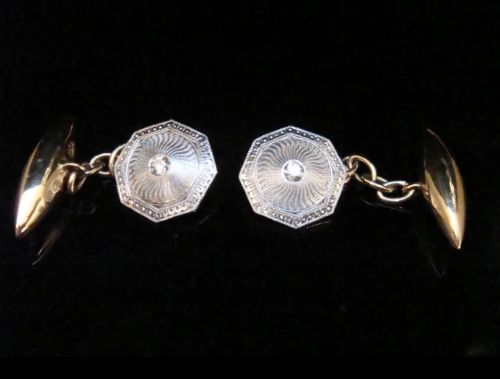
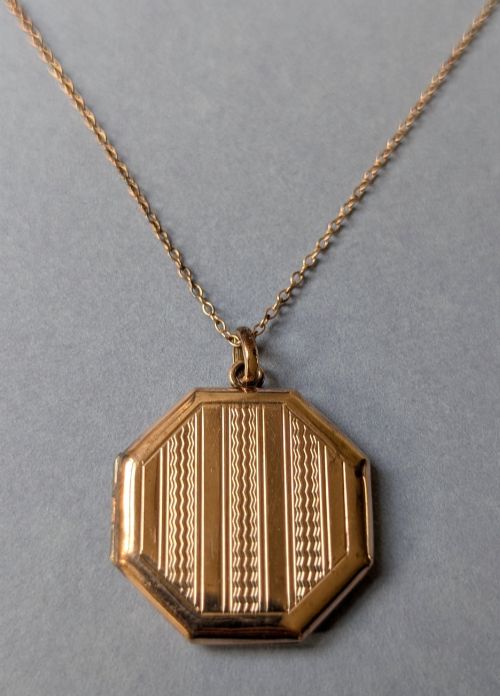
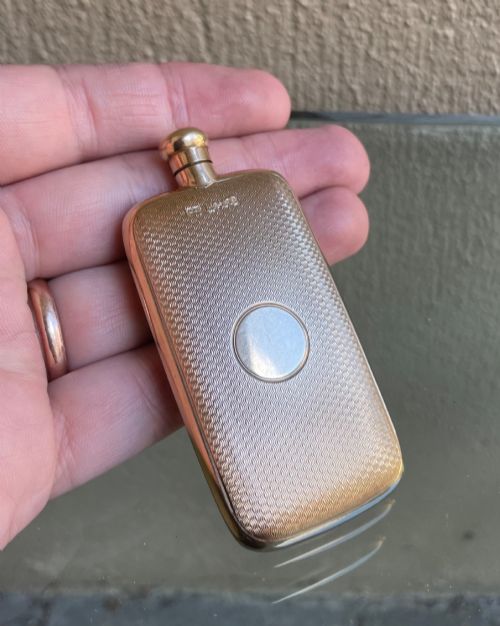
When you search for engine turned gold, you encounter small personal items and accessories created across multiple eras from the Georgian period through to the mid-twentieth century. The selection spans snuff boxes, lockets, vinaigrettes, cufflinks, cigarette cases, and pocket watches fashioned in nine-carat and eighteen-carat gold.
The most common forms you meet on this page are pocket-sized containers like snuff boxes and lockets featuring intricate repeating motifs across the surface. These pieces originate from British, French, and wider continental workshops operating during the nineteenth and early twentieth centuries.
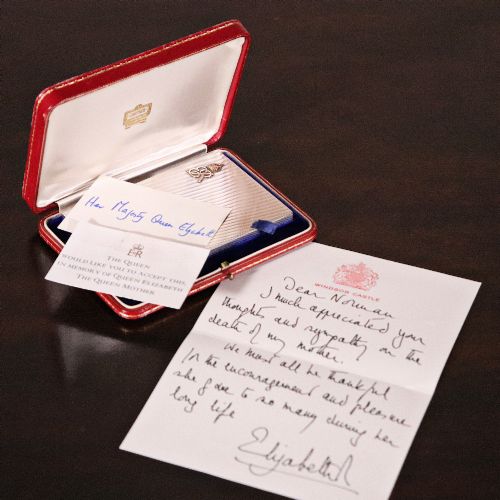
Objects range from early nineteenth-century presentation boxes to Art Deco vanity cases and cufflinks from the nineteen-thirties. Each item utilises fine metalwork designed to catch the light and provide tactile grip to frequently handled items.
How they were made
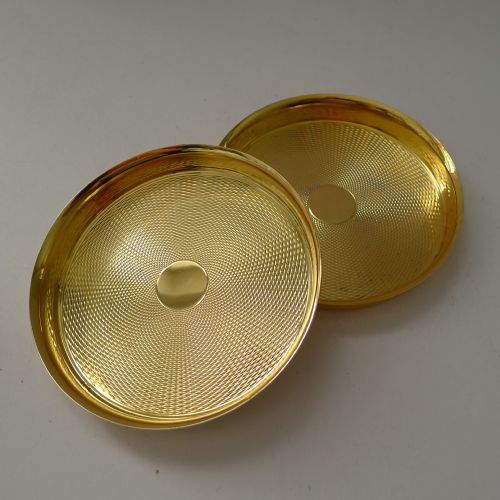
The technique relies on a lathe or rose engine to mechanically carve repetitive geometric patterns directly into the solid gold or silver gilt surface. Artisans also applied guilloche enamel, layering translucent enamel over the engraved metal base to reveal the pattern beneath.
Makers utilised high-purity yellow, rose, and vari-colour gold alongside sterling silver bases treated with silver gilt. Many items incorporate supplementary materials such as diamonds, rubies, glass, and leather linings to finish the interior compartments.
Engine Turned Gold Retail Price Guide 2026
Typical asking prices for engine turned gold among the pieces listed under this phrase on Sellingantiques today, from the lower quarter to the upper quarter. They describe what is for sale here now, not the wider market.
Listings feature items spanning eight distinct periods from the Georgian era through to the nineteen-fifties.
What varies in quality
The distinction between standard pieces and the finest examples lies in the crispness and complexity of the mechanical engraving. Superior work displays absolute symmetry and microscopic depth in the cut lines without slip marks or uneven spacing.
Material weight and the integration of maker signatures or hallmarks elevate certain items. Pieces featuring documented signatures from prominent houses or elaborate multi-coloured gold treatments sit at the higher end of the range.
Louis-François Tronquoy·Jacob Amyand·Giles Loyer·Nathaniel Mills·Alexander James Strachan·Payton Pepper Co·Van Cleef Arpels·Cartier·Charles Rawlings·Howell James Co
The Engine Turned Gold Glossary
- Engine turning
- A mechanical engraving method using a lathe to cut precise geometric patterns into metal surfaces.
- Guilloche
- A decorative technique where an intricate pattern is engraved beneath translucent enamel.
- Vinaigrette
- A small ornamental box featuring a pierced inner grille, historically used to hold a sponge soaked in aromatic vinegar.
- Snuff box
- A small pocket container designed to hold powdered tobacco.
- Hallmark
- Official stamps struck into precious metals to indicate purity, place of origin, and year of manufacture.
Engine Turned Gold: Frequently Asked Questions
How do I clean engine turned gold?
Use a soft brush with warm water and mild soap to remove dirt from the recessed pattern lines.
Avoid abrasive cloths or harsh chemical dips that can wear down the delicate surface engraving over time.
Can I wear an engine turned locket daily?
Gold lockets from the nineteenth and twentieth centuries withstand careful daily wear if treated with reasonable caution.
Remove them before swimming, exercising, or performing manual tasks to protect the hinges and surface pattern.
How do I date an engine turned gold item?
Check for official hallmarks stamped on the inside rim or bezel, which indicate the assay office and year letter.
Stylistic markers such as Art Deco geometry or Georgian box proportions also help establish the production era.
What is the difference between solid gold and silver gilt?
Solid gold pieces consist of precious metal all the way through, marked with carat designations like nine or eighteen carat.
Silver gilt items feature a sterling silver or continental silver base coated with a thin layer of gold.