

Enamelled Carriage Clock
An enamelled carriage clock brings solid brass construction and fine painted panels together into a portable timepiece designed for travel and daily domestic use.
Enamelled Carriage Clock
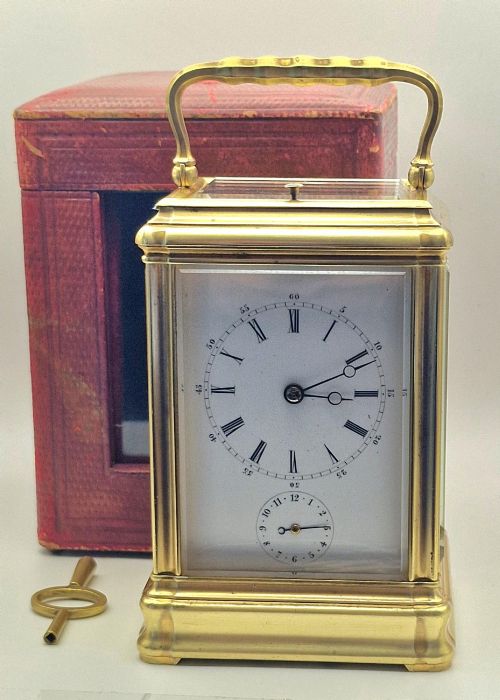
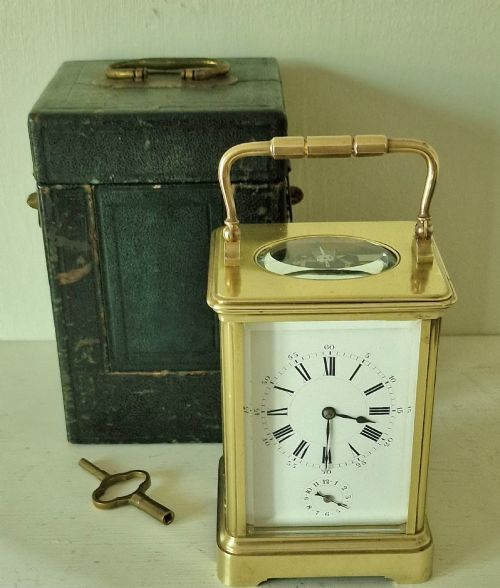
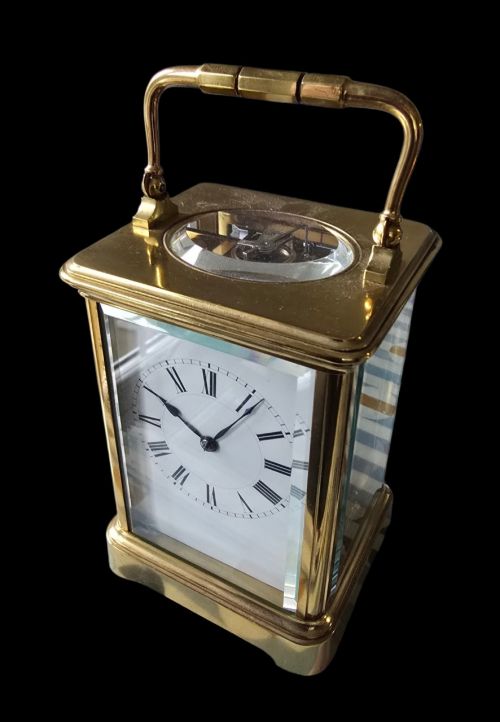
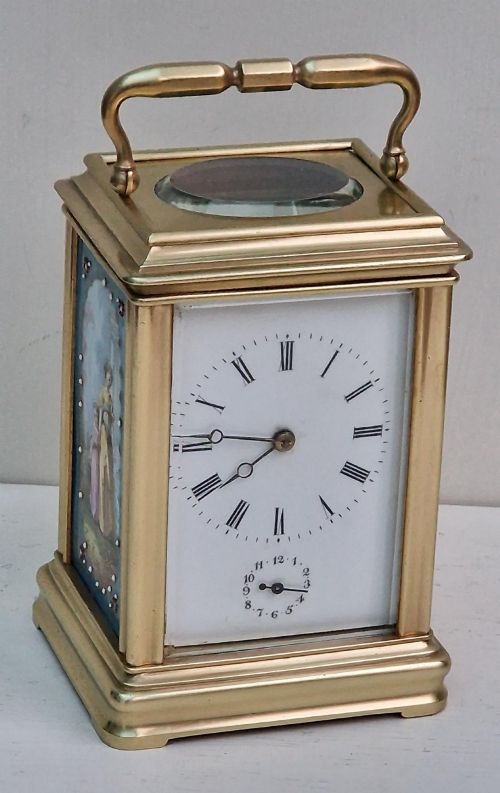
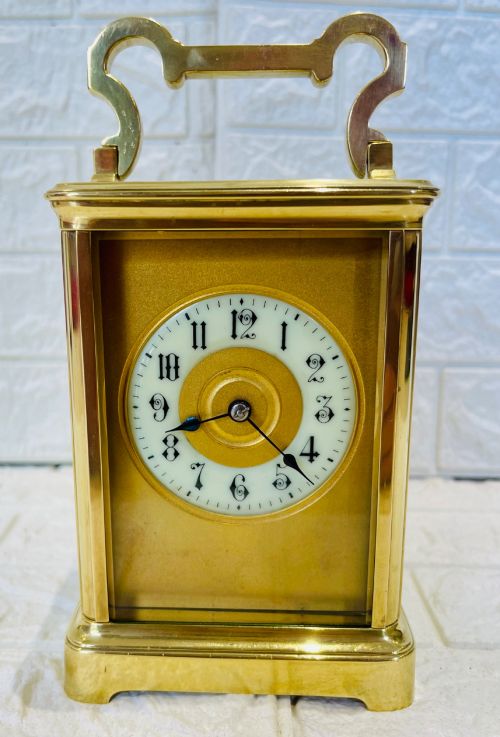
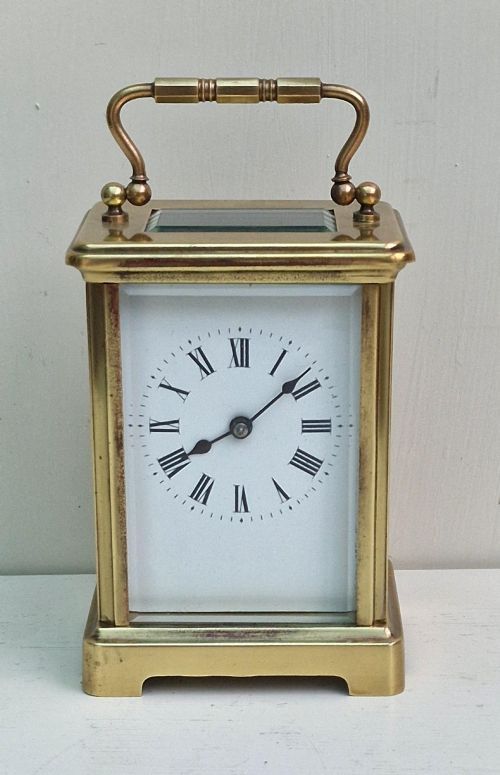
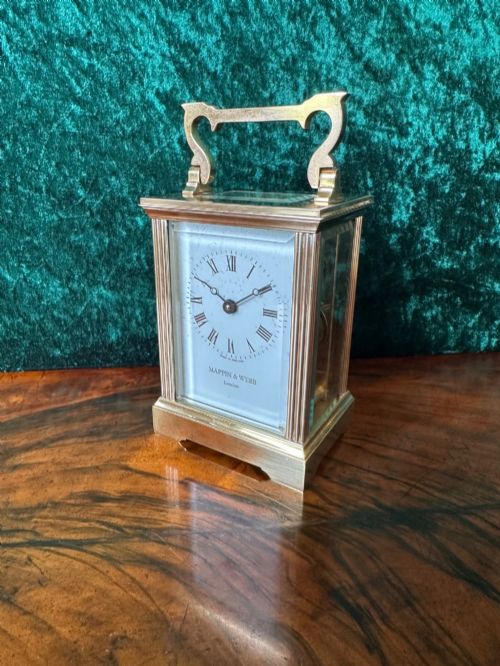
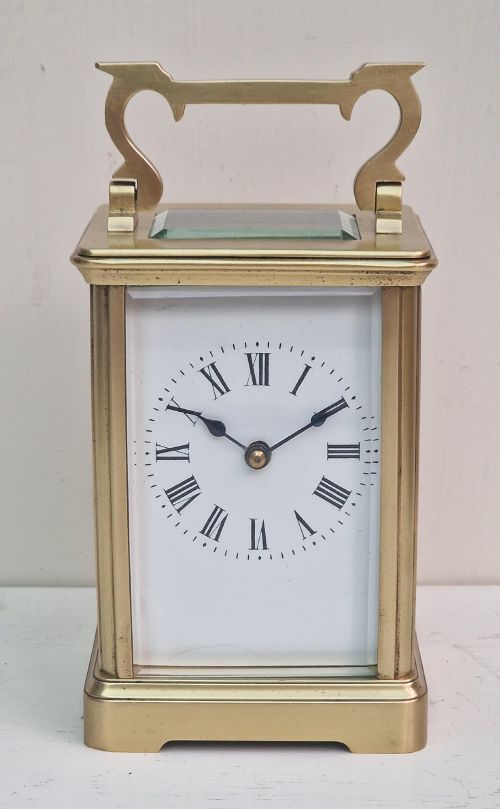
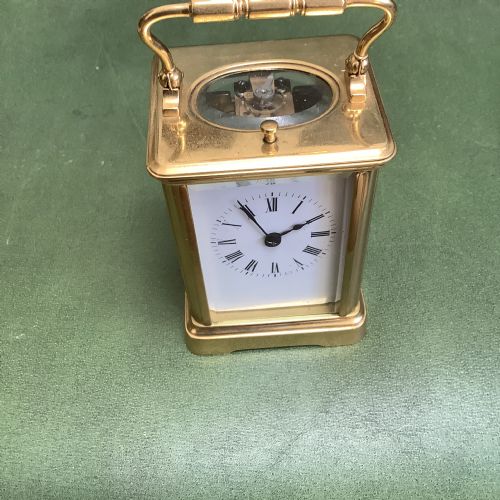
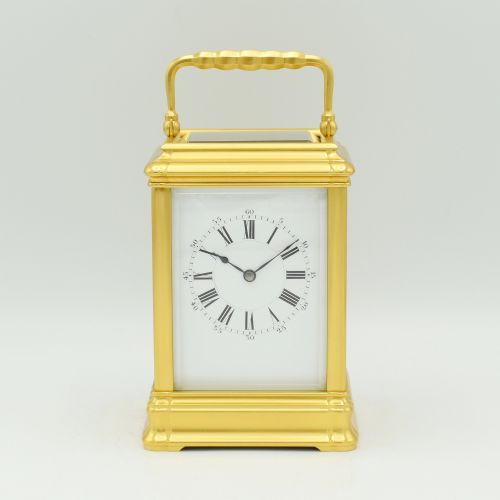
An enamelled carriage clock is a portable mechanical timekeeper housed in a metal case with glass panels and decorative enamel work. These pieces originate predominantly from the nineteenth century, including the Victorian and Belle Epoque periods.
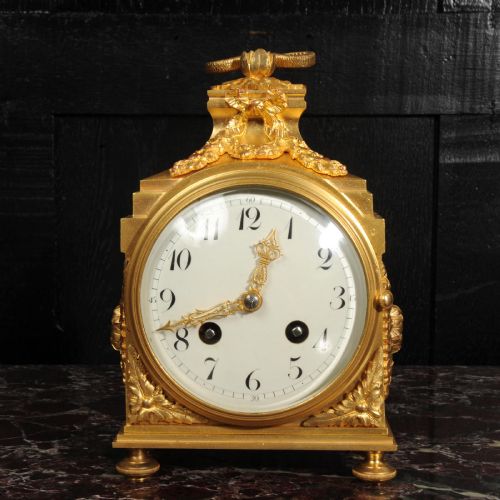
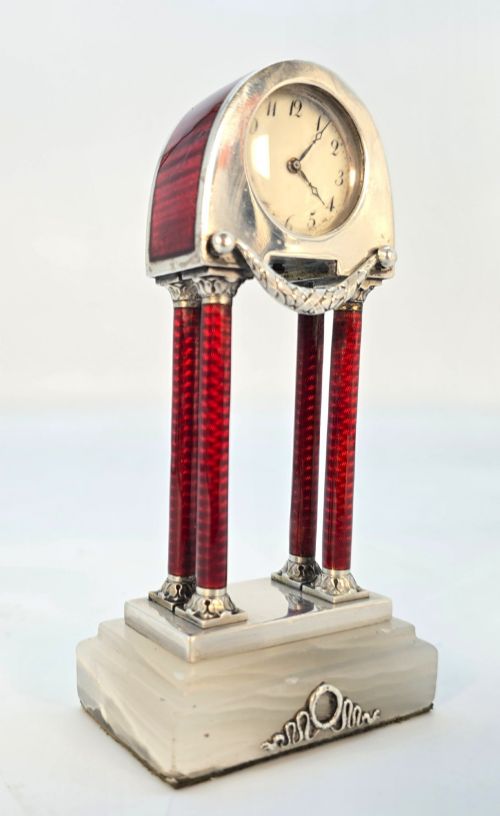
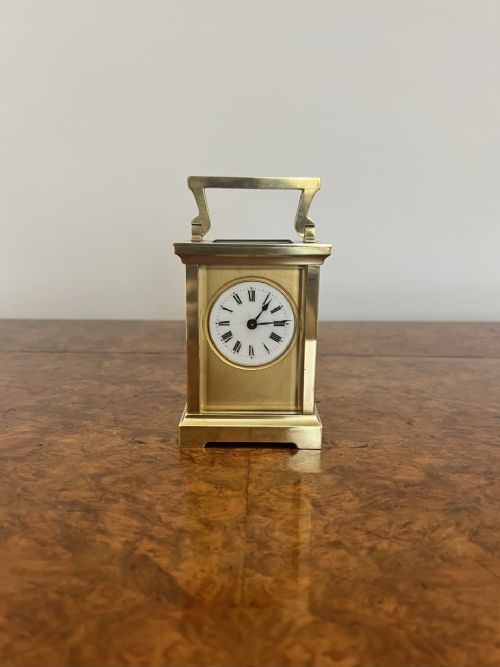
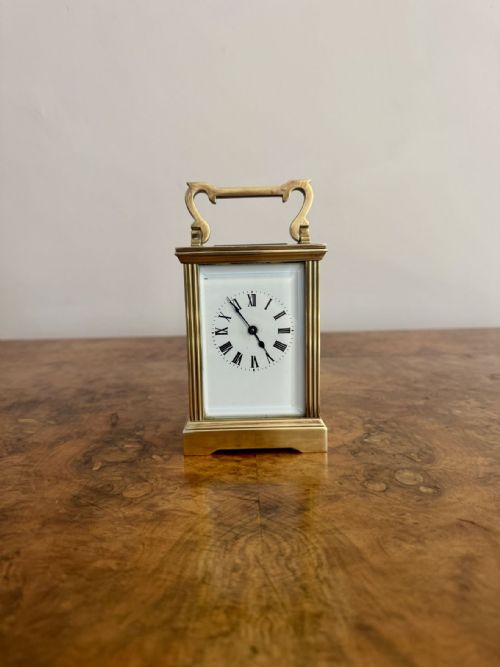
Buyers will encounter various forms on this page, ranging from standard brass carriage clocks to miniature bedside travel clocks and intricate portico designs. Many examples originate from French makers and incorporate repeating mechanisms or enamel dials.
How They Were Made
Craftsmen built these timepieces using brass, gilt bronze, and ormolu for the structural cases, housing eight-day mechanical movements behind bevelled glass windows. Structural rigidity was essential to protect the delicate gear trains during travel.
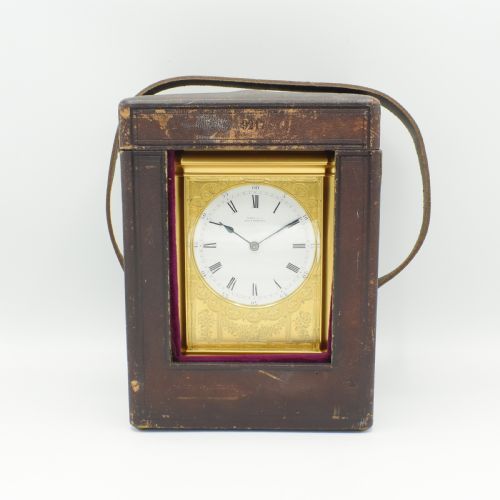
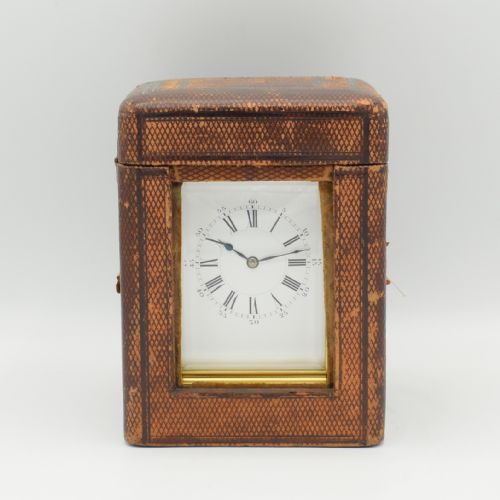
Enamel panels and dials were hand-painted and fired, then integrated into the metal framework alongside silver or gilt components. Leather travel cases frequently accompanied the clocks to guard the polished metal and glass surfaces.
Enamelled Carriage Clock Retail Price Guide 2026
Typical asking prices for enamelled carriage clock among the pieces listed under this phrase on Sellingantiques today, from the lower quarter to the upper quarter. They describe what is for sale here now, not the wider market.
What Varies in Quality
The sophistication of the movement largely determines the standing of a piece, with repeat striking mechanisms, alarms, and bell-strike functions commanding greater regard than standard timepieces. Fully engraved gilt brass cases likewise elevate an example above plain brass versions.
The artistry and condition of the enamel panels and painted dials create a clear distinction across the selection. Intricate porcelain or Delft enamel work executed by recognised makers reflects superior workshop output.
Henri Jacot·Mappin and Web·Georg Adam Scheid·Pickford of London·Drocourt Paris·T. Martin Co·C. Detouche Paris·Margaine Of France·Latshea Sons Edinburgh
The Enamelled Carriage Clock Glossary
- Gorge case
- A stepped brass carriage clock case design with characteristic moulded framing.
- Repeater
- A mechanism that chimes the hours and quarters on demand when a button or lever is pressed.
- Ormolu
- Gilt bronze ornamentation applied to the metal framework of the clock.
- Pendule d'Officier
- A military-style officer's clock, often serving as a precursor to the standard carriage clock.
Enamelled Carriage Clock: Frequently Asked Questions
How do I wind an enamelled carriage clock?
Most of these mechanical timepieces utilise a dedicated winding key inserted into the arbour at the back of the movement. Care should be taken not to overwind the mainspring.
Ensure you turn the key in the correct direction as indicated by the movement plate markings to maintain the tension safely.
Why do some carriage clocks strike the hours?
Striking and repeating mechanisms were engineered into better quality clocks to sound the time audibly in the dark or during travel. Bells or gongs inside the brass case produce the chime.
Examples equipped with repeaters allow the owner to trigger the last hour and quarter-hour on demand by pressing a button on top.
How should I clean the brass case?
Polishing should be approached with extreme caution, particularly on gilt brass or ormolu surfaces where harsh agents can strip the finish. A soft, dry cloth is usually sufficient for routine dust removal.
Avoid letting liquid cleaners seep into the glass panels or the delicate enamel work on the dial.
Did these clocks travel in cases?
Many nineteenth-century examples were supplied with fitted leather outer cases designed to protect the clock during transit. These cases often featured glass inspection windows so the time remained visible.
Surviving travel cases add considerably to the completeness and historical context of the piece today.