



Enamel Rose Jewellery
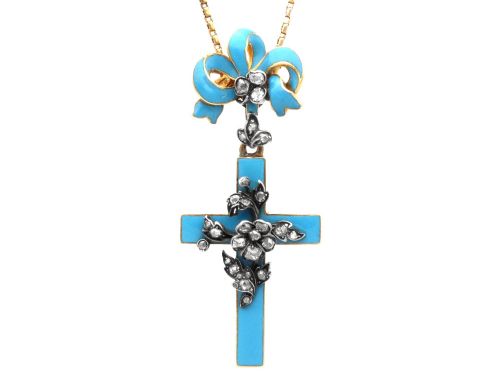
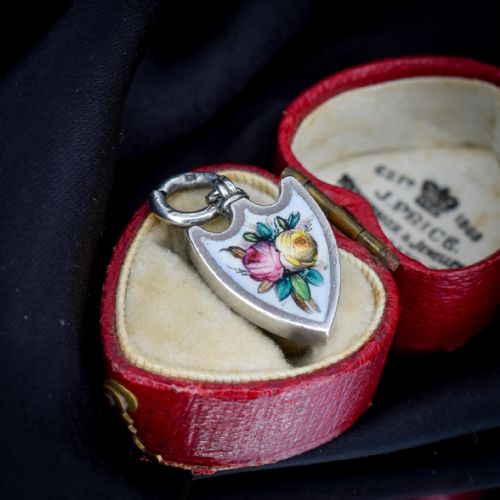
Enamel rose jewellery brings together luminous vitreous colour and botanical form, offering a tangible link to Georgian, Victorian and Edwardian craftsmanship.
Enamel Rose Jewellery
The pieces listed here showcase a variety of regional approaches, including Scandinavian silver work, French plique-à-jour designs and British silver hallmarks.
Buyers frequently encounter floral motifs rendered through techniques like guilloche and blue enamel, often accented with diamonds, pearls or gold.
Materials and construction
Goldsmiths and silversmiths shaped these pieces in 18ct gold, 15ct yellow gold and sterling silver, frequently mounting diamonds and pearls to complement the vitreous surface.
Enamelling techniques required fusing powdered glass to metal under high heat, producing translucent or opaque finishes such as blue enamel, niello and plique-à-jour.
Enamel Rose Jewellery Retail Price Guide 2026
Typical asking prices for enamel rose jewellery among the pieces listed under this phrase on Sellingantiques today, from the lower quarter to the upper quarter. They describe what is for sale here now, not the wider market.
The listings span multiple eras, featuring pieces from the Georgian period through the 1930s in silver and gold.
Assessing quality and execution
The distinction between standard production and exceptional work lies in the precision of the metal smithing and the evenness of the vitreous glass application.
Pieces that integrate fine gemstones like rose-cut diamonds or pearls alongside complex enamel work display a higher level of artisan skill.
Charles Horner
The Enamel Rose Jewellery Glossary
- Guilloche
- An ornamental pattern engraved into metal by a machine before transparent enamel is applied over the top. This technique creates a repeating geometric background that shows through the coloured glass.
- Plique-a-jour
- A vitreous enamelling technique where the enamel is applied within a network of metal cells without a backing, resembling miniature stained glass. Light passes directly through the translucent colours.
- Niello
- A black metallic alloy used as an inlay on engraved silver or gold. The contrasting dark compound highlights the underlying metal design.
- Rose cut
- A vintage diamond cut featuring a flat base and a domed crown composed of triangular facets arranged in a symmetrical pattern. This cut was popular before the development of modern brilliant facets.
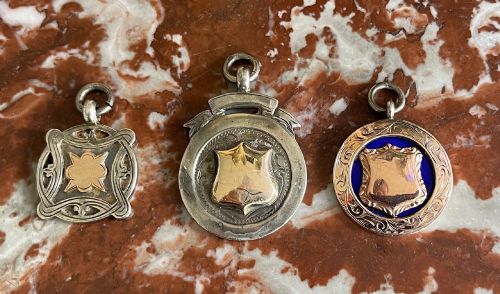
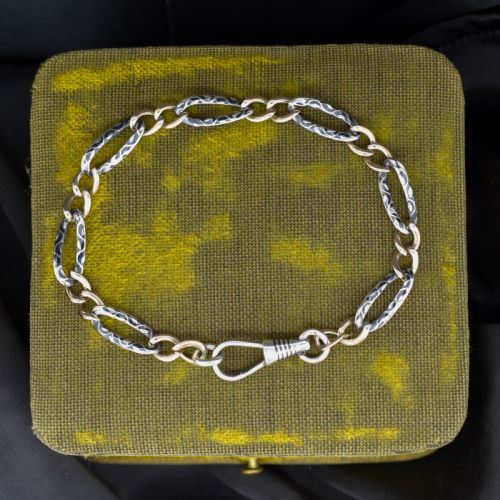
- Watch fob
- A short ornament or chain attached to a pocket watch, frequently adapted into decorative pendants or collected as distinct items.
Enamel Rose Jewellery: Frequently Asked Questions
What is enamel rose jewellery?
Enamel rose jewellery refers to antique decorative ornaments featuring vitreous glass enamel and floral or botanical motifs, produced primarily during the eighteenth, nineteenth and early twentieth centuries.
These items encompass wearable pieces such as rings, brooches, pendants and watch fobs created by period artisans using gold, silver, diamonds and pearls.
How do I date these pieces?
Dating relies on examining the metallurgical composition, hallmarks, gemstone cuts and specific enamelling styles characteristic of periods like the Georgian era, Victorian reign or Art Nouveau movement.
Specific design traits, such as plique-à-jour work or rose-cut diamonds set in yellow gold, often point to a precise decade of manufacture.
How were these items used?
Original owners wore these pieces as personal adornments, dress accessories or tokens of sentiment during formal social occasions.
Watch fobs served functional roles attached to timepieces before evolving into decorative pendants and charms.
How should I care for antique enamel?
Vitreous enamel is essentially glass and requires gentle handling to prevent scratching, impact damage or exposure to harsh chemical cleaning agents.
Store pieces individually in soft pouches and clean them with a soft, dry cloth rather than ultrasonic jewellery baths.