

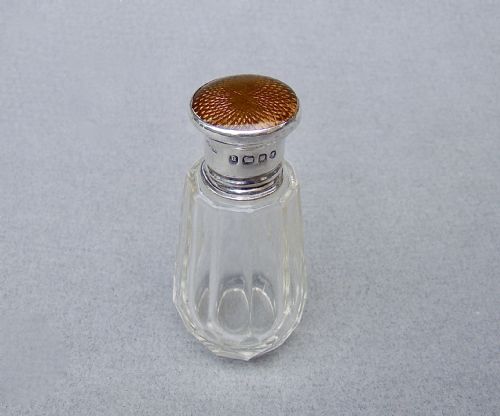


Enamel Perfume Bottles
Enamel perfume bottles combine delicate metalwork and colourful glass to hold vintage scents, appealing to collectors of intricate dressing table items.
Enamel Perfume Bottles
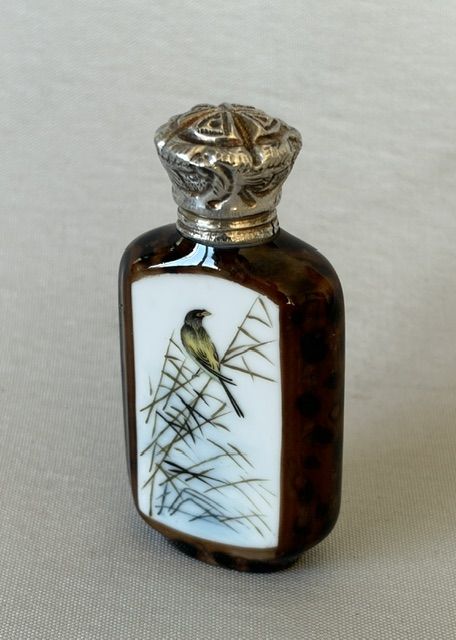
Enamel perfume bottles span several centuries, with particular concentration in the Art Deco period and the nineteenth century. Buyers searching this phrase commonly encounter colourful glass bodies fitted with sterling silver, or porcelain vessels shaped as traditional snuff bottles.
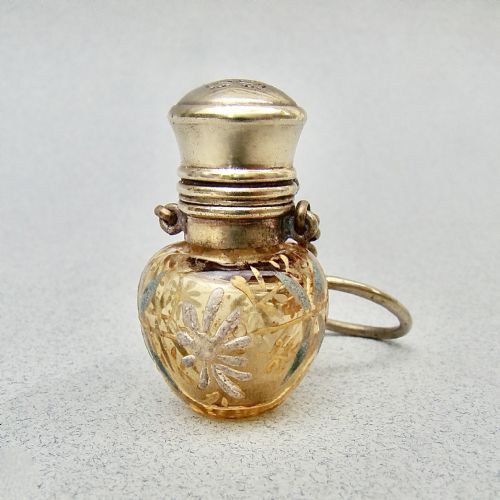
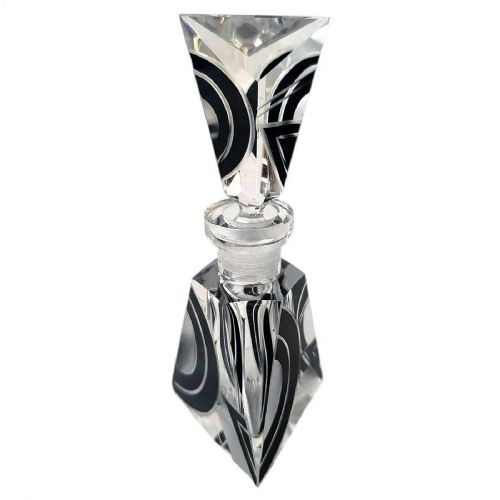
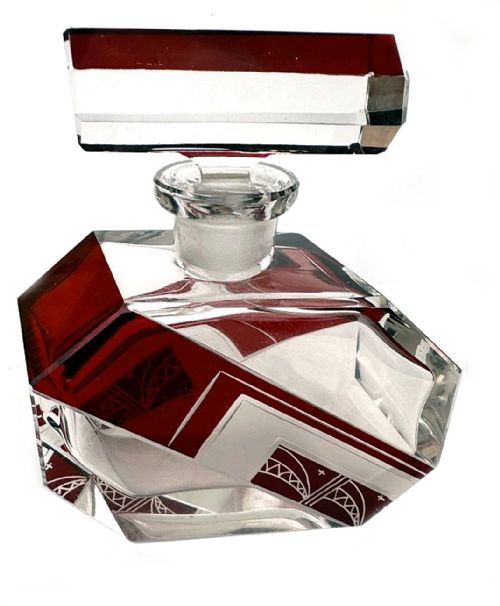
The assortment on this page includes French chatelaine pieces from the eighteen-eighties alongside Czech geometric glass works. British silver mountings from Birmingham and London makers also appear frequently among the listings.
Vessels take various forms including standard scent bottles, atomisers, and lidded jars designed for dressing tables. Chinese porcelain examples decorated in the Famille Rose style represent a distinct eastern branch of the category.
How they were made
Maker techniques rely heavily on combining cut glass or moulded crystal with fired vitreous enamel and sterling silver fittings. Guilloche enamel appears frequently, created by machining patterns beneath translucent coloured layers.
Porcelain variants utilise hand-painted enamel scenes applied directly to ceramic bodies, such as the Famille Rose palette seen on nineteenth-century pieces. Ormolu mounts and gold leaf accents occasionally provide additional metallic contrast to the glass and enamel surfaces.
Enamel Perfume Bottles Retail Price Guide 2026
Typical asking prices for enamel perfume bottles among the pieces listed under this phrase on Sellingantiques today, from the lower quarter to the upper quarter. They describe what is for sale here now, not the wider market.
Materials recorded across current items include porcelain, crystal, sterling silver, gold leaf, and chrome.
What varies in quality
Quality rests upon the crispness of the enamel work and the precision of the glass cutting. Pieces bearing clear hallmarks for established silversmiths or recognised designers demonstrate superior workshop provenance.
The clarity of the coloured glass and the integrity of the guilloche patterns dictate the visual weight of the item. Finer examples maintain unblemished enamel surfaces and tight closures between the silver collars and glass necks.
Karl Palda·Henry Perkins·Mappin And Webb
The Enamel Perfume Bottles Glossary
- Guilloche
- An ornamental engraving technique that etches precise geometric patterns into metal before applying translucent enamel. This method creates a shimmering depth beneath the coloured surface.
- Chatelaine
- A decorative belt hook worn with suspended fittings like scent bottles and chatelaine watches. These nineteenth-century pieces allowed ladies to carry essential accessories directly on their garments.
- Famille Rose
- A palette of opaque Chinese ceramic glazes dominated by pink enamel colours. Introduced in the Qing Dynasty, this style depicts figures and floral scenes on porcelain bodies.
- Ormolu
- Gilded bronze mounts applied to decorative objects and glassware. The technique adds a rich golden trim to nineteenth-century vanity items.
- Atomiser
- A spray bottle mechanism utilising a bulb and internal tube to diffuse liquid perfume. Art Deco examples often pair these mechanical tops with cut glass reservoirs.
Enamel Perfume Bottles: Frequently Asked Questions
How do I clean enamel perfume bottles?
Gently wipe glass and metal surfaces with a soft, dry cloth to remove dust. Avoid submerging antique silver mounts or enamel work in water.
Keep moisture away from any remaining vintage perfume residue inside the bottle to protect the interior lining and historical seals.
Are these bottles safe for daily use?
Most antique pieces function better as display items on dressing tables rather than daily accessories. The historical seals and delicate enamel surfaces can degrade with regular handling.
Opening older stoppers requires care to prevent chipping the glass necks or straining the silver hinges on chatelaine mounts.
How can I date an enamel bottle?
Examine the piece for silver hallmarks that indicate specific assay offices and production years. Stylistic clues like geometric Art Deco cuts or Victorian chatelaine chains also point to exact eras.
Maker signatures etched into the glass provide definitive chronological markers for twentieth-century studio pieces.
What is the difference between an atomiser and a scent bottle?
Scent bottles utilise a traditional stopper inserted into the neck to contain the liquid perfume. Collectors remove this stopper directly to dab the scent onto skin.
Atomisers incorporate a spray mechanism and squeeze bulb to mist the fragrance into the air. This mechanical top distinguishes vanity sprayers from standard stoppered vials.