

Empire Lighting Fixtures
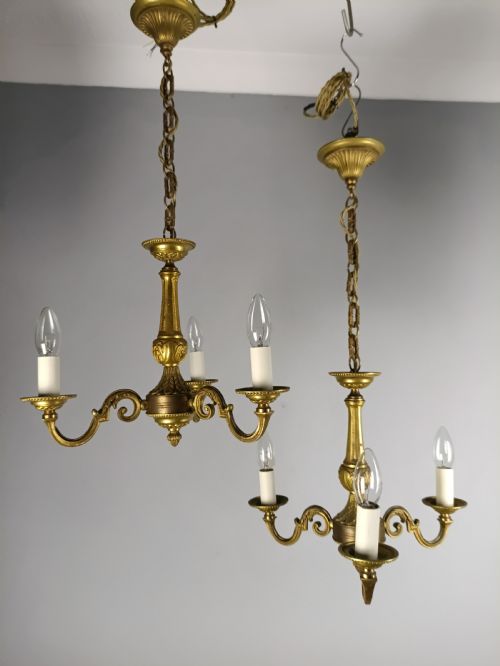
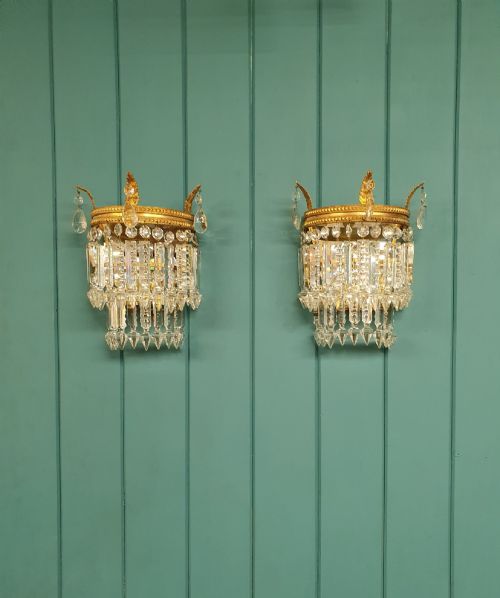
These empire lighting fixtures bring neoclassical proportion and crystal drop sparkle to high-ceilinged rooms.
Empire Lighting Fixtures
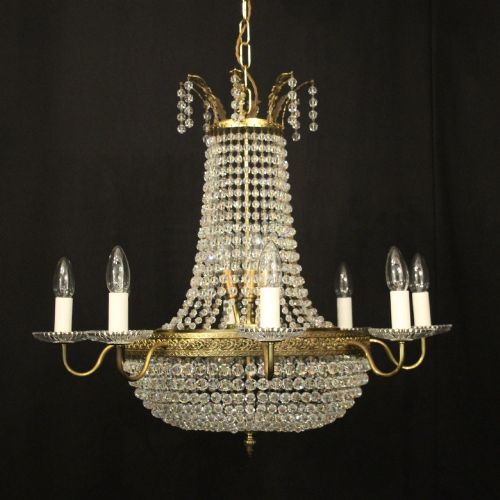
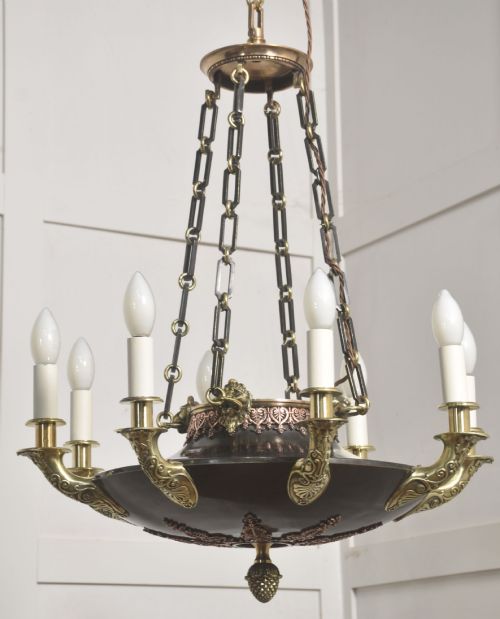
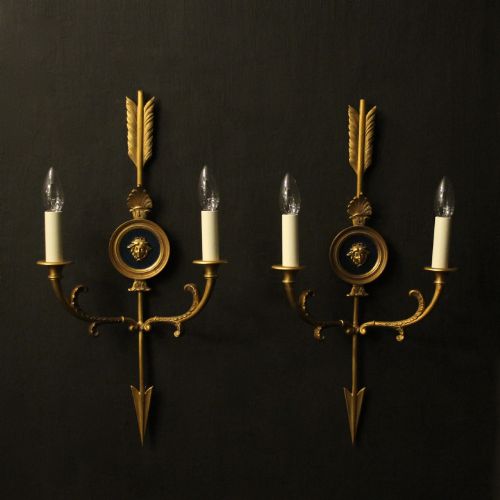
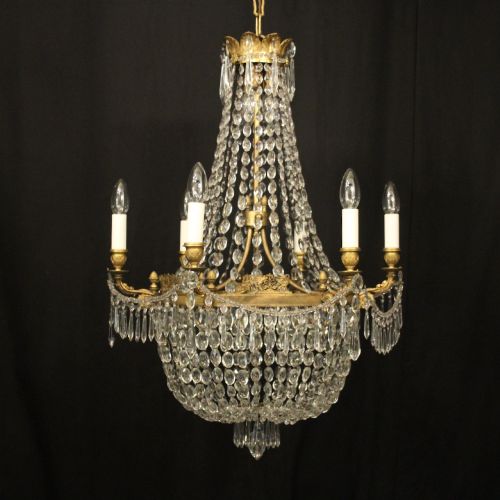
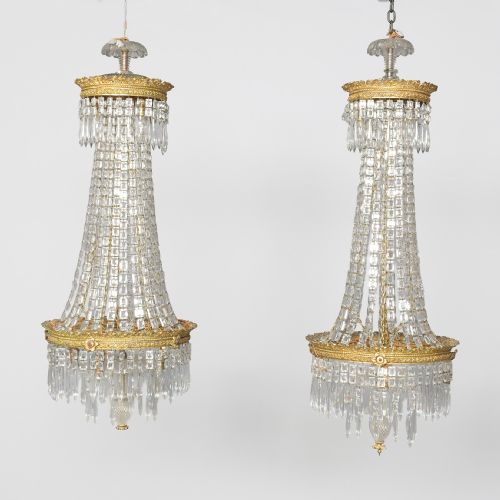
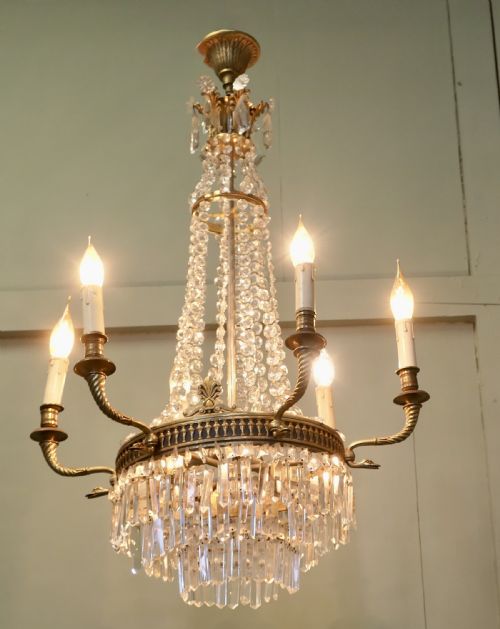
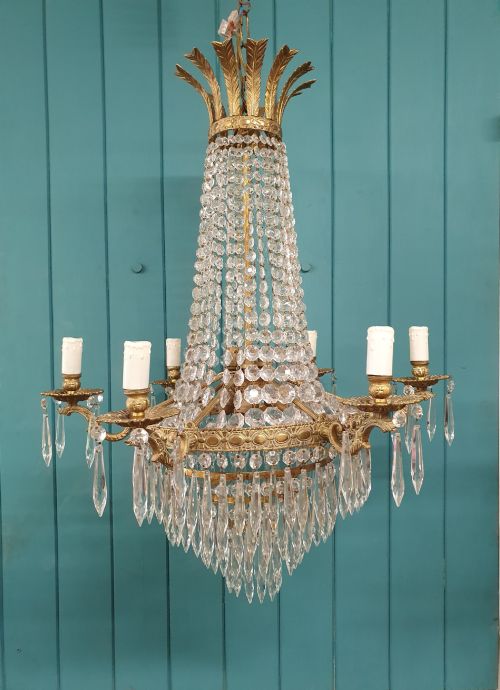
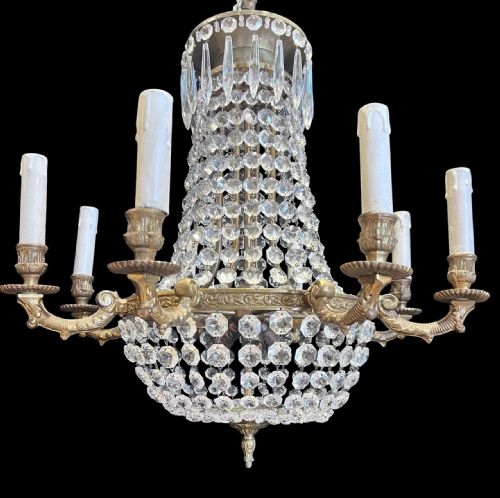
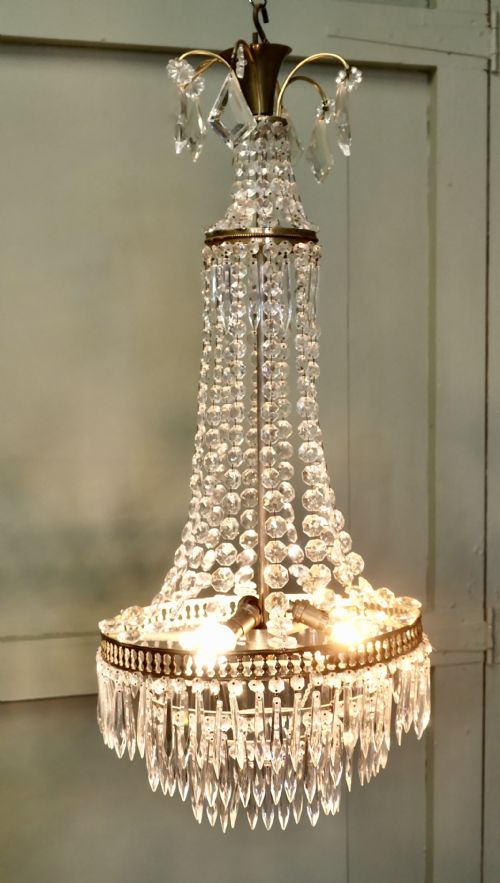
Empire lighting fixtures comprise chandeliers, wall lights, and floor lamps originating primarily from French design traditions spanning the nineteenth and early twentieth centuries. When searching for empire lighting fixtures, buyers encounter notable variations including tent and waterfall configurations, bag chandeliers, and neoclassical sconces.
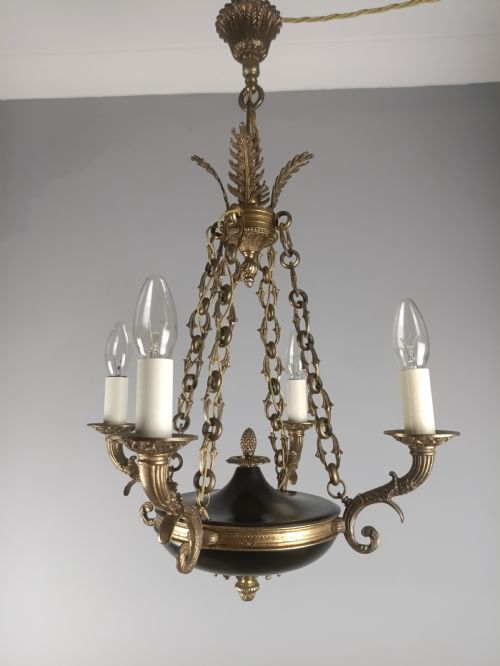
The selections here range from nineteenth-century gilt bronze centrepieces to Edwardian and Art Deco revivals utilising brass, copper, and cut crystal. Chandeliers dominate the selection, accompanied by matched pairs of wall sconces and bouillotte lights designed for domestic illumination.
Materials and construction
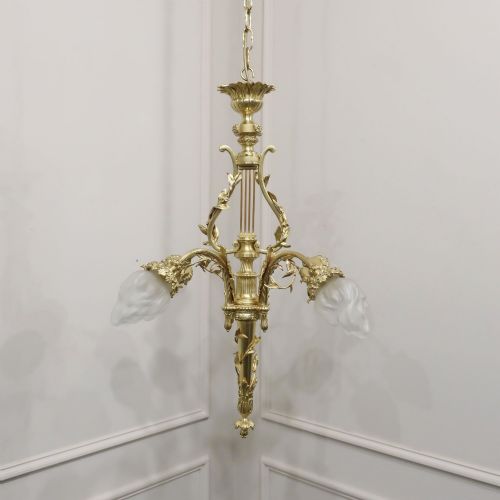
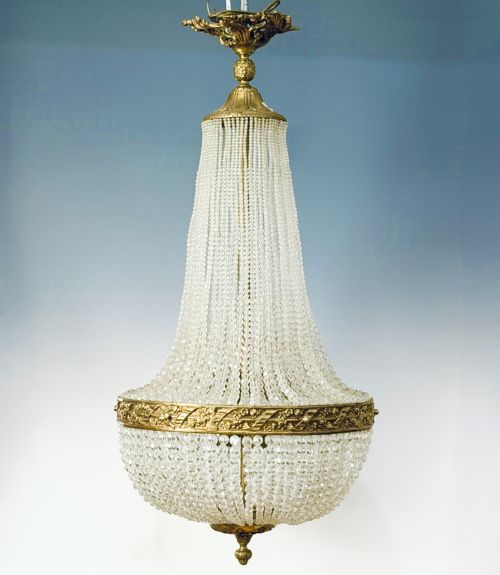
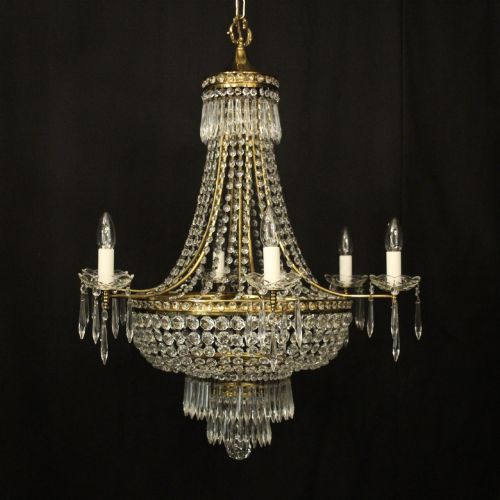
Foundational structures rely heavily on cast bronze, gilt brass, and patinated metal shaped into classical motifs such as lyres, rams heads, and leaf decorations. Metal frames provide the armature for complex arrangements of wired glass drops, prisms, and crystal beads.
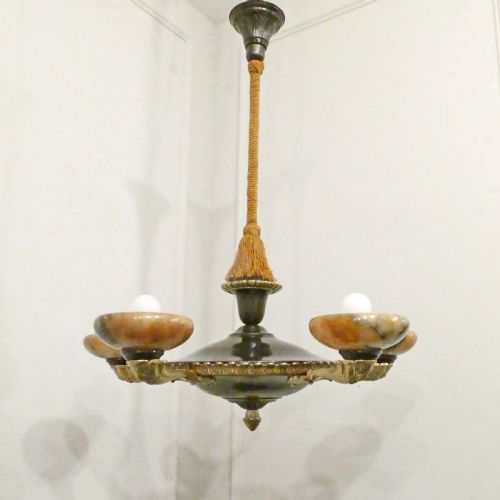
Lighting assemblies integrate hand-cut glass, frosted glass, and alabaster shades suspended by chains or wire. Gilt surfaces often combine burnished and matte finishes to catch ambient light within a room.
Empire Lighting Fixtures Retail Price Guide 2026
Typical asking prices for empire lighting fixtures among the pieces listed under this phrase on Sellingantiques today, from the lower quarter to the upper quarter. They describe what is for sale here now, not the wider market.
Certain antique chandeliers retain hidden prison bag structures beneath their main tiers, baffling guests who mistake them for standard droplets.
Markers of distinction
Quality rests upon the crispness of bronze chasing and the clarity of cut crystal prisms rather than sheer scale. Superior examples display refined detailing in cast mounts, such as precise leaf ornamentation and well-balanced arm distribution.
Original mercury gilding or heavy fire-gilt surfaces separate finer period pieces from later revival items finished with modern lacquer. Complete crystal suites containing matching drops and undamaged tent structures indicate higher preservation.
François-Christophe-Armand Toussaint·Wedgwood
The Empire Lighting Fixtures Glossary
- Tent and waterfall
- A chandelier design featuring an upper canopy of gathered glass beads forming a tent shape above a tiered cascade of crystal drops.
- Gilt bronze
- Metal alloy cast with intricate ornamental detail and treated with a gold coating, frequently termed bronze dore in French pieces.
- Bouillotte light
- An adjustable shaded light fixture historically placed on card tables, typically incorporating a central stem and a toleware or metal shade.
- Bag chandelier
- A lighting form characterised by a tapering bag-shaped lower section composed of dense rows of strung glass beads.
- Colza hanging light
- A mechanical lighting apparatus utilising colza oil reservoirs, popular during the nineteenth century before widespread electrification.
Empire Lighting Fixtures: Frequently Asked Questions
How do I clean an antique crystal chandelier?
Cleaning requires a mild solution of warm water and professional glass cleaner applied gently by hand using a soft cloth.
Technicians remove individual crystal drops only when necessary to prevent damage to aged brass pins and wire connections.
Are these fixtures wired for modern electrical standards?
Most antique lighting items arrive adapted for contemporary electrical wiring during previous restoration work by specialists.
Buyers should consult a qualified electrician to inspect internal components and ensure compatibility with current ceiling load requirements.
What rooms suit an empire tent and waterfall chandelier?
These large hanging fixtures require rooms with generous ceiling height to allow proper clearance beneath the lower crystal cascade.
Dining rooms, entrance halls, and formal reception spaces provide the architectural volume necessary for balanced visual proportion.
How do I distinguish nineteenth century pieces from revival items?
Period indicators include hand-cut glass characteristics, old pin fixings, and natural patination on unlacquered bronze surfaces.
Twentieth-century revival pieces often display standardised machine threading and brighter, uniform metallic finishes.