

Embroidered Wall Panel
An embroidered wall panel brings texture, history, and intricate needlework directly to a plain interior wall.
Embroidered Wall Panel
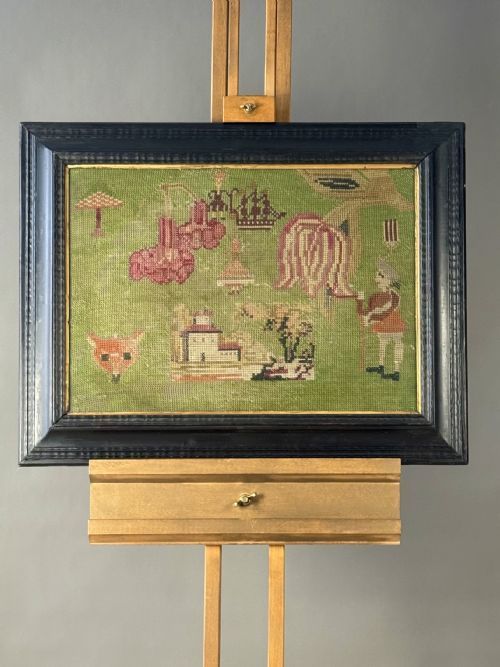
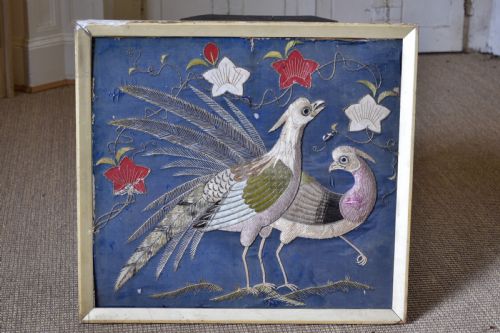
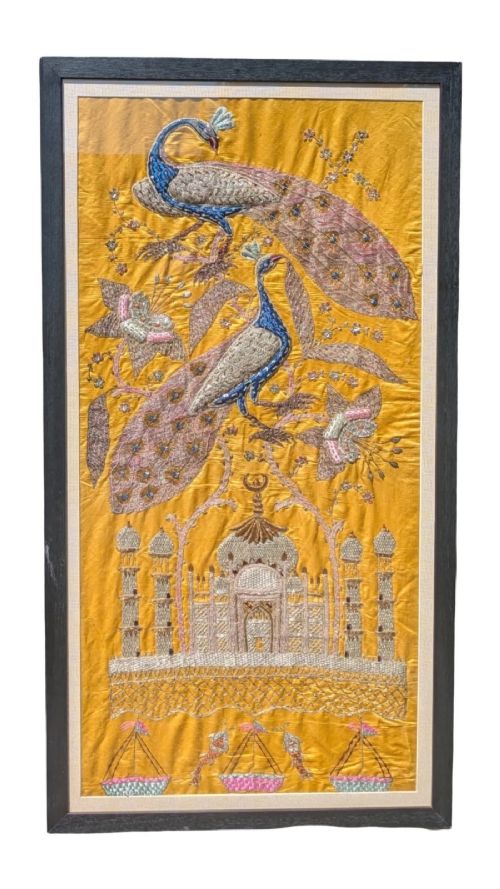
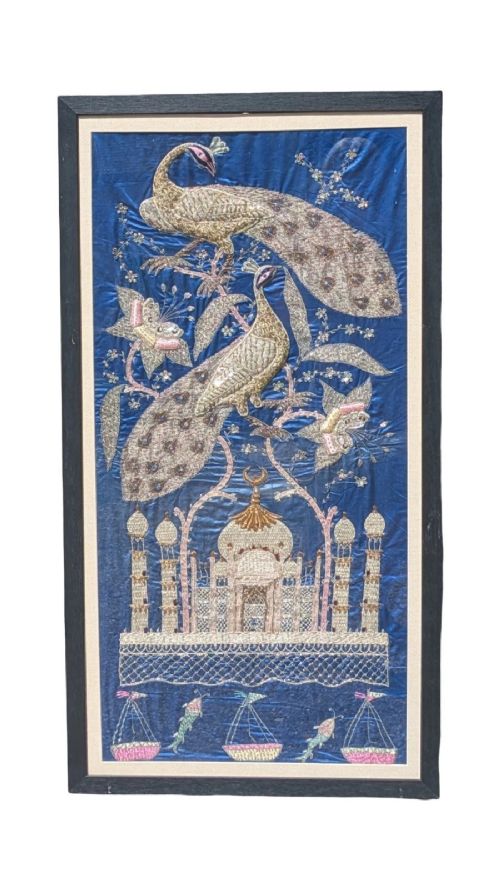
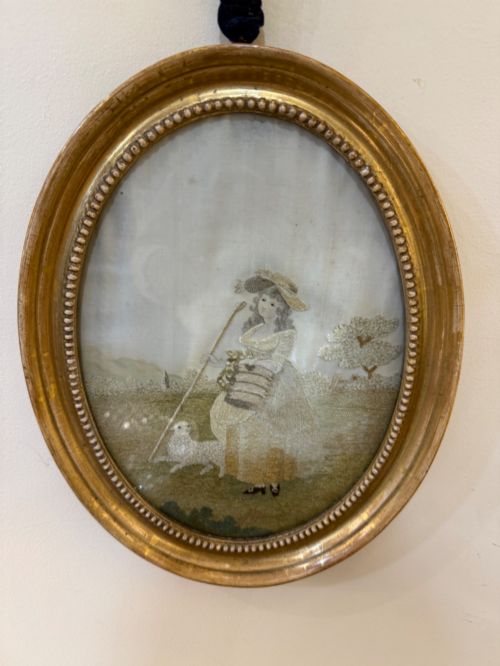
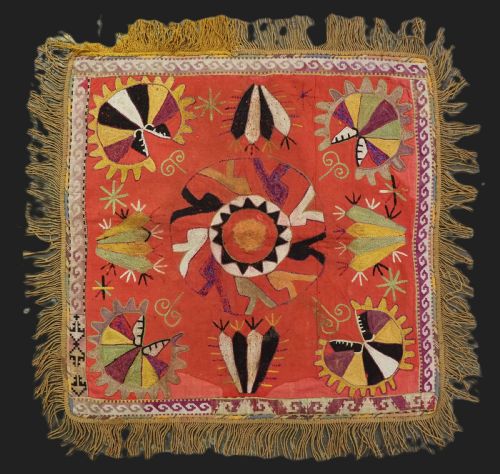
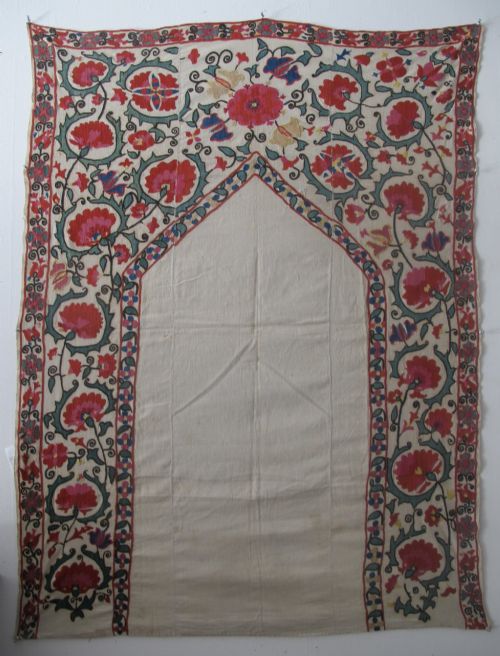
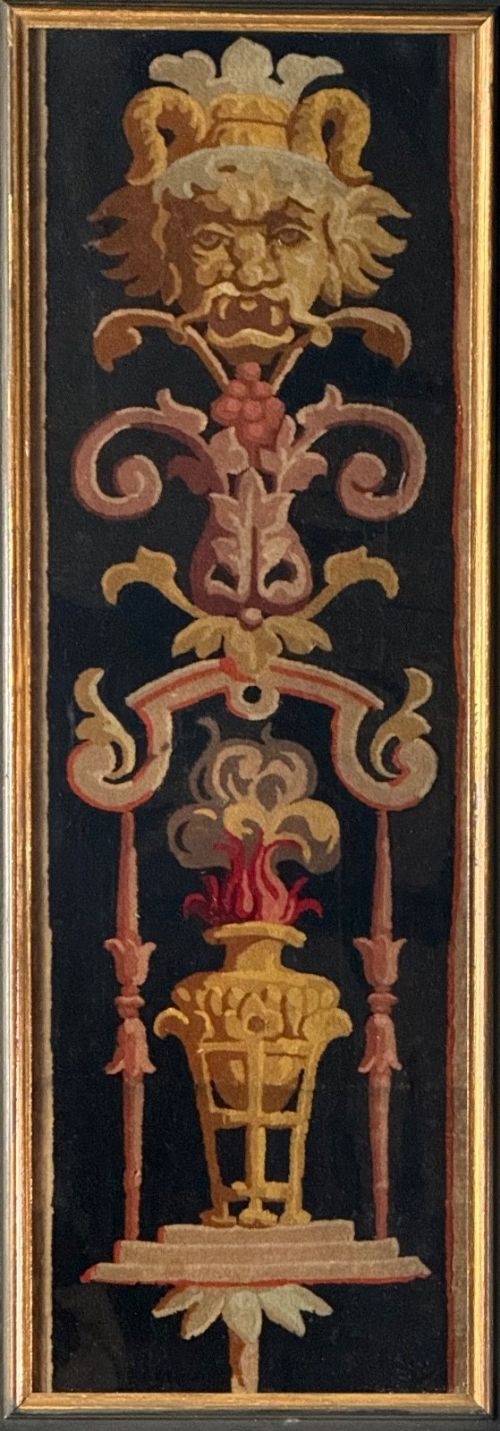
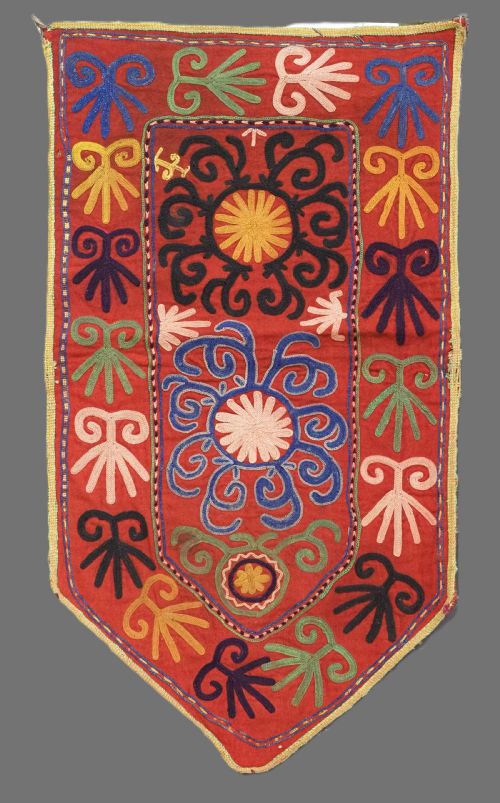
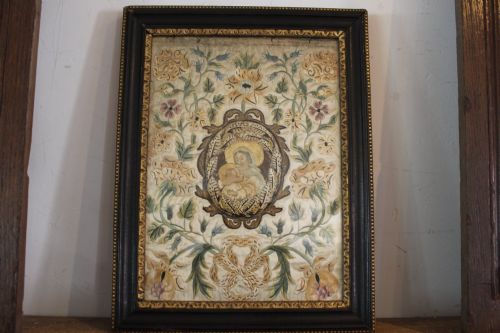
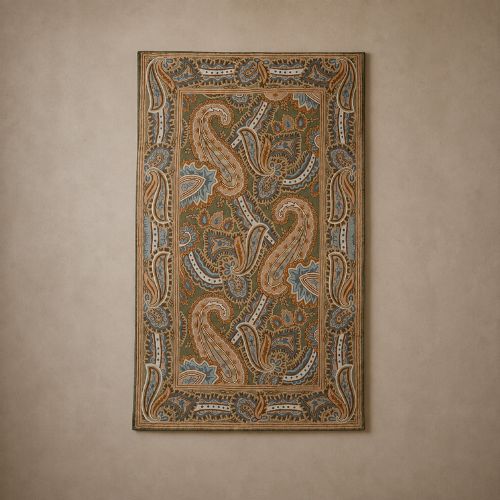
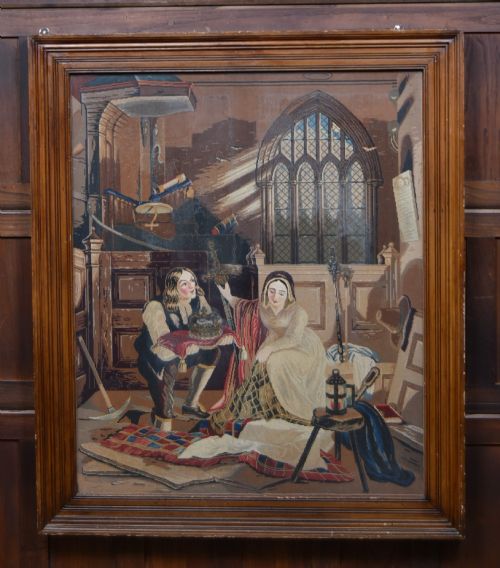
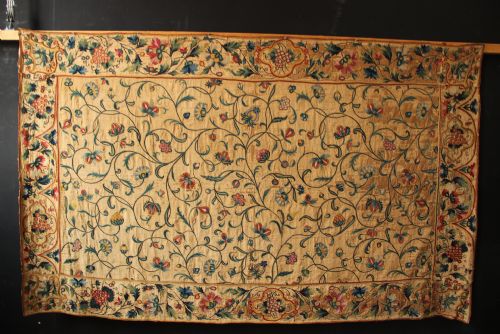
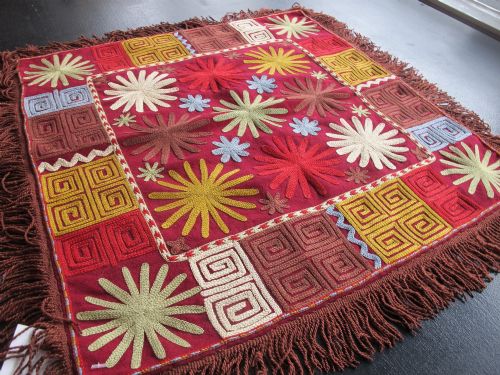
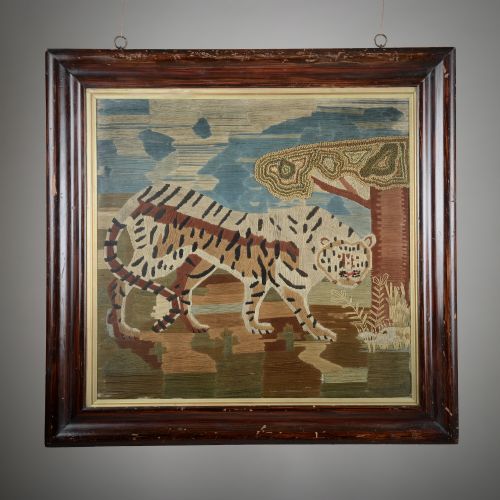
An embroidered wall panel encompasses historic needlework pictures, crewelwork textiles, and Central Asian suzanis adapted for display. These pieces function as textile art, bringing rich colour and historic narrative into domestic spaces. Collectors encounter everything from seventeenth-century English crewelwork to nineteenth-century Chinese silk rank badges and Uzbek dowry embroideries.
The selection on this page leans heavily toward Central Asian tribal hangings and European framed needlework from the seventeenth century onward. Buyers will find large crewelwork panels alongside smaller Greek island border fragments and Georgian samplers. Each format reflects the distinct domestic traditions and decorative impulses of its origin.
Materials and construction
These panels utilise natural foundations such as linen, cotton, wool, and silk as grounds for complex needlework. Artisans applied silk floss, wool, and metallic threads using specialised stitches tailored to regional traditions. Many examples incorporate glass elements or are preserved behind glass within period frames.
Techniques range from the raised pile and padded figures of Stuart stumpwork to the chain stitching of Central Asian suzanis and crewelwork wool embroidery. Execution requires precise hand sewing, often combining painted elements with needlework on a single textile canvas.
Listings span from the seventeenth century through the 1930s, featuring wool, silk, linen, and metallic thread.
Assessing quality and execution
Quality rests upon the density of the stitching, the intricacy of the composition, and the stability of the foundation fabric. Masterworks display confident needle control and sophisticated handling of colour, whereas simpler pieces rely on repetitive motifs.
The preservation of original materials and thread colour heavily influences the standing of a panel. Pieces retaining their early metallic threads, vibrant silk floss, and authentic framing elements demonstrate superior historical integrity.
The Embroidered Wall Panel Glossary
- Suzani
- A large embroidered tribal hanging originating from Tajikistan, Uzbekistan, and other Central Asian regions. These textile works typically feature vibrant floral motifs worked in silk on a cotton or silk foundation.
- Sampler
- A piece of needlework produced to demonstrate a worker's proficiency in various stitches and alphabets. Early examples often incorporate intricate pictorial motifs alongside lettering.
- Stumpwork
- A raised embroidery style popular in seventeenth-century England that utilises padded foundations and wire supports to create three-dimensional figures. This technique frequently depicts historical or biblical scenes.
- Rank badge
- A square embroidered insignia worn on the robes of officials in imperial China. These panels denote social hierarchy through depictions of specific birds and animals.
Embroidered Wall Panel: Frequently Asked Questions
How do I hang an embroidered wall panel safely?
Heavy textiles require even support across their entire width rather than suspension from a single point. Mounting the panel over a padded wooden board distributes weight and prevents distortion.
Keep antique textiles away from direct sunlight and damp environments to protect fragile silk and wool fibres from fading and degradation.
What is the difference between a suzani and a sampler?
Suzanis are large, bold Central Asian textiles traditionally created as dowry items with vibrant floral and architectural designs. They are intended for use as wall hangings or bed covers.
Samplers are smaller European works focused on practicing stitches, letters, and numbers, typically framed for display as pictorial records of domestic skill.
How do I determine the age of a textile panel?
Dating relies on examining the fibre types, dye colours, stitch techniques, and the style of the imagery depicted. Comparing the work to dated examples, such as signed samplers, provides a reliable baseline.
Physical evidence like hand-spun yarns and early framing methods further helps narrow down the period of manufacture.