

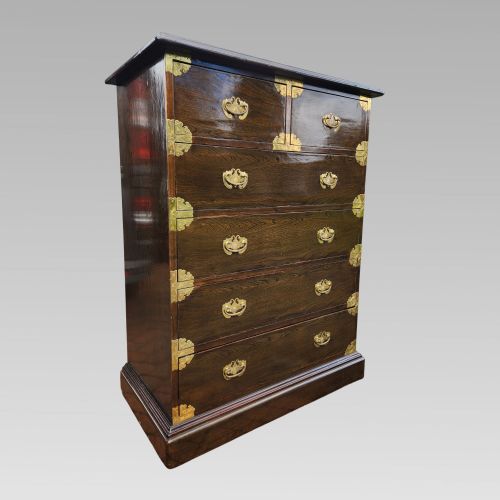


Elm Wood Drawers
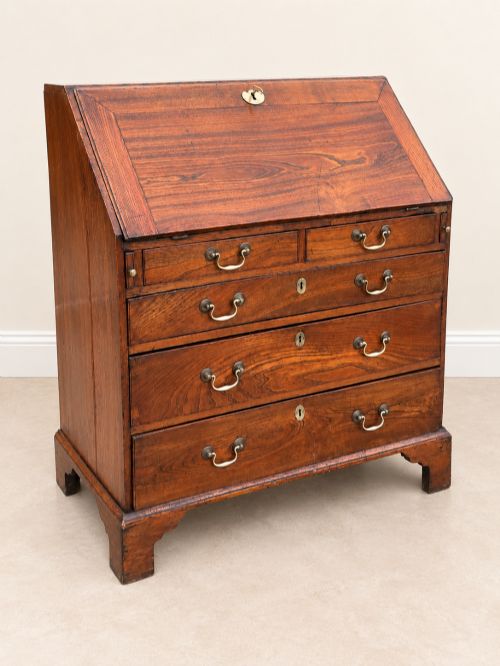
Elm wood drawers bring a distinct figured grain and warmth to a room, ranging from Englishbureaux to large Chinese apothecary cabinets.
Elm Wood Drawers
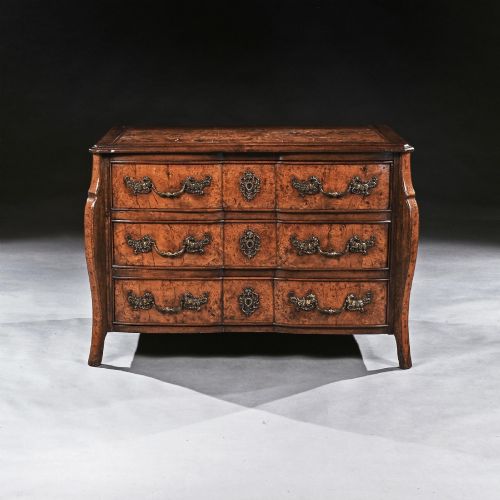
Makers utilised the native properties of the wood across different stylistic traditions, producing pieces as varied as provincial European commodes and Korean Bandaji chests. Buyers typically select these items for the striking figure of the timber, which displays deep swirls and knots unlike standard oak or mahogany.
How they were made
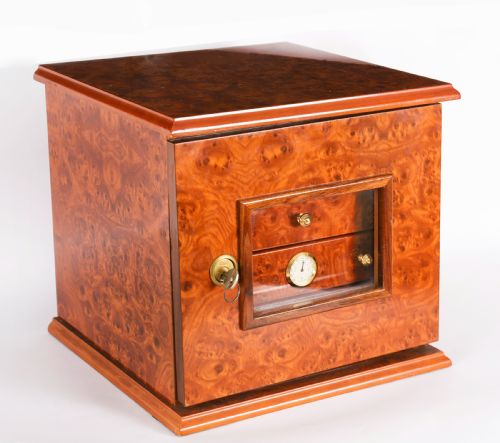
Carpenters constructed these pieces primarily from solid elm and burr elm, frequently accentuating the wild grain patterns with polished surfaces or lacquer finishes. Metal elements such as brass handles, iron fittings, and bronze accents appear across many examples to secure joints and drawers.
Cabinet makers employed traditional joinery techniques suited to a timber prone to movement, often pairing the main elm structure with secondary woods or incorporating intricate veneer work. Regional workshops adapted their methods to local traditions, whether producing European dovetailing or traditional Asian frame and panel construction.
Elm Wood Drawers Retail Price Guide 2026
Typical asking prices for elm wood drawers among the pieces listed under this phrase on Sellingantiques today, from the lower quarter to the upper quarter. They describe what is for sale here now, not the wider market.
Current listings feature elm wood pieces spanning from the late 17th century through to the 1940s, incorporating brass, iron, and bronze hardware.
What varies in quality
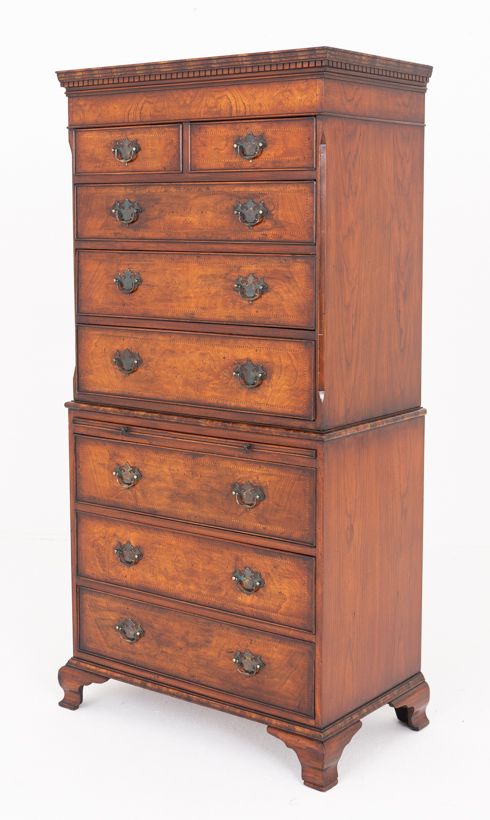
Quality in these pieces rests heavily on the choice of timber, distinguishing standard straight-grained boards from highly figured burr elm with dense, swirling patterns. The articulation of the grain across multiple drawer fronts demonstrates the skill of the original maker in selecting and matching wood slices.
Construction standards also set examples apart, visible in the snugness of drawer joints and the preservation of original metal hardware like brass pulls and escutcheons. Pieces that retain their historic surface finish and structural integrity command greater attention than those with heavy modern alterations.
The Elm Wood Drawers Glossary
- Burr elm
- A growth deformity on the tree that produces tightly clustered knots and a swirling grain pattern. Cabinet makers prize this timber for high-status veneering.
- Bureau
- A slope-front desk enclosing a fitted interior of small drawers and pigeon holes, typically sitting above a set of larger drawers. English and European makers produced these in quantity during the eighteenth century.
- Apothecary cabinet
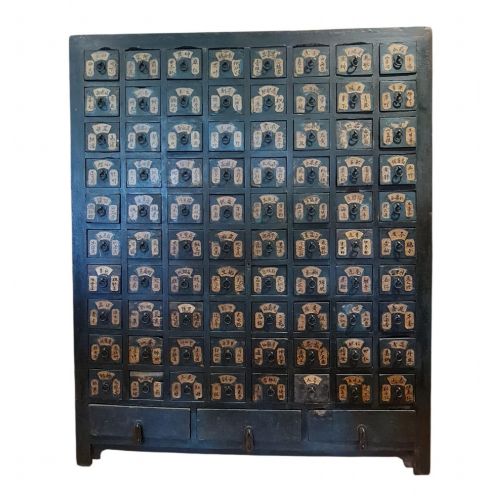
- A multi-drawer storage unit historically used by practitioners to sort dried herbs, roots, and medical ingredients. Chinese examples often feature dozens of small, labelled compartments.
- Commode
- A low, elegant chest of drawers or cabinet developed in seventeenth and eighteenth-century France. European provincial makers adapted the form using native timbers.
- Dovetail
- A traditional corner joint formed by interlocking wedge-shaped fingers. This method provides high tensile strength for drawer construction.
Elm Wood Drawers: Frequently Asked Questions
How do I care for elm furniture?
Keep elm furniture away from direct heat sources and dramatic humidity swings to prevent the timber from splitting. Regular dusting with a dry cloth and occasional application of appropriate wax maintains the surface sheen.
Avoid commercial liquid polishes containing silicone, which can penetrate historic finishes and attract dust. Gentle care preserves the natural colour and patina developed over centuries.
Are these drawers suitable for daily use?
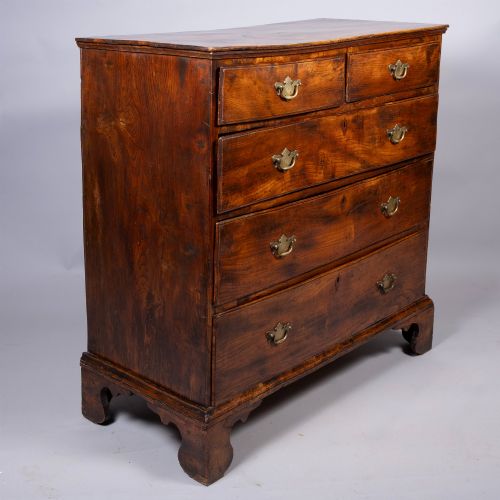
Many of these pieces function well for everyday storage, provided the drawers slide smoothly and the internal structures remain sound. Heavier Georgian and Chinese chests offer deep compartments that easily accommodate modern clothing or household goods.
Care should be taken with antique runners and older joinery to avoid unnecessary wear. Routine checking of handles and drawer bases ensures the furniture remains practical for contemporary living.
How do I identify the age of an elm chest?
Dating relies on examining construction methods, tool marks, and the style of the hardware and feet. Hand-cut dovetails, timber shrinkage patterns, and period-specific decorative motifs help place a piece within eras like the Georgian or Qing dynasty.
Comparing the secondary woods inside the cabinet provides further clues to regional origin and workshop practices. Subtle inconsistencies in the timber often point to hand-tooling rather than modern machine production.
What is the difference between European and Asian elm pieces?
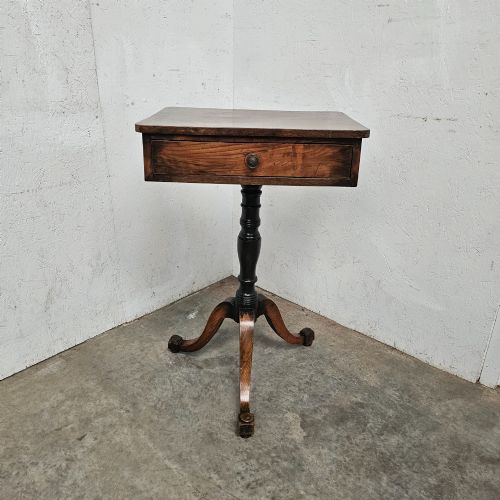
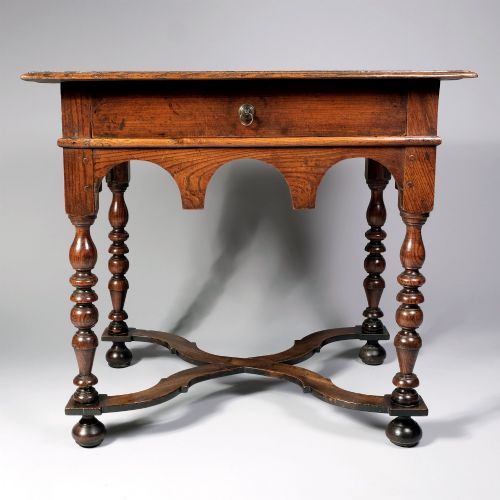
European elm furniture typically follows classical Western forms such as commodes, side tables, and bureau desks with traditional joinery. Asian examples, including altar tables and apothecary chests, utilise distinct framing techniques and regional hardware suited to local interiors.
Both traditions highlight the expressive grain of the wood, but the structural proportions and functional purposes reflect entirely different cultural heritages. Understanding these design languages helps explain the varied silhouettes found in the collection.