



Elm and Yew Chair
An elm and yew chair brings together country craftsmanship and distinctive timber, offering a robust seating form shaped by generations of vernacular makers.
Elm and Yew Chair
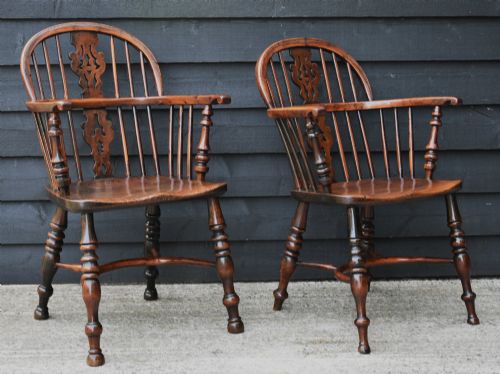
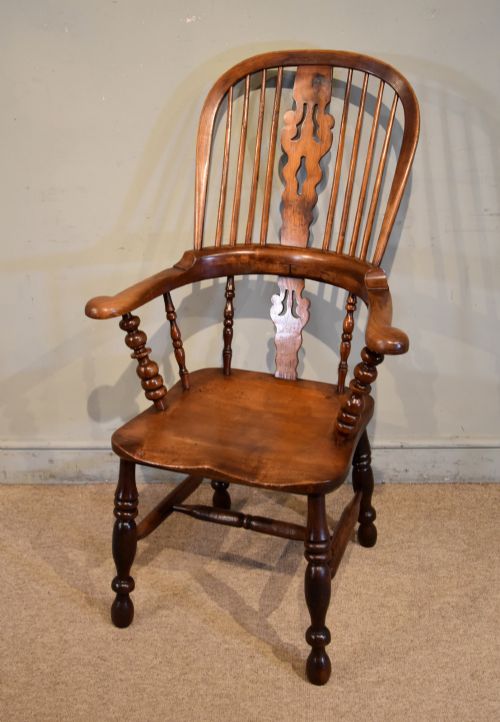
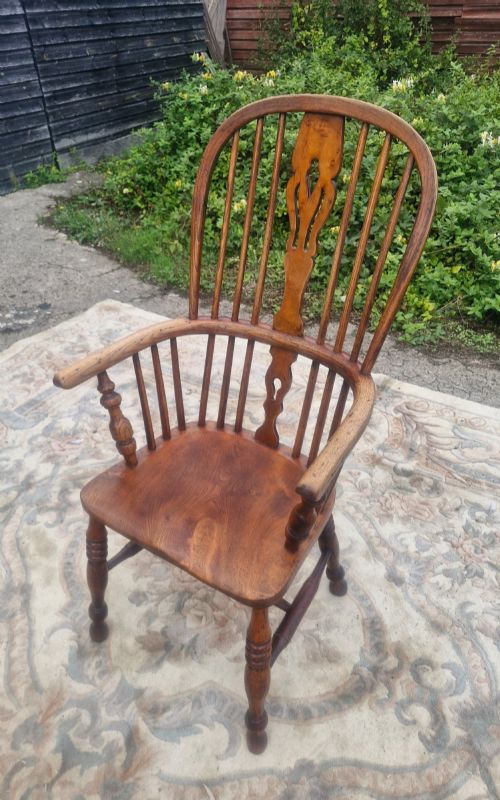
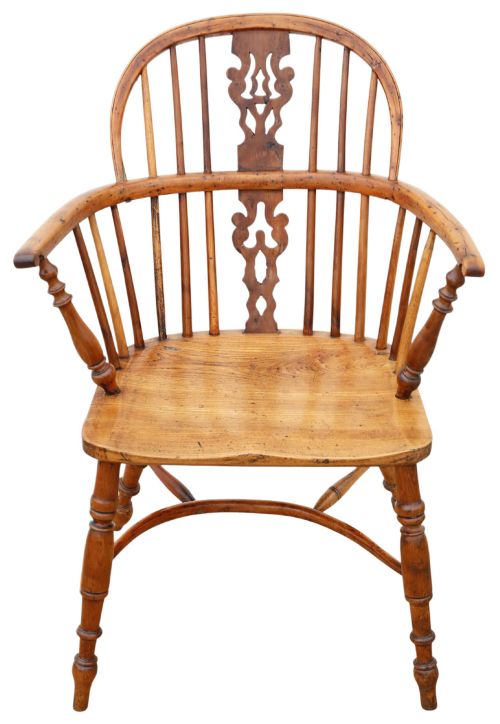
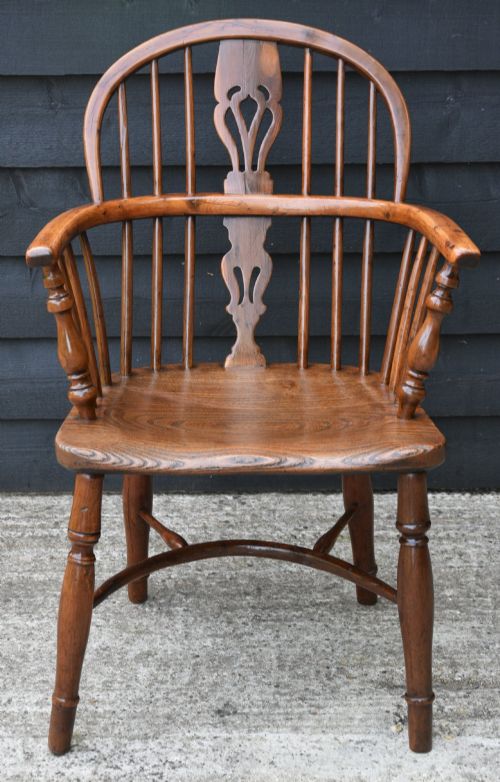
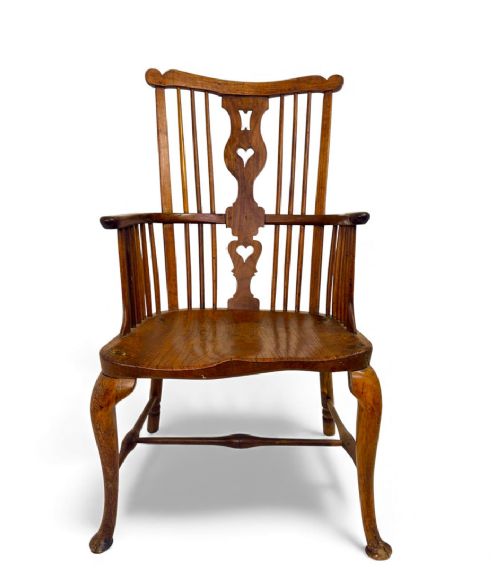
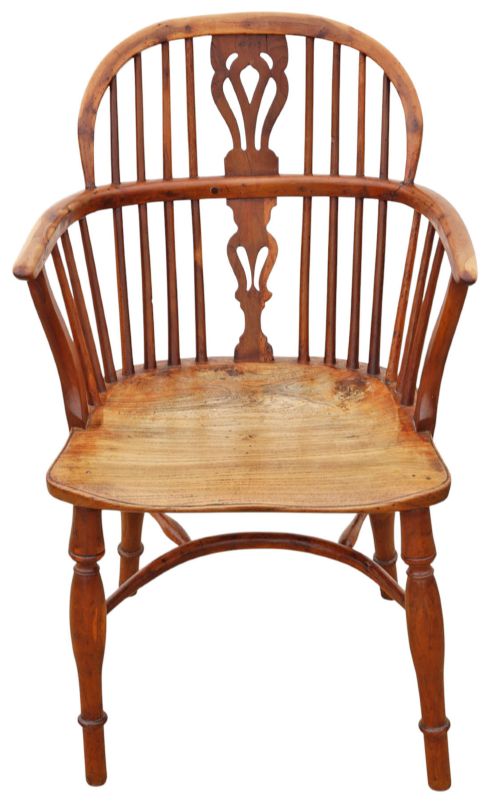
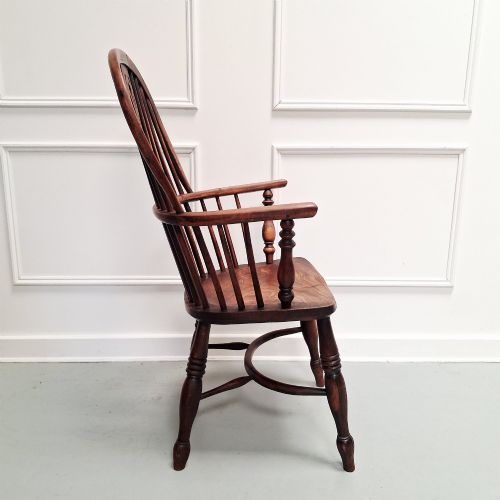
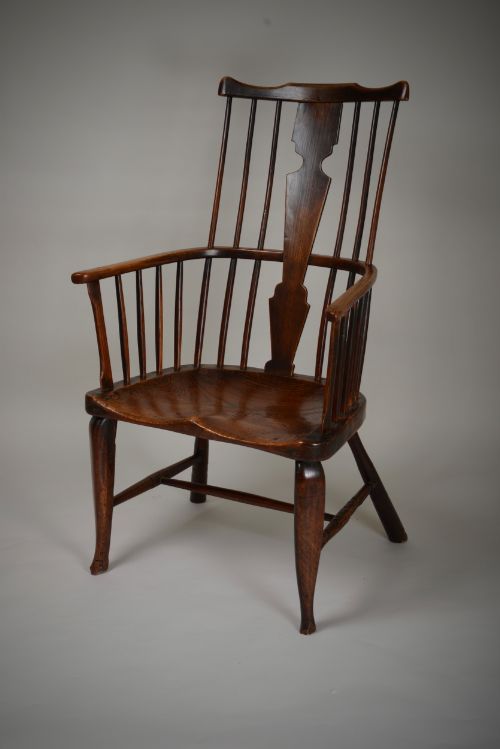
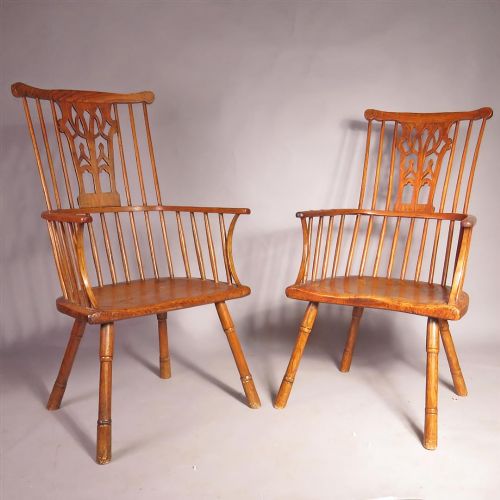
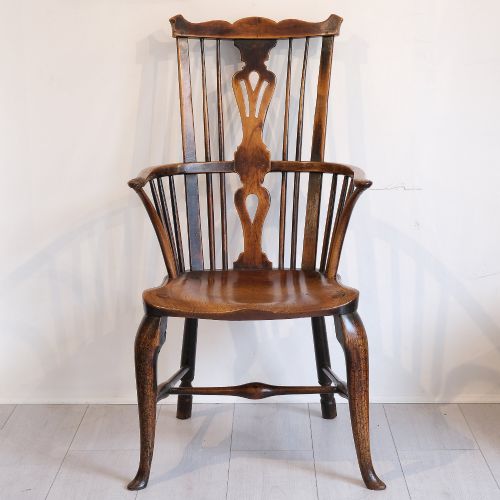
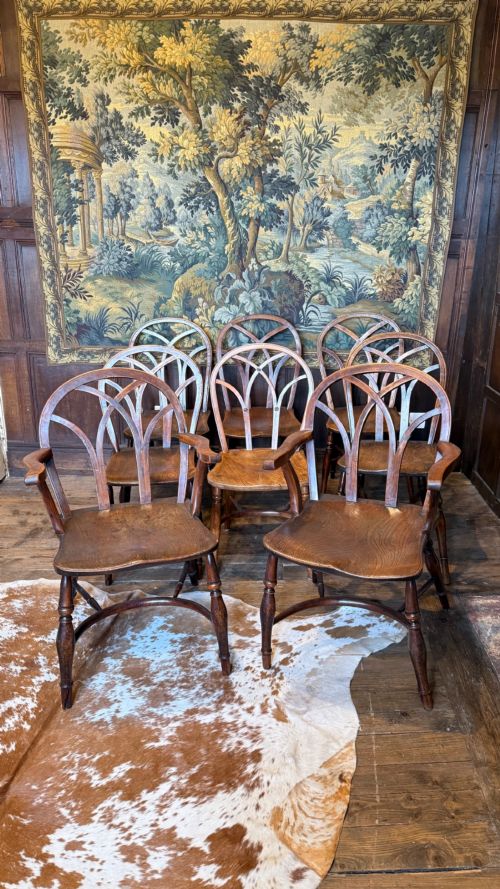
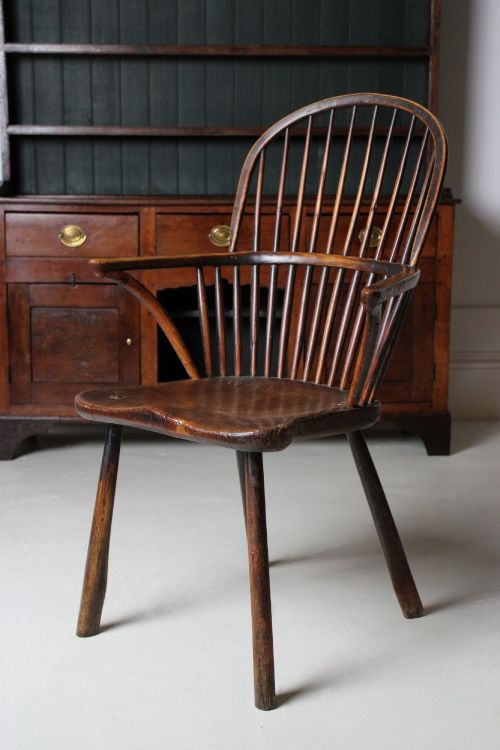
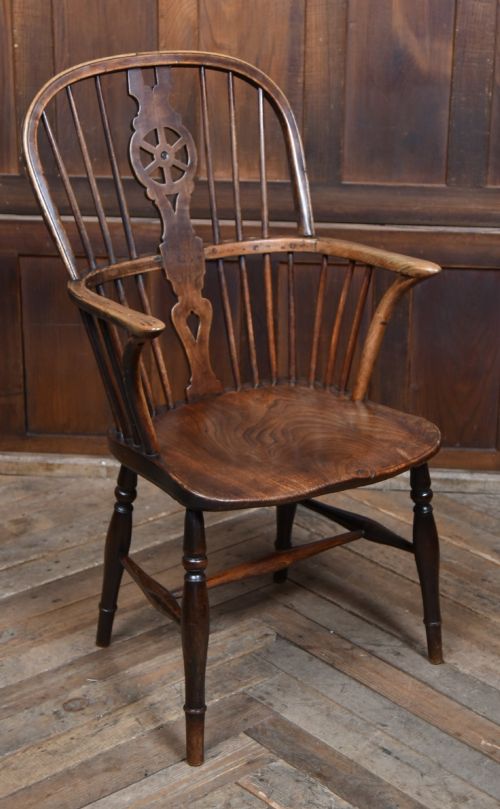
When you search for an elm and yew chair, you encounter regional seating traditions spanning the eighteenth and nineteenth centuries, predominantly taking the form of Windsor armchairs, carvers, and low backs.
The selections here range from Georgian Thames Valley examples to Victorian country pieces, encompassing comb backs, wheel backs, hoop backs, and stick backs.
These chairs served primarily as functional seating in domestic and rural settings, combining sturdy construction with regional variations in splats, spindles, and stretchers.
Materials and construction methods
Maker construction relies on a combination of timbers, pairing carved elm seats with yew wood for the bent parts, complemented occasionally by ash, beech, fruitwood, oak, or laburnum.
Makers utilised steam bending for structural elements like the bow and hoop, securing spindles into solid plank seats using traditional joinery.
Elm and Yew Chair Retail Price Guide 2026
Typical asking prices for elm and yew chair among the pieces listed under this phrase on Sellingantiques today, from the lower quarter to the upper quarter. They describe what is for sale here now, not the wider market.
Makers occasionally incorporated unexpected woods like laburnum and fruitwood alongside traditional elm and yew.
Assessing quality in regional seating
Quality rests on the figure and warmth of the timber selection, particularly the richness of the yew grain and the character of the elm seat.
J Spencer
The Elm and Yew Chair Glossary
- Comb back
- A Windsor chair design where the upright spindles pierce a horizontal top rail, resembling the teeth of a comb.
- Crinoline stretcher
- A curved under-framing brace linking the legs of a chair, often found on mid-Georgian and later examples.
- Thames Valley
- A recognised regional English style of Windsor chair production known for refined yew and elm construction.
- Wheel back
- A chair back featuring a pierced splat carved in the shape of a spoked wheel.
- Vernacular
- Objects made by local craftsmen following traditional regional patterns rather than strict academic design rules.
Elm and Yew Chair: Frequently Asked Questions
What is an elm and yew chair?
An elm and yew chair is a traditional wooden seat, most commonly a Windsor chair, featuring a solid carved elm seat combined with yew wood for the upper framework and spindles.
These pieces emerged from regional English workshops during the Georgian and Victorian periods, prized for their durable construction and distinct local styles.
How do I identify a Thames Valley chair?
Thames Valley chairs typically exhibit refined proportions, often incorporating yew wood of high figure and distinctive crinoline stretchers connecting the legs.
They represent a specific geographical tradition of English country furniture making during the eighteenth and nineteenth centuries.
Where were these chairs used?
These chairs served as everyday seating in country houses, farmhouses, and vernacular interiors, functioning as dining seats, armchairs, or captains chairs.
Their robust design suited heavy domestic use while providing lumbar support through shaped backs and arm rests.
How do I care for antique wood?
Maintain antique elm and yew surfaces by keeping them away from direct heat sources and sudden temperature fluctuations that can dry out the timber.
Apply occasional appropriate wax polish to nourish the wood and preserve the natural patina developed over generations.