

Edwardian Yellow Gold
Edwardian yellow gold encompasses rings, chains and brooches shaped by the aesthetic movements of the early twentieth century.
Edwardian Yellow Gold
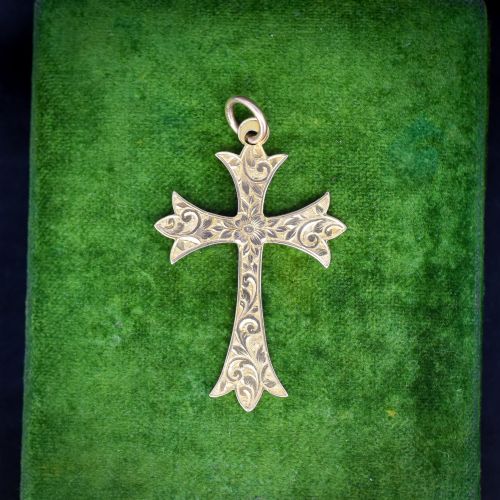
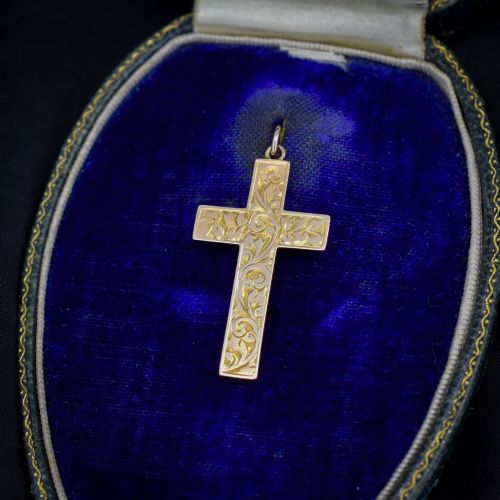
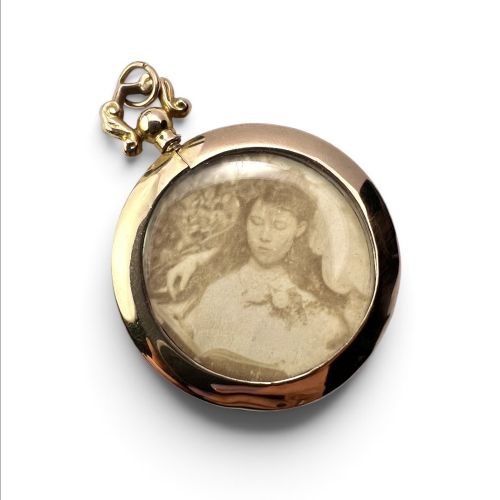
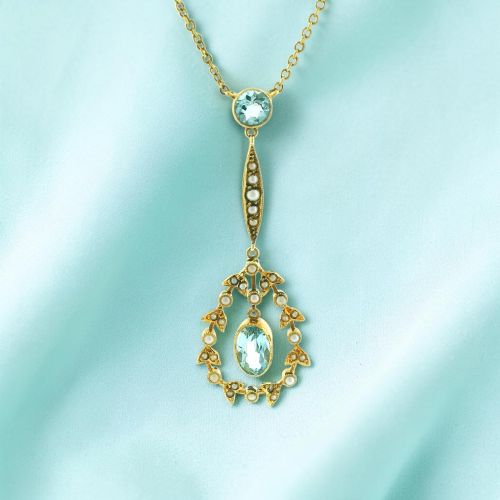
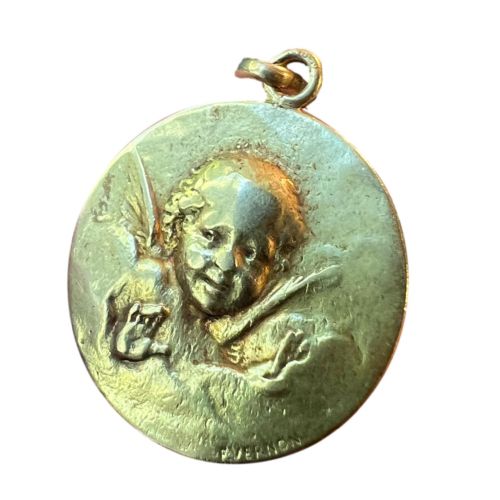
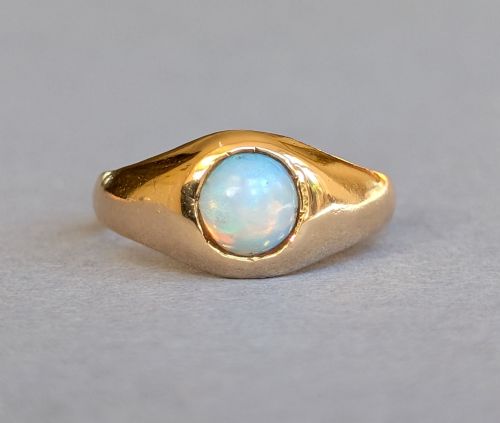
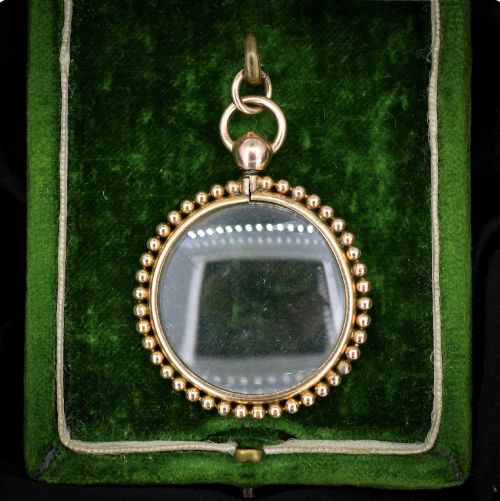
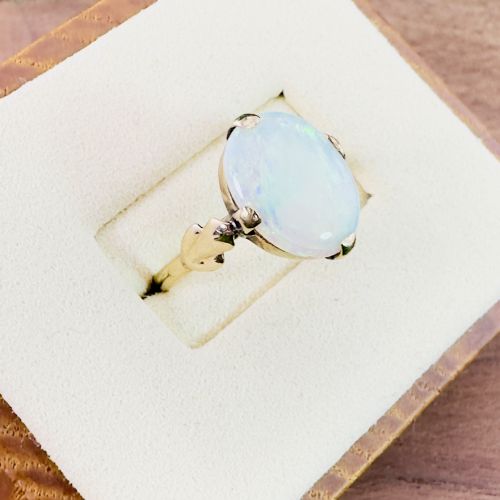
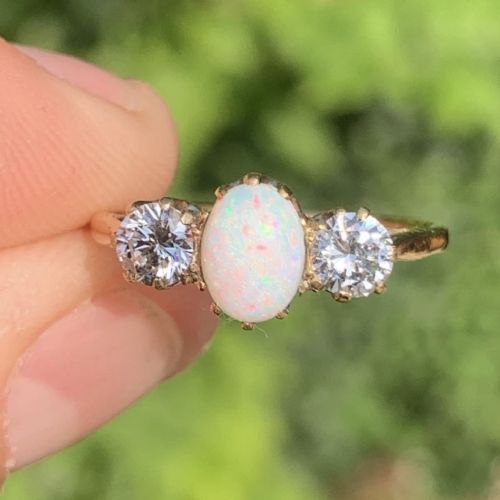
Edwardian yellow gold defines a distinct era of jewellery production spanning the late nineteenth and early twentieth centuries, represented on this page by rings, chains, bracelets, earrings and brooches. The selection frequently includes cluster rings, drop earrings, lockets and pendants set with diamonds, sapphires, rubies, peridots and amethysts.
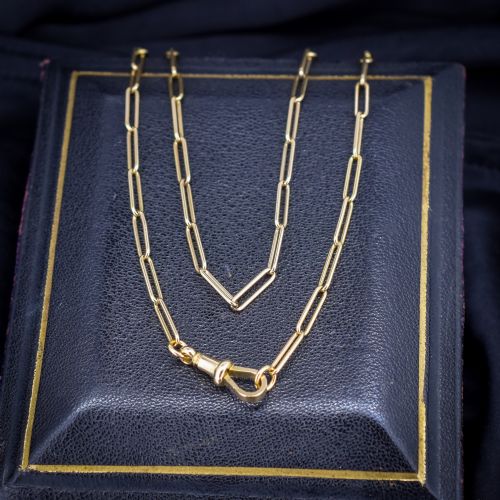
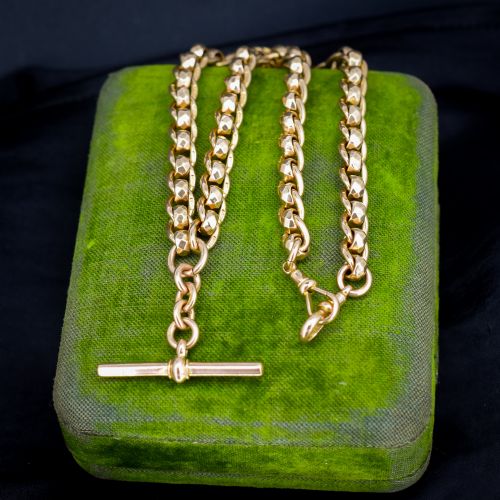
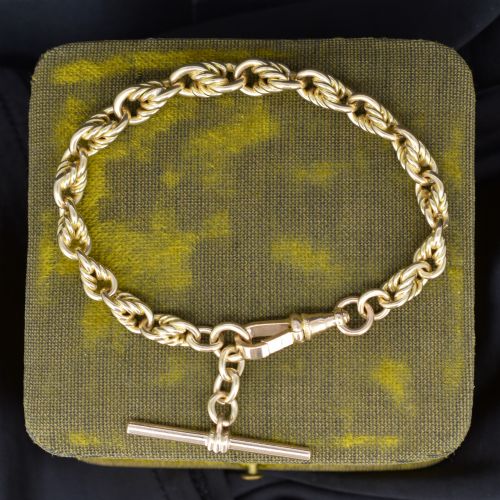
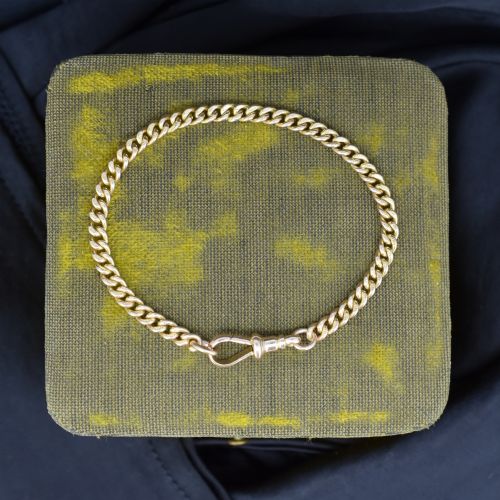
Pieces from this category draw upon Edwardian, Art Nouveau, Baroque Revival and Victorian Realism styles. Buyers encounter both delicate openwork floral designs and substantial curb link or paperlink chain bracelets fitted with T-bars and dog clips.
The objects originate primarily from the Edwardian period and adjacent decades, offering wearable examples of historic goldsmithing that bridge late Victorian traditions and early twentieth-century artistry.
Materials and construction
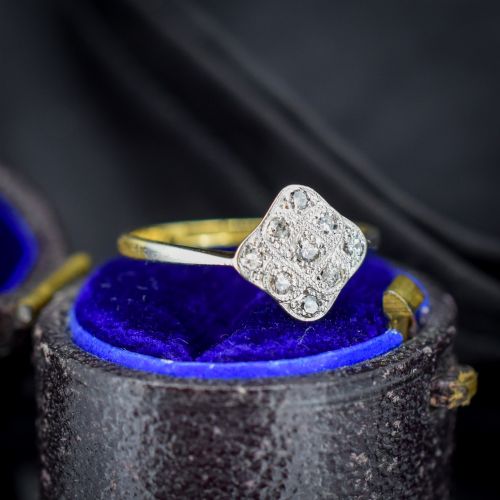
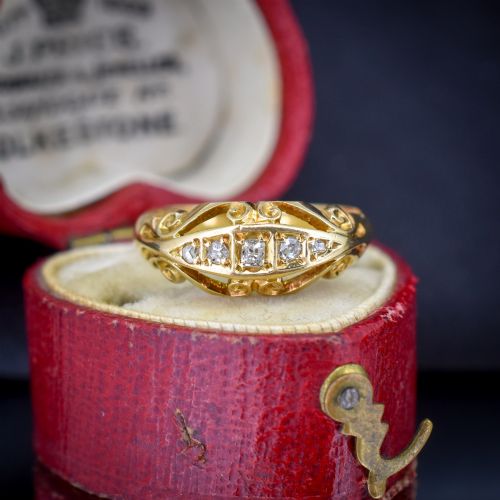
Goldsmiths utilised 9ct, 14ct, 15ct and 18ct yellow gold alongside platinum mounts to secure stones and form structural components. Gemstones including old mine cut and old cut diamonds, natural pearls, seed pearls, carnelians and agates were integrated into settings using hand-tooling techniques of the era.
Chains and bracelets were constructed from individual hollow or solid links such as curb, paperlink, trombone and love knot patterns, often finished with barrel clasps or swivel fobs. Brooches and pendants frequently employed openwork filigree and millegrain edging to frame central sapphires, amethysts and rubies.
Edwardian Yellow Gold Retail Price Guide 2026
Typical asking prices for edwardian yellow gold among the pieces listed under this phrase on Sellingantiques today, from the lower quarter to the upper quarter. They describe what is for sale here now, not the wider market.
An antique spinning fob lets the wearer indecisively rotate a carnelian seal between two different moods with a flick of the thumb.
Distinctions in quality
The standard of an Edwardian yellow gold piece rests upon the weight and purity of the metal, alongside the carat weight, cut and natural origin of any set gemstones. Heavier gauge links in bracelets and substantial gold weight in bangles signal superior durability and material value.
Execution of fine details, such as precise millegrain work around diamond bezels, balanced openwork floral motifs and well-preserved enamel, separates standard production from finer workshop output. The presence of documented maker marks further distinguishes specific pieces within the range.
Deakin & Francis
The Edwardian Yellow Gold Glossary
- Navette
- A boat-shaped gemstone setting that tapers to points at both ends. This silhouette is frequently seen in cluster rings from the period.
- Old mine cut
- An early diamond cut characterised by a cushion shape, high crown and small table facet. These stones were hand-faceted before modern brilliant cutting standards were established.
- Millegrain
- A decorative technique featuring a row of small, raised metal beads along the edges of a setting. It provides a soft, textured border around diamonds and coloured gemstones.
- T-bar
- A short bar attached to the end of a pocket watch chain or bracelet. It was originally designed to secure the chain through a buttonhole or vest pocket.
- Dog clip
- A spring-loaded clasp used on antique chains and bracelets for attaching charms or secure fastenings. The mechanism relies on a thumb lever to open the spring gate.
Edwardian Yellow Gold: Frequently Asked Questions
How do I style Edwardian yellow gold jewellery?
These pieces integrate easily into modern wardrobes through layering delicate chain necklaces or wearing single statement cluster rings. Their warm metal tones complement contemporary attire while retaining historical character.
Mixing different link styles, such as curb link bracelets with modern timepieces, adds textural contrast. Care should be taken with delicate items like seed pearl necklaces during daily wear.
Were these pieces worn daily in period?
Original owners wore these items extensively for social engagements, daily promenades and formal evening events. Heavier chains and lockets served practical daily functions as watch attachments and portrait holders.
Sturdier constructions like 15ct gold bangles and curb link bracelets were built to withstand regular handling. More delicate openwork creations required greater care from their original owners.
How do I identify an Edwardian piece?
Dating relies upon hallmarks, metal purities like 9ct and 15ct gold, and stylistic markers such as platinum-topped gold settings. The presence of old cut diamonds and specific motifs like floral openwork point directly to the early twentieth century.
Proportions and construction methods also differentiate these items from later mid-century designs. Consulting the specific material descriptions helps confirm the manufacturing era.
What maintenance do antique gold items need?
Routine cleaning requires only warm soapy water and a soft brush to remove surface oils from gemstones and intricate metalwork. Harsh chemical dips should be avoided, particularly with pearls, amethysts and softer organic materials.
Periodic checks by a specialist ensure that claw settings and prong mounts remain secure around diamonds and sapphires. Proper storage in lined boxes prevents scratching between wears.