





Edwardian Writing Tool
These pieces for an Edwardian writing tool bring functional elegance to a desk, offering practical utility alongside period charm.
Edwardian Writing Tool
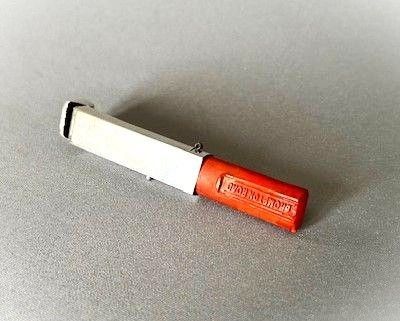
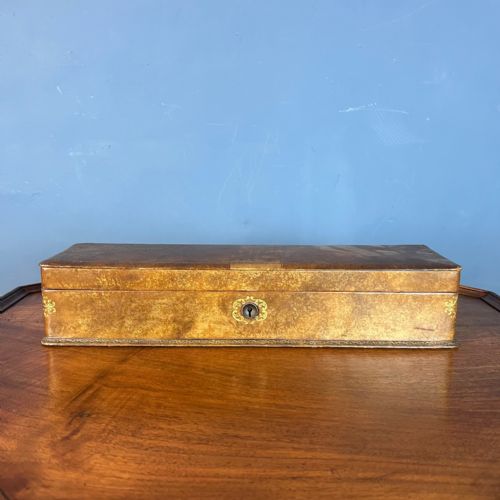
An edwardian writing tool encompasses items designed for correspondence and desk management, bridging the late Victorian era and the early twentieth century. These objects include specialised silver desk rulers, vesta and sealing wax combinations, tooled leather pen boxes, and technical drawing sets.
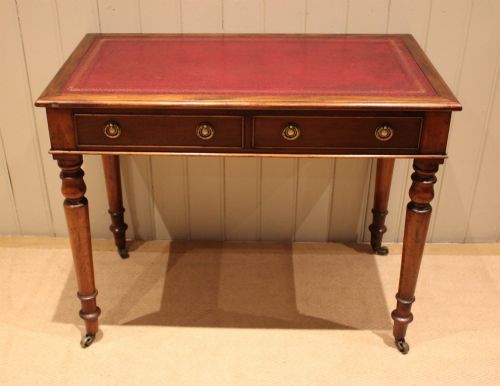
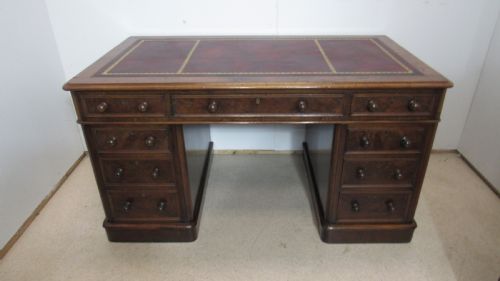
Desks and writing tables form the larger furniture items associated with this category, often featuring inlaid mahogany or oak construction. Walnut centre tables and pedestal desks also appear, frequently retaining original tooled leather inset tops.
The objects span from the late nineteenth century into the Edwardian period, capturing styles ranging from Arts and Crafts to Reformed Gothic. Buyers will encounter both small desk accessories in silver and wood, and larger workspace furniture.
How they were made
Makers utilised traditional timbers such as mahogany, oak, and walnut for furniture and larger boxes, frequently incorporating fine inlay work. Solid construction methods define the period, with woods often left with a polished finish.
Sealing wax and technical instruments were produced using specialised manufacturing processes of the era, remaining intact within their original fitted cases.
Edwardian Writing Tool Retail Price Guide 2026
Typical asking prices for edwardian writing tool among the pieces listed under this phrase on Sellingantiques today, from the lower quarter to the upper quarter. They describe what is for sale here now, not the wider market.
Some Edwardian silver rulers survive with their original sealing wax completely untouched, as though correspondence was immediately abandoned for the motor car.
What varies in quality
The standard of timber selection and complexity of inlay distinguish finer pieces from simpler utilitarian items. Mahogany and walnut pieces with deliberate decorative detailing represent the upper tier of the range.
The retention of original elements, such as tooled Moroccan leather inserts and unused sealing wax within silver holders, elevates a piece's authenticity. Craftsmanship in silver hallmarks and fitted interior compartments further marks the distinction between standard production and superior examples.
Maple & Co
The Edwardian Writing Tool Glossary
- Edwardian
- Pertaining to the reign of King Edward VII, spanning from 1901 to 1910, though the aesthetic often encompasses the broader early twentieth century. Pieces from this era generally favour lighter forms than their Victorian predecessors.
- Reformed Gothic
- A nineteenth-century design style reviving medieval architectural forms with a strict, linear interpretation. This style appears on walnut tables listed in the inventory.
- Arts and Crafts
- A design movement valuing traditional craftsmanship and simple forms over mass production. Oak writing tables often reflect this philosophy.
- Vesta Case
- A small pocket or desk container originally designed to hold wax matches. These items are sometimes combined with sealing wax holders.
- Pedestal Desk
- A heavy, freestanding desk comprising two pedestals of drawers supporting a single desktop. These are typically executed in mahogany or walnut.
Edwardian Writing Tool: Frequently Asked Questions
What is an edwardian writing tool?
An edwardian writing tool refers to objects and furniture created for correspondence and study during the early twentieth century. The category includes silver desk rulers, pen boxes, and drawing sets.
Larger items like writing tables and pedestal desks also fall into this functional group, designed to organise the workspace.
How do I care for tooled leather?
Tooled leather desk inserts require protection from direct sunlight and excessive moisture to prevent drying and cracking. Gentle dusting with a dry cloth is generally sufficient for regular maintenance.
Avoid modern chemical cleaners, which can damage the gilt tooling and aged surface of the leather.
Were sealing wax holders common?
Sealing wax holders were standard accessories for correspondence before the widespread adoption of self-adhesive envelopes. They were frequently paired with rulers or vestas in silver.
Finding these objects with their original wax unused is an uncommon survival.