
Edwardian Wooden Chest
An Edwardian wooden chest brings practical storage and proportion, whether finished in polished mahogany, warm oak, or figured walnut.
Edwardian Wooden Chest
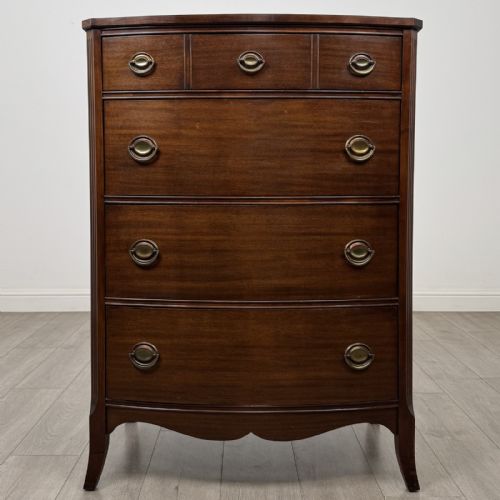
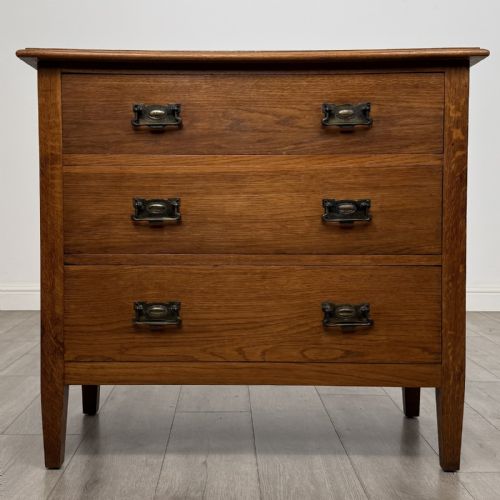
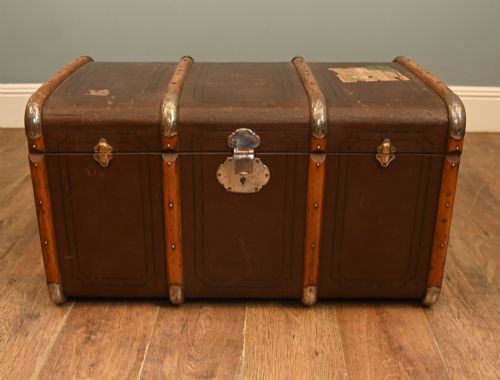
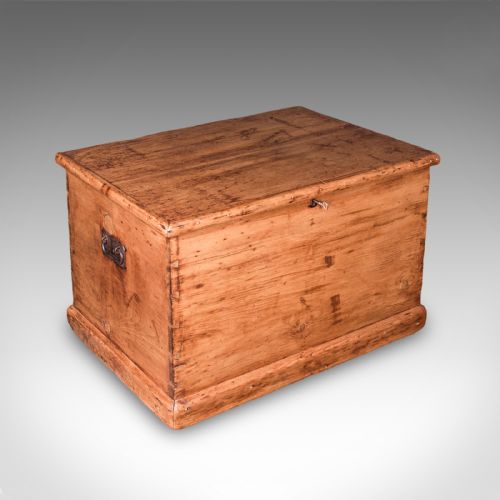
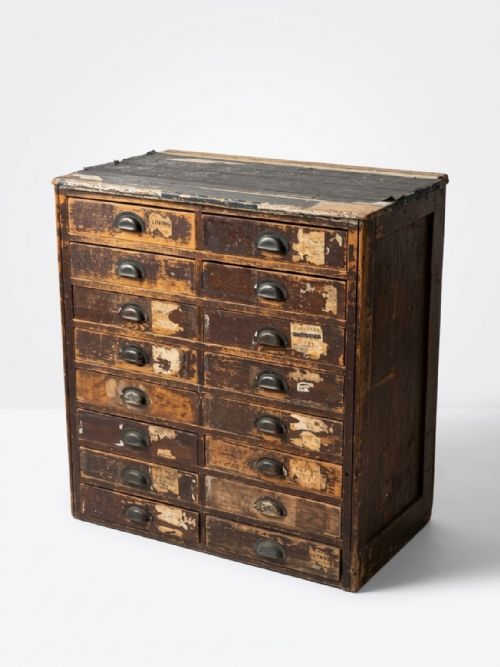
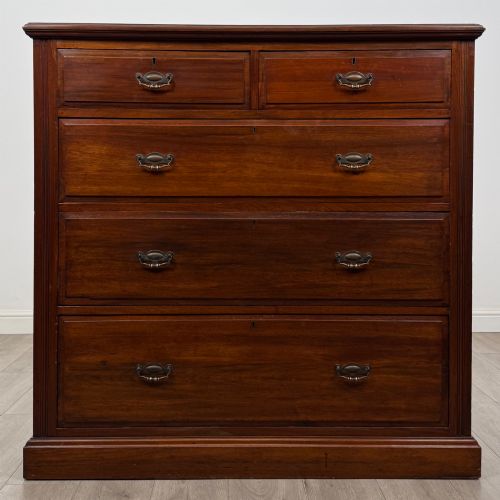
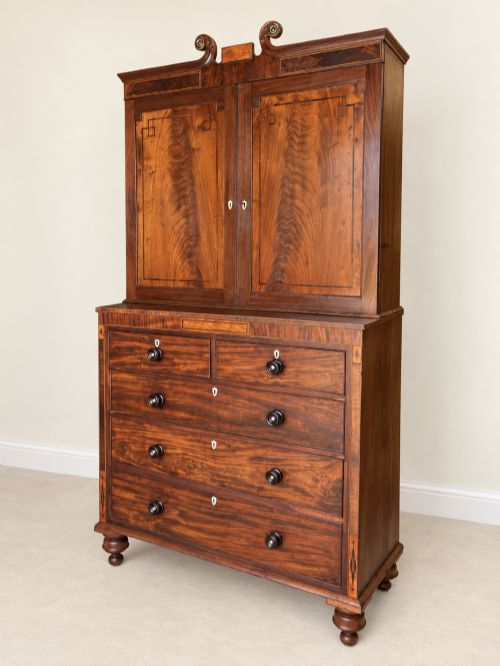
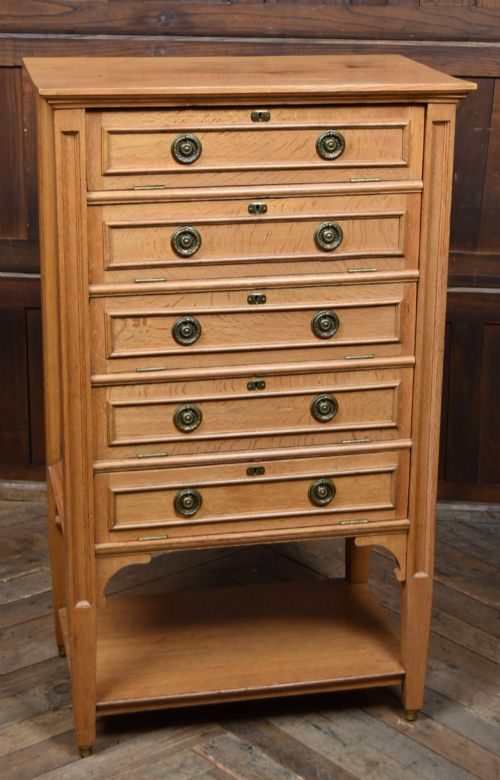
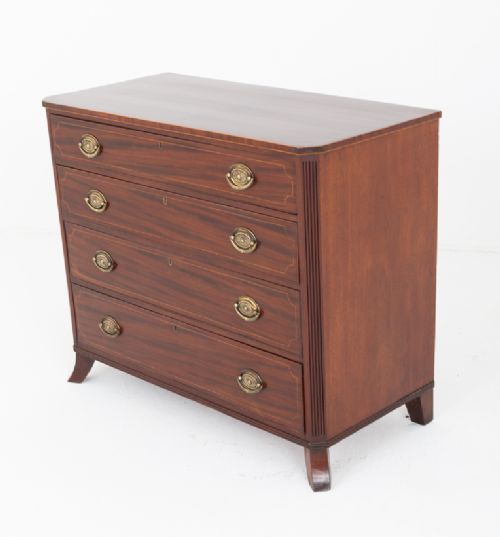
An Edwardian wooden chest combines domestic utility with refined cabinet work, serving as a primary storage solution in bedrooms and living spaces. These pieces appear primarily as chests of drawers, alongside specialised filing cabinets, blanket boxes, and tallboys.
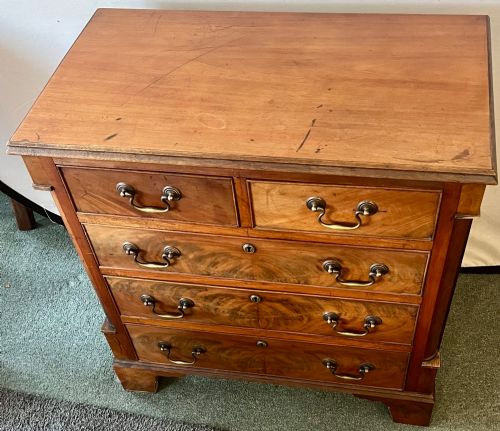
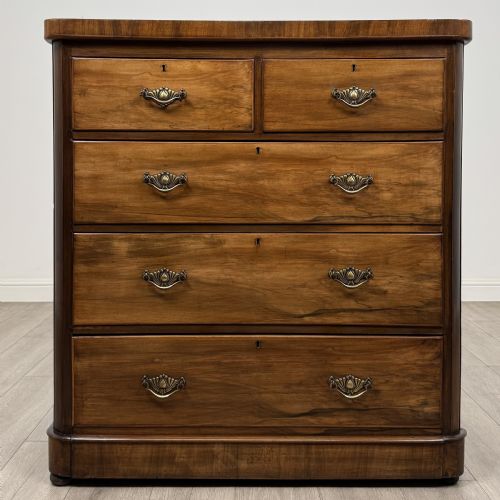
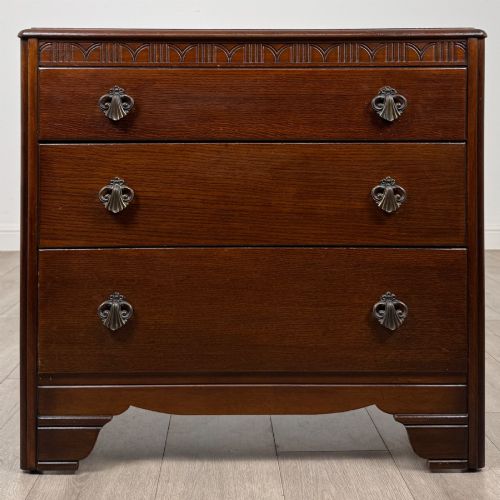
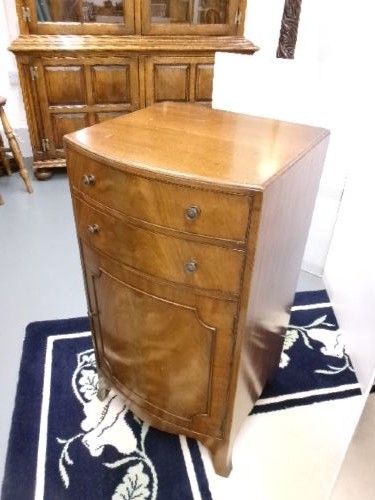
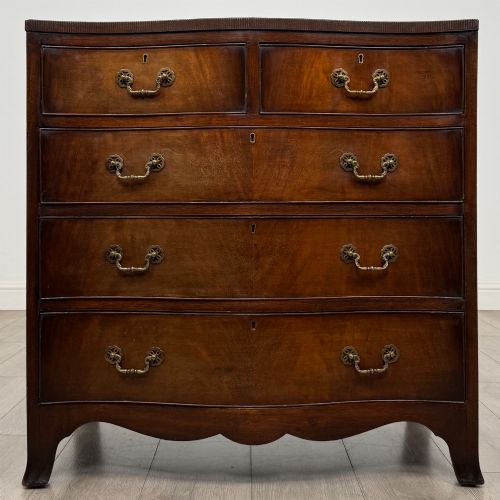
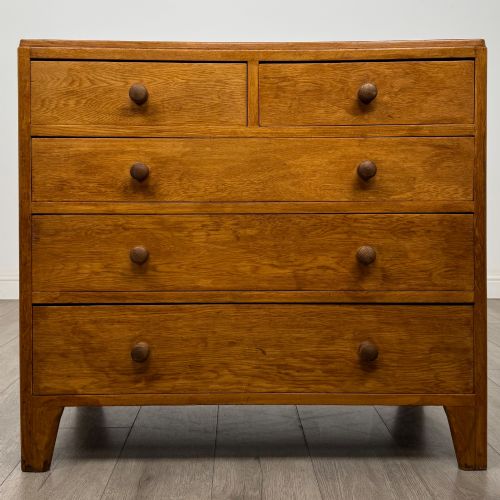
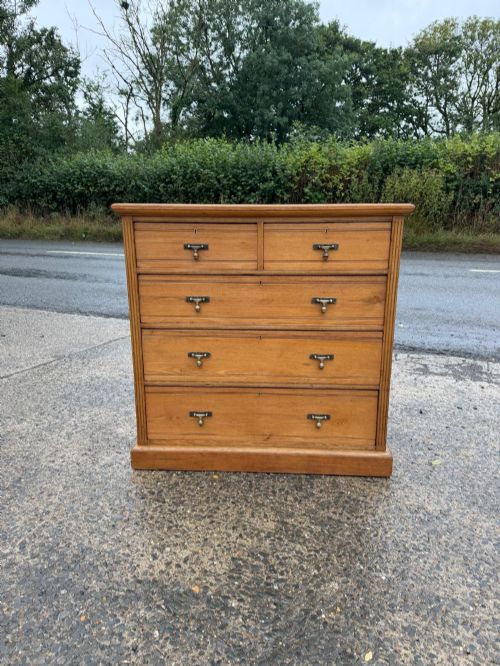
The version met most frequently on this page is the upright mahogany or oak chest of drawers, often constructed with multiple graduated drawers. Alongside these traditional forms, utilitarian filing pieces and smaller bedside variants emerge from the period.
Makers and workshops of the era drew upon earlier Georgian and Regency proportions while streamlining decoration for Edwardian interiors. The resulting furniture balances functional capacity with restrained architectural detailing.
Materials and Construction
Cabinet makers utilised dense hardwoods such as mahogany, oak, and walnut, frequently selecting flame mahogany and figured veneers for primary display surfaces. Pine and ash appear in structural elements and secondary timbers behind the visible exterior.
Construction methods relied on traditional joinery, including dovetail joints for drawer boxes and mortise and tenon frames for cabinetry. Brass handles, escutcheons, and tambour mechanisms provided functional metalwork alongside polished wooden surfaces.
Judging Quality
Quality rests upon the selection of timber and the precision of the grain matching across drawer fronts and top panels. Pieces featuring figured walnut, flame mahogany, or quarter-sawn oak demonstrate greater attention to material selection.
The refinement of the internal construction, from hand-cut dovetailing to smooth drawer runners, distinguishes standard utilitarian output from superior cabinet work. Original brass hardware and intact locking mechanisms further indicate a higher standard of manufacture.
Whytock and Reid·Sir Clough Williams Ellis·Jas Shoolbred
The Edwardian Wooden Chest Glossary
- Wellington chest
- A tall, narrow chest of drawers secured by a hinged locking stile on one side that fastens with a key. This form originated in the nineteenth century and continued into the Edwardian era.
- Tambour front
- A flexible shutter door formed of narrow wooden slats glued to a canvas backing, sliding horizontally in tracks. This mechanism appears frequently on Edwardian filing cabinets and desks.
- Tallboy
- A tall chest of drawers consisting of one chest stacked upon another, or a single tall carcass. It maximises vertical storage capacity while maintaining a compact footprint.
- Figured mahogany
- Mahogany timber displaying irregular, highly decorative grain patterns caused by branch junctions or growth variations. Cabinet makers placed these veneers centrally on drawer fronts.
- Brushing slide
- A pull-out wooden shelf integrated into the upper section of a chest for folding clothes or writing. This feature references earlier Georgian cabinet design.
Edwardian Wooden Chest: Frequently Asked Questions
What defines an Edwardian wooden chest?
An Edwardian wooden chest is a storage piece produced during the reign of King Edward VII or the broader Edwardian epoch, typically featuring balanced proportions and traditional timber construction.
These pieces reflect both the revival of Georgian styles and the functional requirements of early twentieth-century domestic interiors.
How do I identify oak versus mahogany chests?
Oak exhibits a prominent, coarse grain with distinct medullary rays, often finished in a warm golden or dark brown tone. Mahogany presents a smoother, reddish-brown surface that can feature dramatic flame or stripe figuring.
Both timbers received distinct polishing treatments during the Edwardian period to highlight their natural grain structures.
Where were these chests used in the home?
Bedrooms utilised these chests for linen and garments, while studies and hallways accommodated specialised variants like filing cabinets and side cabinets. Their adaptable proportions suited both formal reception rooms and private chambers.
Smaller bedside tables and music cabinets provided targeted storage for specific household items.
How do I care for polished wood surfaces?
Maintain polished timber by applying traditional beeswax periodically to nourish the grain and protect the finish from drying out. Avoid placing wooden furniture in direct sunlight or near heat sources to prevent timber splitting.
Dust regularly with a soft, dry cloth rather than using silicone-based sprays.