

Edwardian Wood Wardrobe
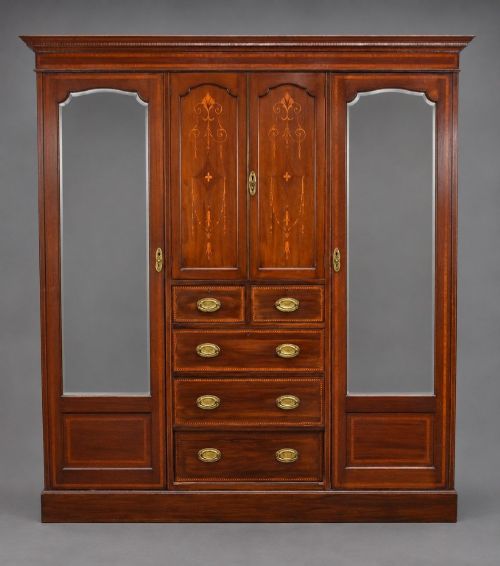
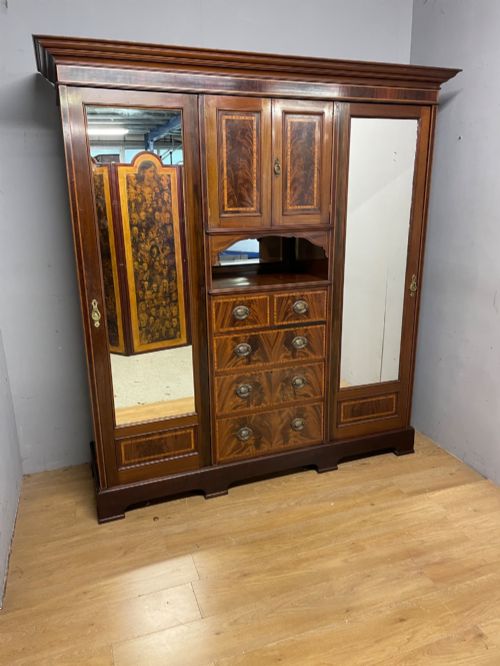
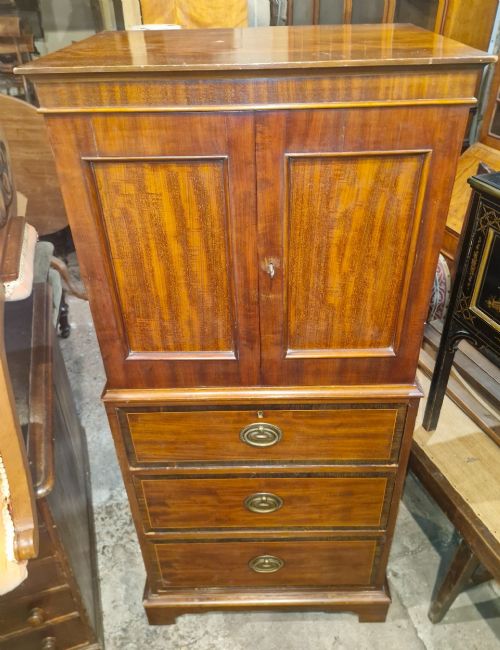
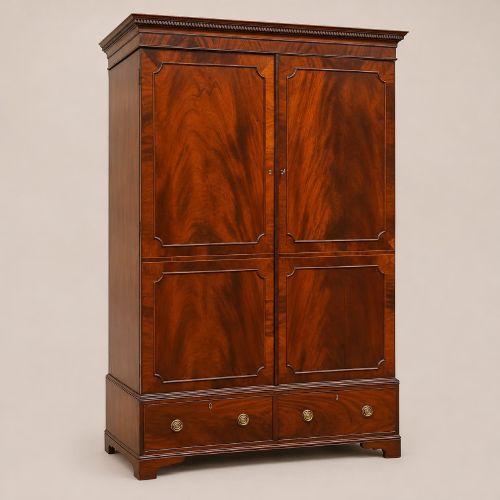
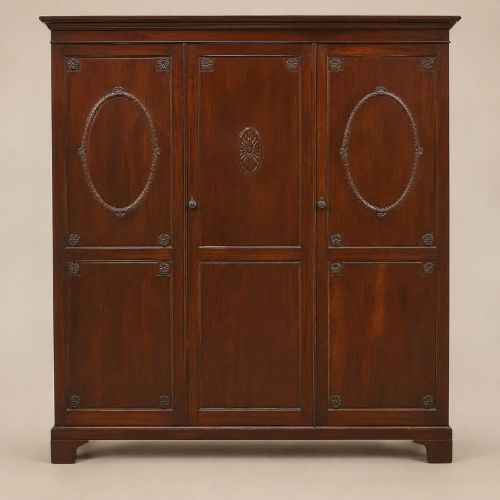
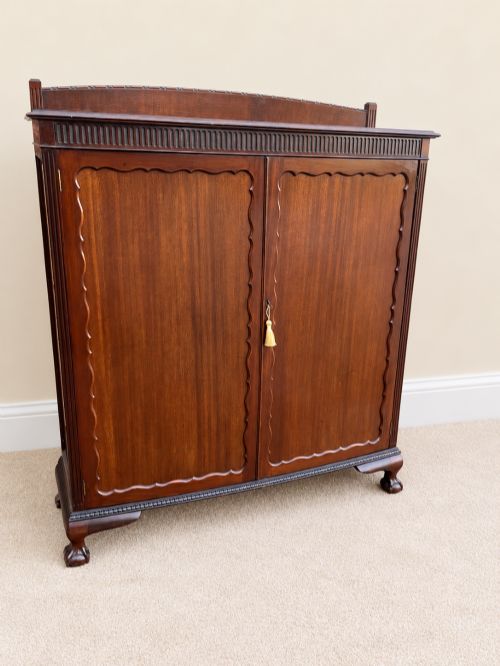
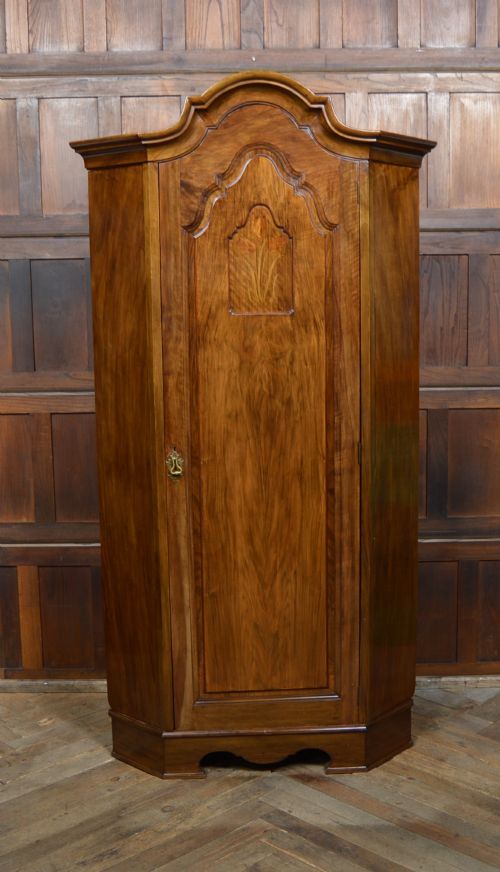
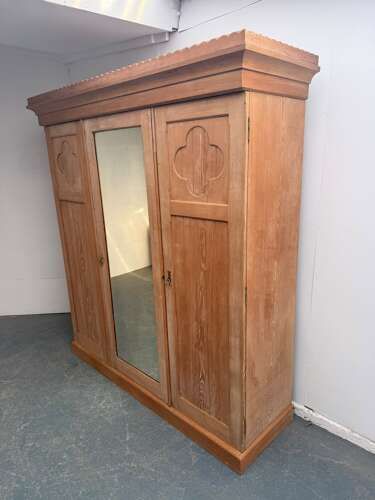
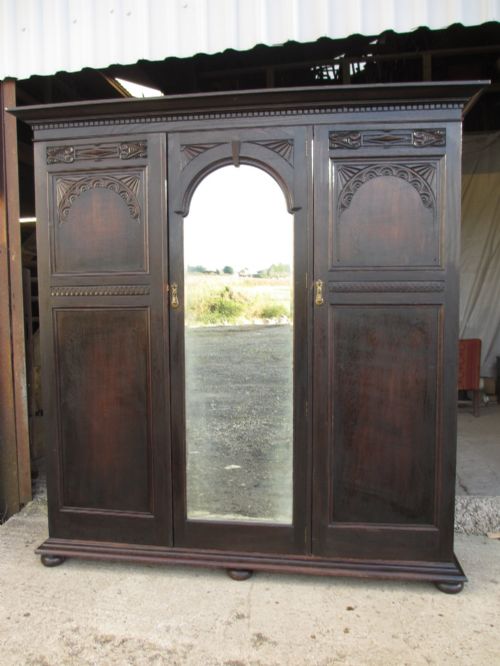
An Edwardian wood wardrobe brings generous scale and rich timber grain to a bedroom, offering substantial hanging space alongside fitted drawers or linen shelves.
Edwardian Wood Wardrobe
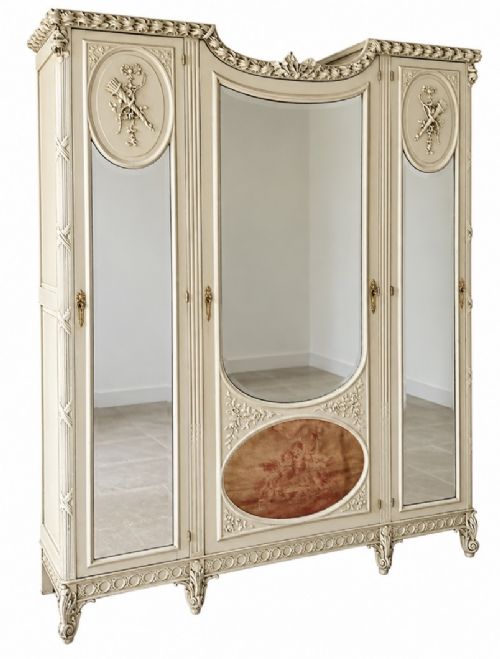
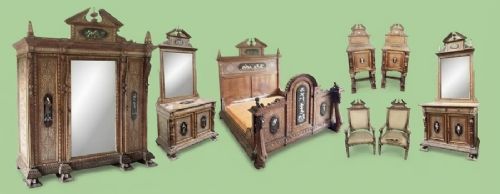
The selection includes pieces influenced by Sheraton Revival grace, Arts and Crafts simplicity, and sinuous Art Nouveau detailing alongside utilitarian folding sports versions and steamer trunks. Mahogany, oak, and walnut form the structural backbone of these bedroom and hallway cabinets, supplemented by satinwood and ash.
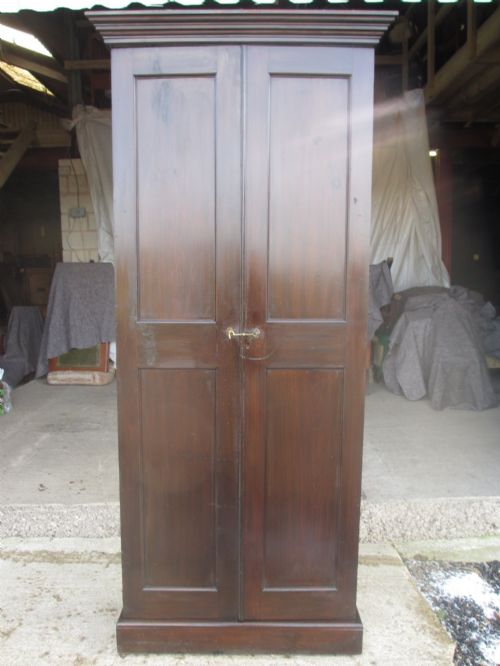
While Edwardian examples dominate the date range, Victorian and nineteenth century influences appear frequently across the listings in both freestanding and combination formats. Buyers encounter everything from narrow single-door cupboards to expansive breakfront wardrobes with multiple mirrored sections.
Materials and construction
Cabinet makers utilised solid timbers alongside figured mahogany, walnut, and satinwood veneers applied to stable pine or oak carcases. Panel construction accommodated seasonal timber movement, while brass handles, hinges, and hanging rails provided functional mechanical support.
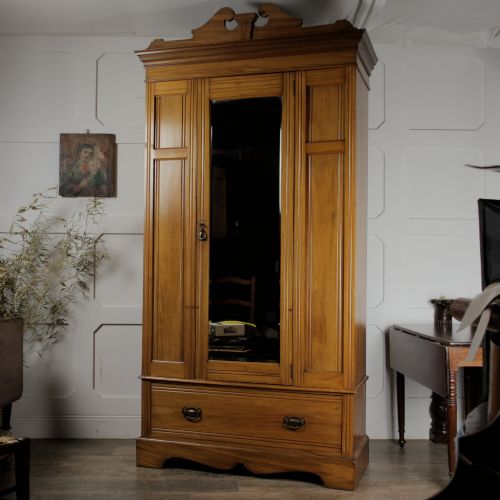
Carved ornament, inlaid stringing, and marquetry panels decorated the primary display surfaces of finer examples, contrasting with waxed or polished plain grain finishes. Large mirrored door plates were bevelled and set securely into heavy timber frames to withstand the weight of the swinging panels.
Edwardian Wood Wardrobe Retail Price Guide 2026
Typical asking prices for edwardian wood wardrobe among the pieces listed under this phrase on Sellingantiques today, from the lower quarter to the upper quarter. They describe what is for sale here now, not the wider market.
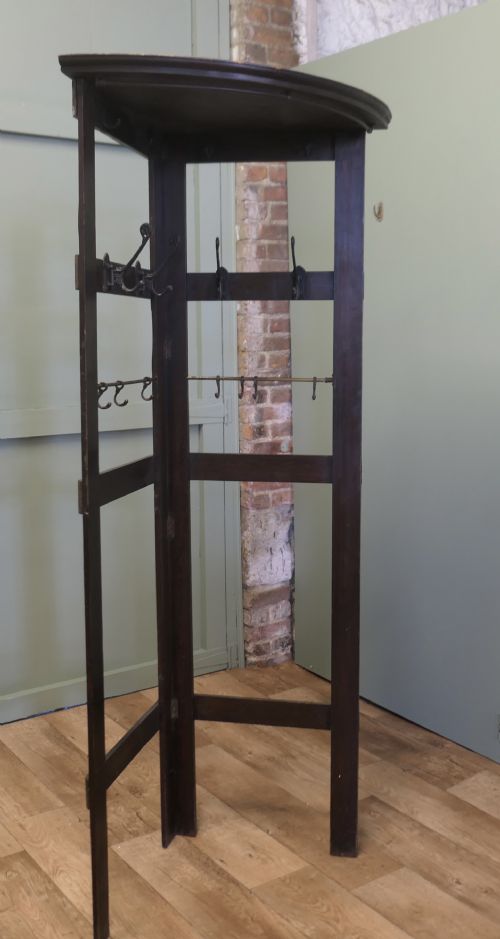
A portable folding sports wardrobe offers an early glimpse into mobile luggage solutions for the Edwardian traveller on the move.
Standards of craftsmanship
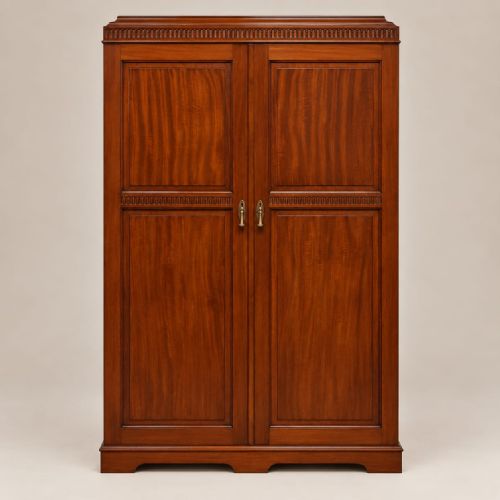
Distinction lies in the selection of figured timbers and the crispness of hand carving or delicate marquetry inlay across the doors and cornice. Superior pieces maintain structural rigidity in their heavy doors, ensuring tight panel alignment and smooth operation of internal drawers and hanging spaces.
The integration of fitted interior components, such as sliding linen shelves, compartmented compactum sections, and original brass hardware, elevates the construction standard. Subtle details like cleanly dovetailed drawer boxes and well-fitted cornices separate standard workshop output from exceptional cabinet work.
Waring & Gillows·Wylie Lochhead of Glasgow·Edwards & Roberts·Maples & Co
The Edwardian Wood Wardrobe Glossary
- Compactum
- A large wardrobe combining hanging compartments with multiple internal drawers, shelves, and sometimes linen presses. This fitted internal arrangement maximises storage capacity within a single footprint.
- Linen Press
- A tall cupboard featuring upper sliding trays or shelves enclosed by doors, positioned above a base section of drawers. These pieces traditionally stored folded linens and garments.
- Breakfront
- A cabinet design where the central section projects forward from the flanking wings. This architectural layout creates visual depth and allows for wider internal hanging or drawer space.
- Marquetry
- The art of forming decorative patterns on woodwork by fitting together small pieces of different coloured veneers. Artisans used contrasting timbers to create floral, geometric, or classical motifs.
- Sheraton Revival
- A late nineteenth century design style drawing inspiration from the lighter neoclassical furniture of the eighteenth century. Pieces typically feature satinwood veneers, slender proportions, and delicate inlay work.
Edwardian Wood Wardrobe: Frequently Asked Questions
How do I dismantle a large wardrobe for moving?
Many period wardrobes were constructed with demountable cornices, plinths, and bolted side panels to allow for transportation through domestic doorways. Careful removal of the heavy mirrored doors and internal fittings reduces weight before unscrewing the main carcase joints.
Keeping original screws and marking the position of each panel ensures the cabinet reassembles squarely without binding the doors. Professional assistance is often recommended given the sheer weight of solid timber and glass plates.
What is the difference between a wardrobe and a compactum?
A standard wardrobe focuses primarily on vertical hanging space behind one or more full-length doors, occasionally featuring a single base drawer. A compactum integrates multiple functional zones into one unit, combining hanging sections with banks of internal drawers and linen shelves.
This multi-purpose layout makes compactums heavier and wider, designed to hold an entire wardrobe of folded and hanging garments within a single piece of furniture.
How should I care for the wood finish?
Polished timber surfaces benefit from occasional applications of traditional beeswax to nourish the grain and protect against excessive dryness. Avoid placing these large cabinets near direct heat sources or in fluctuating humidity to prevent timber splitting and veneer lifting.
Gentle dusting with a soft, dry cloth maintains the lustre without building up heavy silicone residues that can harm antique French polish or waxed finishes.
Are these wardrobes deep enough for modern hangers?
Period wardrobes designed around the turn of the twentieth century can sometimes feature shallower internal depths than modern built-in closets. Many rely on front-to-back sliding pull-out rails rather than traditional sideways hanging poles to accommodate standard garment widths.
Checking the internal depth measurements ensures contemporary coats and broad shoulder hangers will clear the closed doors without pressing against the glass or back panels.