
Edwardian Wood Table
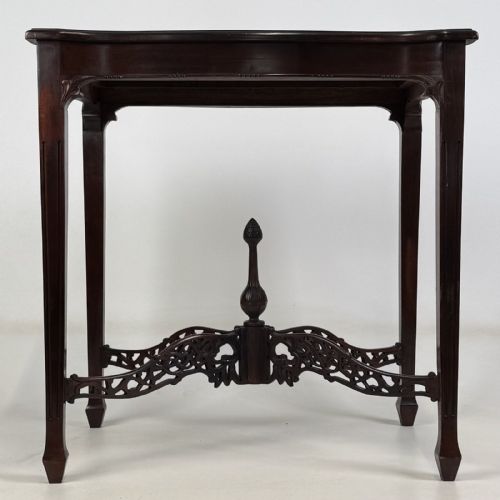
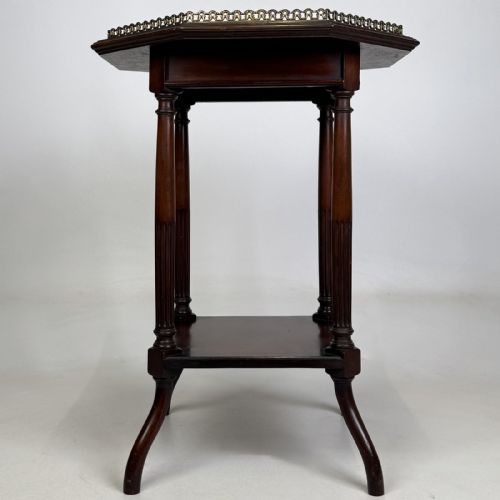
When you handle an edwardian wood table, you hold domestic furniture shaped by polished mahogany, oak and satinwood across the early twentieth century.
Edwardian Wood Table
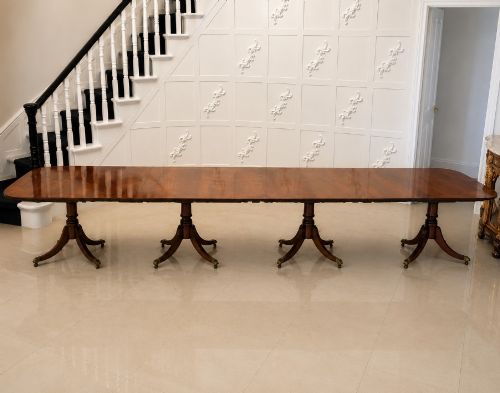
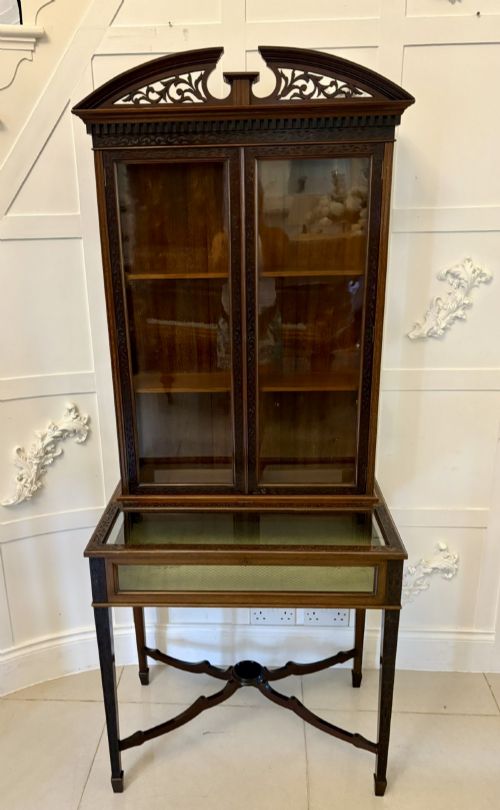
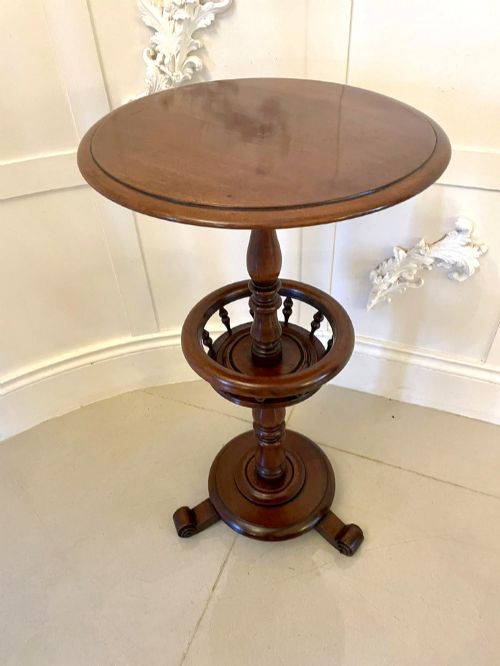
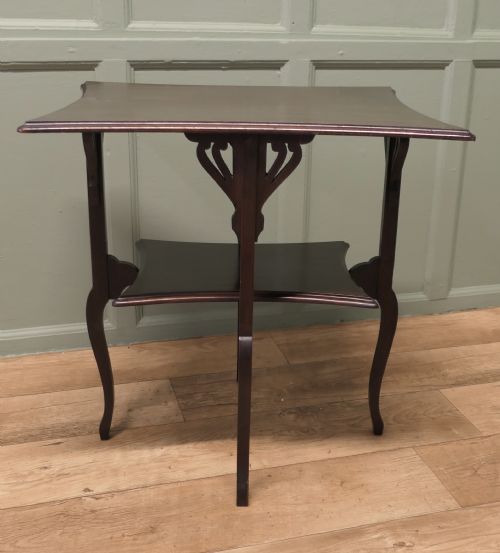
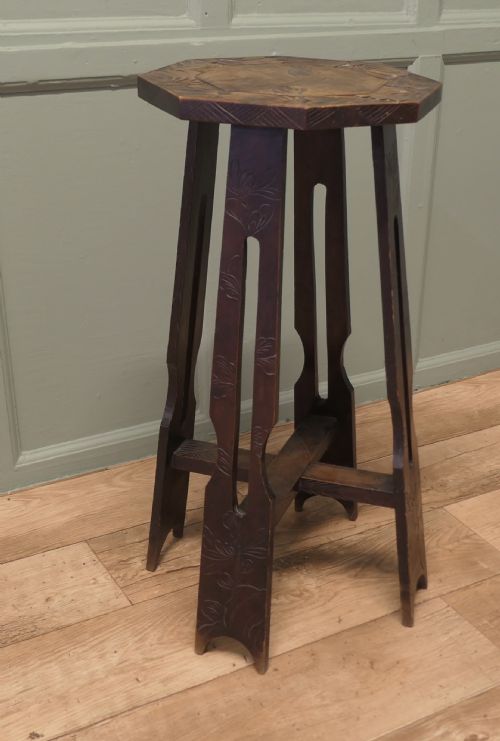
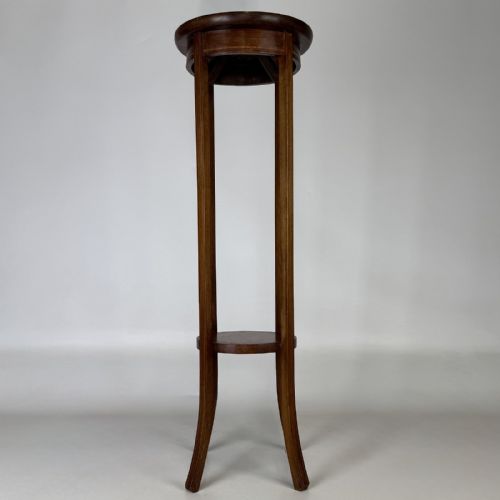
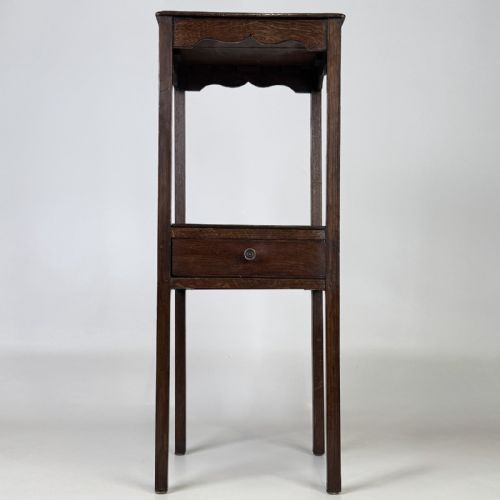
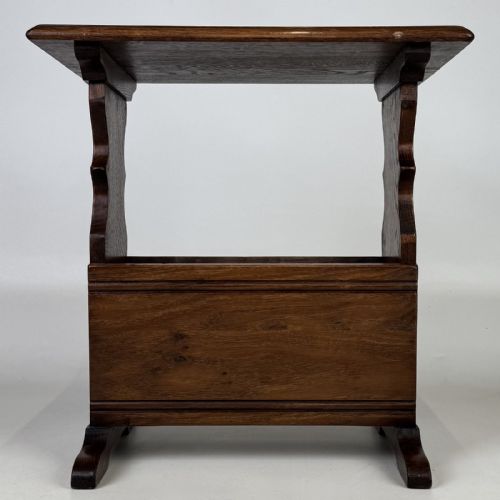
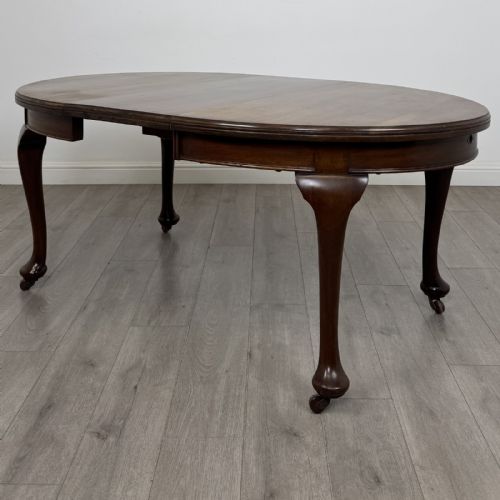
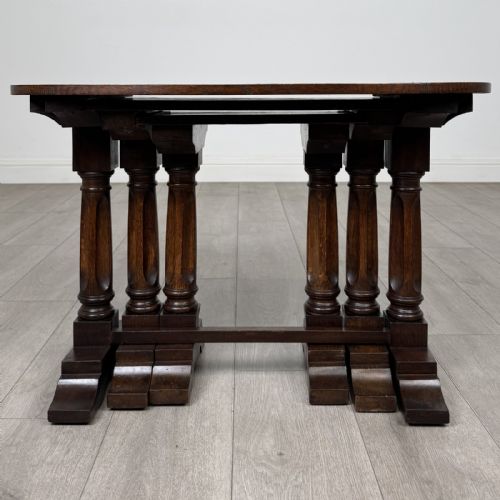
An edwardian wood table encompasses a practical range of domestic surfaces produced primarily around the opening decades of the twentieth century, alongside related forms from surrounding periods. Buyers encounter side tables, writing desks, occasional pieces, nests of tables, and extending dining tables designed for domestic utility.
The material palette recorded in these listings relies heavily on mahogany, oak, walnut, and satinwood, occasionally accented with rosewood or brass hardware. Pieces appear in various regional styles, including standard Edwardian designs, Arts and Crafts interpretations, and revival influences.
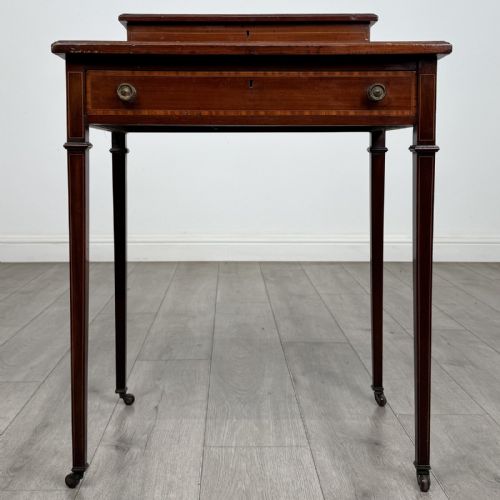
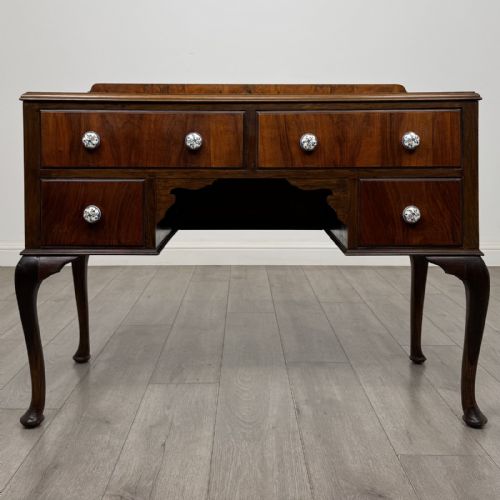
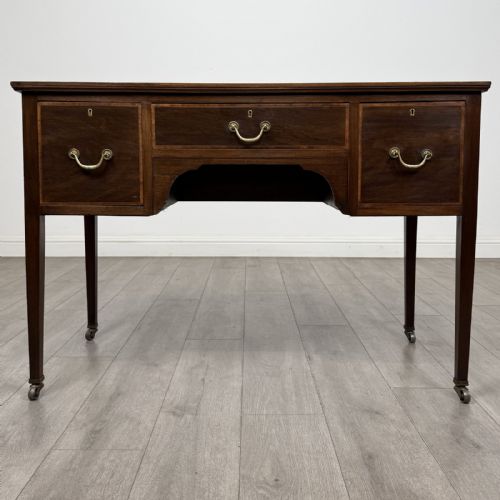
Side tables and writing desks with single drawers or inlaid detailing represent the most frequent forms met on this page. These domestic pieces reflect the period preference for versatile, movable furniture that served multiple functions in the drawing room or study.
What varies in quality
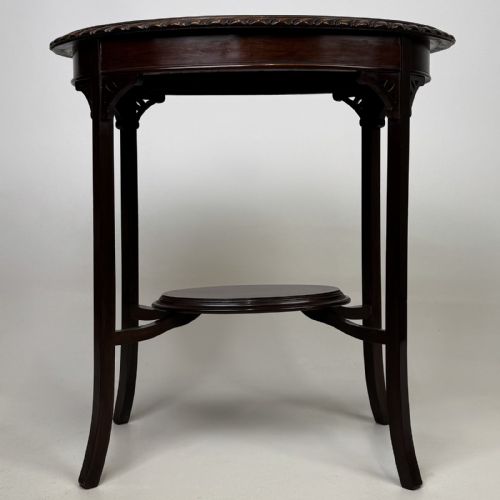
Quality differences stem from the selection of cabinet timbers, the precision of inlay work, and the integrity of the underlying construction. Higher grade examples display carefully matched grain patterns, crisp carved details such as gadrooning, and refined secondary woods.
The execution of joinery and the durability of moving parts, such as extension leaves or drop-side mechanisms, separate standard utility items from finer cabinetmaking. Subtleties in proportion and the retention of original brass hardware or fitted drawers also distinguish the upper tier of pieces.
Among the folding mechanisms and stationary desks, at least one clever piece doubles as a metamorphic fire screen.
Shapland and Petter·James Shoolbred·Bulstrode Cambridge
The Edwardian Wood Table Glossary
- Crossbanding
- A decorative border technique where thin strips of veneer are laid across the grain of the primary surface. This method frames table tops and drawer fronts on better-quality pieces.
- Gadrooned edge
- A carved ornamental border consisting of curved, fluted ridges running along the rim of a table top. It appears on polished mahogany and walnut occasional furniture.
- Cabriole leg
- A furniture leg that curves outward at the knee and tapers inward toward the foot, mimicking animal limbs. It is commonly found on writing tables and occasional stands from this era.
- Inlaid decoration
- The insertion of contrasting woods or shell into recesses cut into the primary timber surface. Edwardian pieces frequently utilise this technique for floral or geometric motifs.
Edwardian Wood Table: Frequently Asked Questions
How do I date an edwardian wood table?
Dating relies on stylistic markers, construction methods, and recorded production dates associated with the pieces. Edwardian examples typically date between 1901 and 1910, reflecting the reign of King Edward VII.
Evidence in the listings also records items from adjacent decades, including late nineteenth-century pieces and items from the 1920s, which share similar domestic forms and timber usage.
What woods were used for these tables?
Cabinetmakers utilised a variety of native and imported timbers depending on the intended function and style of the piece. Mahogany, oak, walnut, and satinwood appear frequently across the listings.
More decorative items incorporate rosewood or brass hardware, while specific regional pieces feature solid rosewood construction or lighter bleached oak finishes.
Were these tables used for dining?
Certain forms served dining purposes, specifically extending dining tables equipped with extension leaves to accommodate guests. Other variations included smaller occasional and side tables unsuited for main meals.
Smaller surfaces functioned as plant stands, wine tables, or writing desks rather than primary dining furniture, matching the specific domestic requirements of early twentieth-century households.
How do I care for polished wood surfaces?
Maintenance involves keeping polished timber away from direct heat sources and strong sunlight to prevent the finish from drying out. Regular dusting with a soft cloth preserves the polished surface without damaging the wood.
Avoid excessive moisture on veneered and inlaid areas, applying traditional wax polishes sparingly when the timber requires nourishment.