

Edwardian Wood Stands
Edwardian wood stands encompass practical domestic furniture from the early twentieth century designed to hold books, plants, coats, and ornaments.
Edwardian Wood Stands
When searching for edwardian wood stands, buyers encounter a diverse array of utilitarian and decorative wooden furnishings spanning the Edwardian era and surrounding decades.
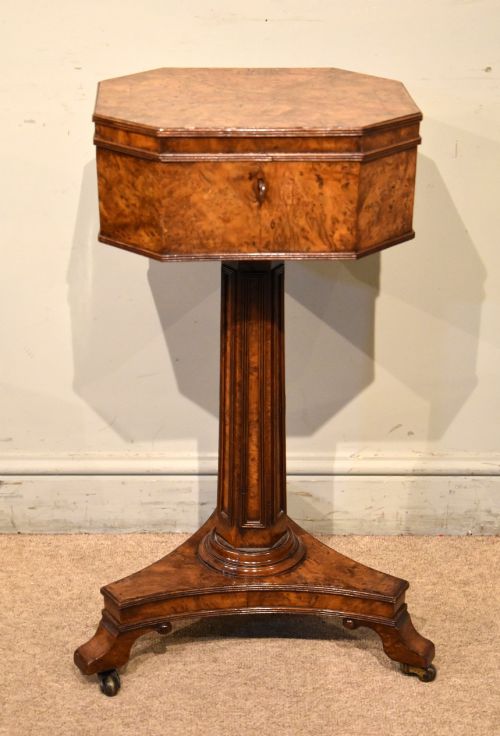
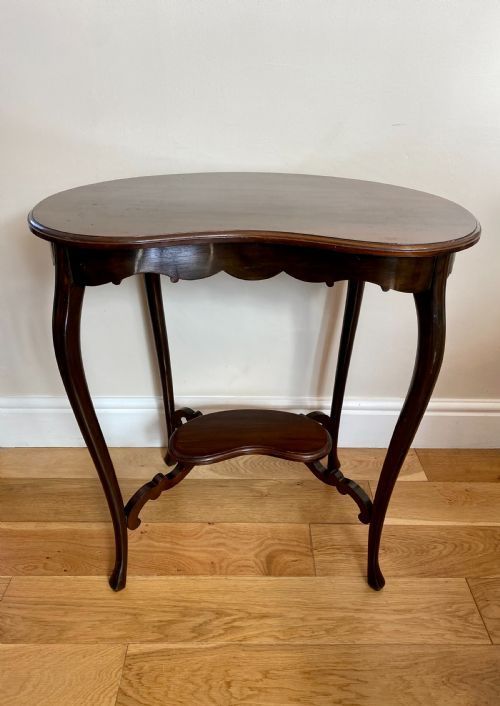
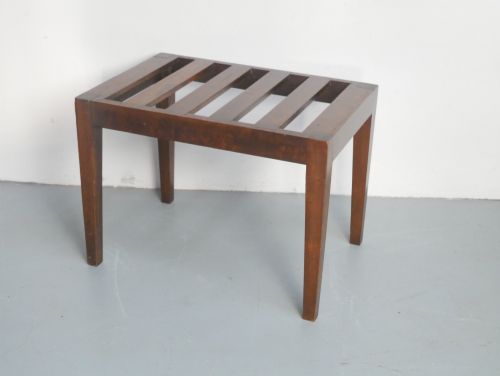
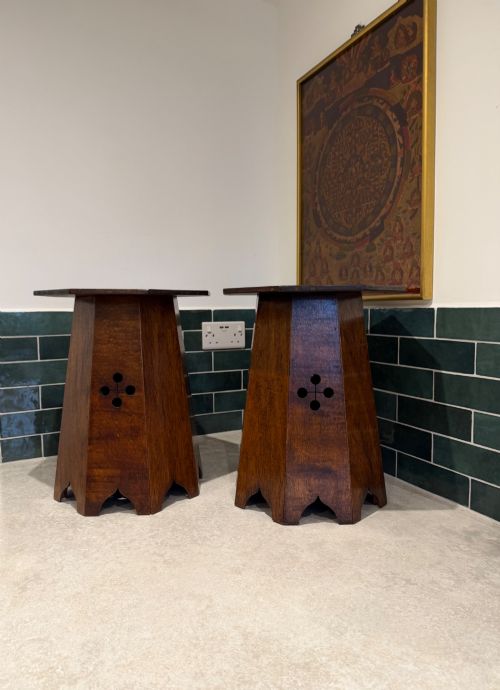
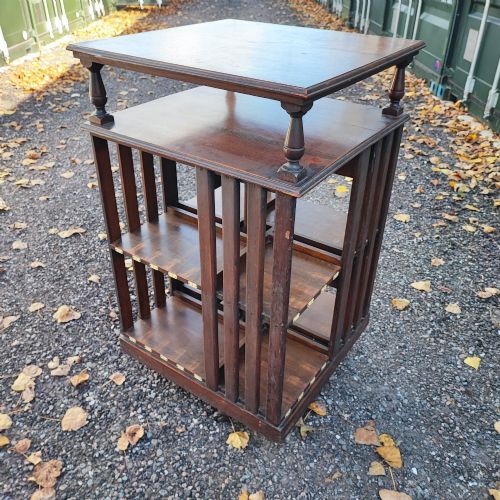
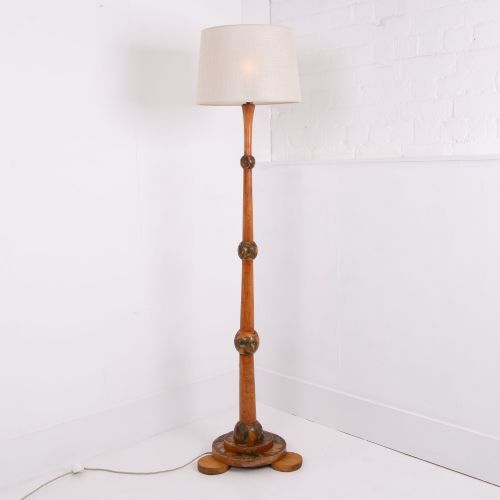
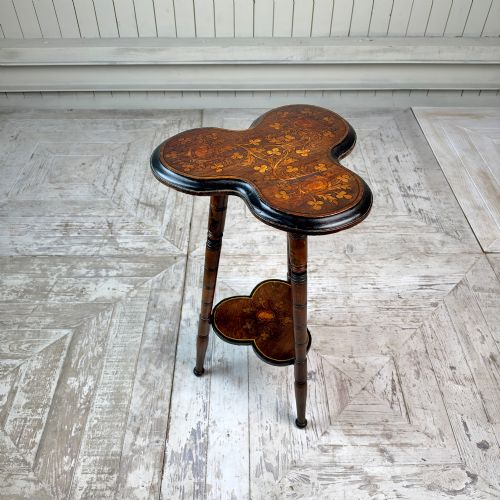
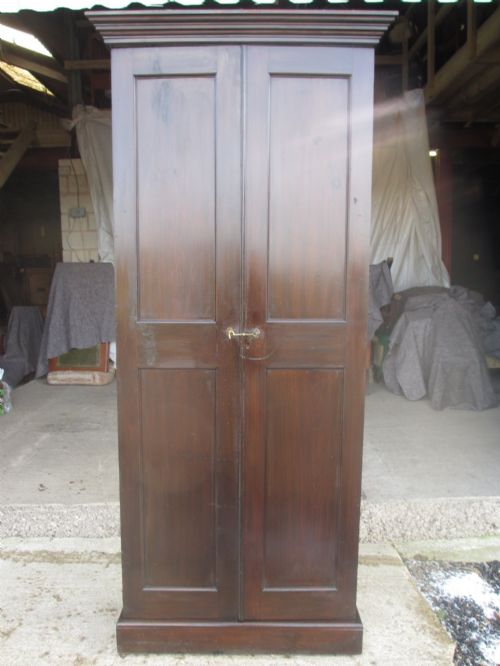
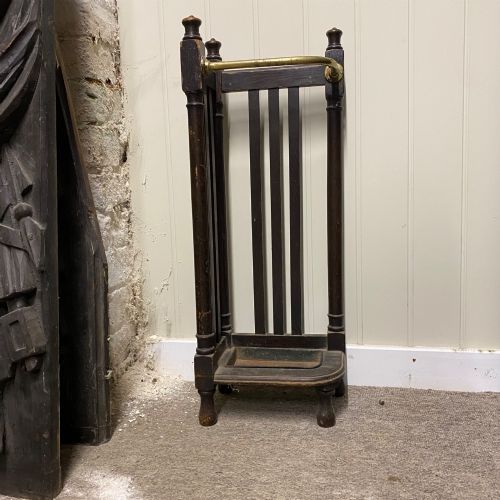
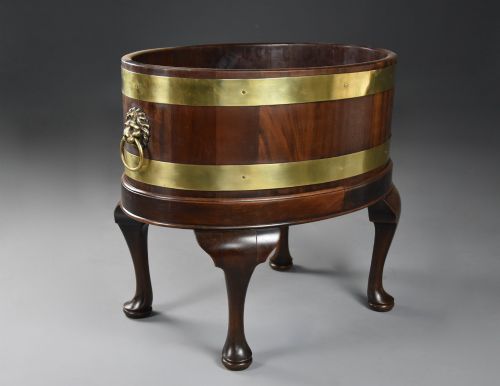
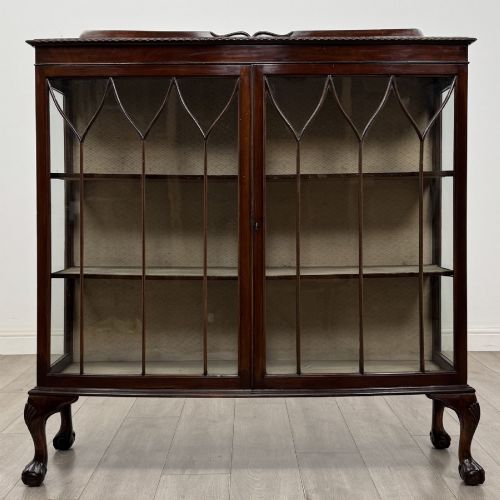
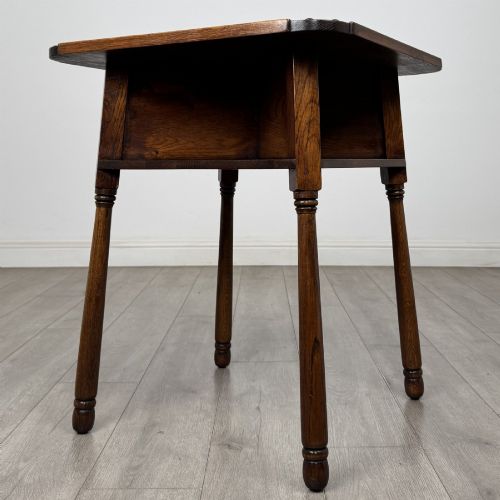
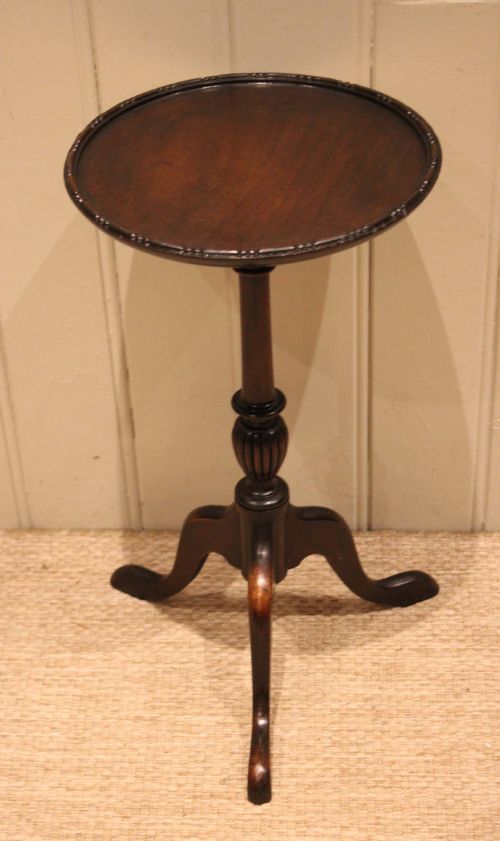
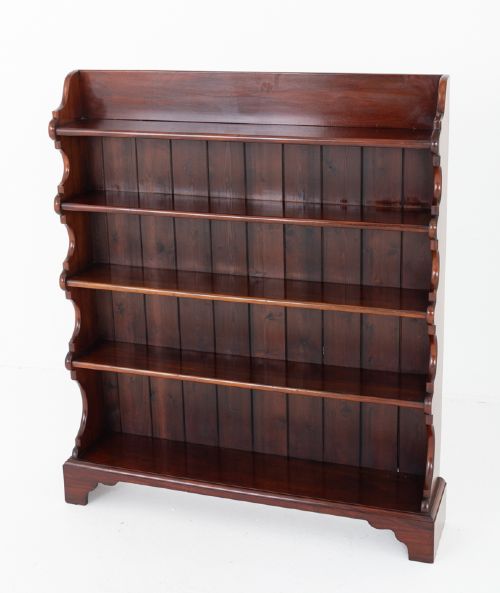
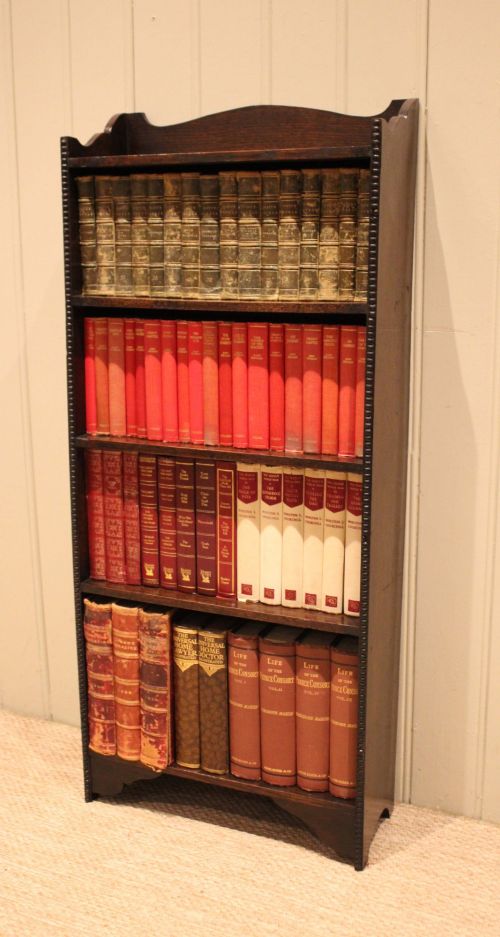
The selections on this page feature numerous forms built from timber, including plant stands, hall stands for coats and umbrellas, book carriers, and display cabinets.
Pieces from the Edwardian period sit alongside items originating in the nineteenth century, the nineteen-twenties, and the nineteen-thirties, reflecting steady domestic utility across generations.
How they were made
Cabinet makers utilised a range of timbers including mahogany, oak, walnut, satinwood, and elm to construct these functional domestic pieces.
Construction frequently incorporated decorative details such as brass fittings, glass panels, iron elements, and delicate inlay work to enhance appearance.
Bending techniques shaped flexible wood into distinct forms like bentwood hall stands, while traditional joinery methods secured tables, cabinets, and stands for daily household use.
Edwardian Wood Stands Retail Price Guide 2026
Typical asking prices for edwardian wood stands among the pieces listed under this phrase on Sellingantiques today, from the lower quarter to the upper quarter. They describe what is for sale here now, not the wider market.
Listings feature timbers such as mahogany, oak, walnut, satinwood, and elm, spanning periods from the Victorian era through the nineteen-thirties.
What varies in quality
The calibre of timber selection and complexity of grain patterns, particularly evident in burr walnut or inlaid mahogany, largely dictate the distinction between standard and superior pieces.
Thonet·Waring and Gillow·Liberty and Co·James Shoolbred
The Edwardian Wood Stands Glossary
- Hall stand
- A tall piece of hallway furniture combining hooks for hats and coats with a base for umbrellas and walking sticks.
- Plant stand
- A slender pedestal or tiered table designed specifically to elevate potted plants within a room.
- Bentwood
- Wood softened by steam and bent into curved structural forms, commonly utilised by makers such as Thonet.
- Gallery
- A raised ornamental border running along the edge of a shelf or tabletop to prevent items from sliding off.
- Inlay
- Decorative patterns created by inserting contrasting pieces of wood or other materials into the surface timber.
Edwardian Wood Stands: Frequently Asked Questions
What are edwardian wood stands used for?
These wooden items served specific household functions such as holding hats and coats in hallways, displaying potted plants in reception rooms, or supporting books and lamp tables.
Their practical designs met everyday domestic needs in homes during the early twentieth century and remain useful for similar organisational purposes today.
How do I identify an Edwardian piece?
Edwardian furniture typically displays lighter timbers, understated neoclassical revival styling, and restrained inlay work compared to heavier Victorian designs.
Examining secondary woods, construction methods, and hardware alongside stylistic traits helps confirm the manufacturing period.
Can I use these stands daily?
Most of these wooden stands are robustly constructed from hardwoods like oak and mahogany, making them entirely suitable for regular everyday use.
Placing them away from excessive heat sources and direct sunlight preserves the timber and any delicate inlay.
What styles appear in these listings?
The selection includes pieces influenced by Arts and Crafts simplicity, Art Nouveau curves, Sheraton Revival elegance, and traditional country furniture forms.
These varied aesthetic movements reflect the broad tastes prevalent during the late nineteenth and early twentieth centuries.