




Edwardian Wildlife Art
Edwardian wildlife art brings big cats and game into domestic rooms through detailed etchings, watercolours and oil paintings.
Edwardian Wildlife Art
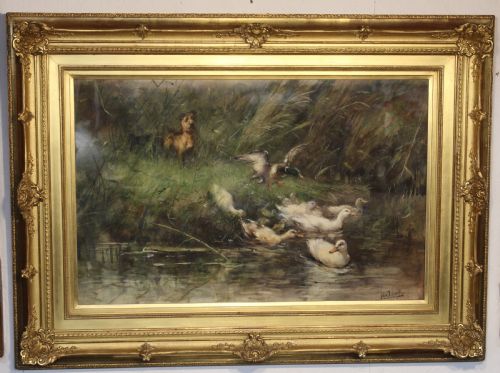
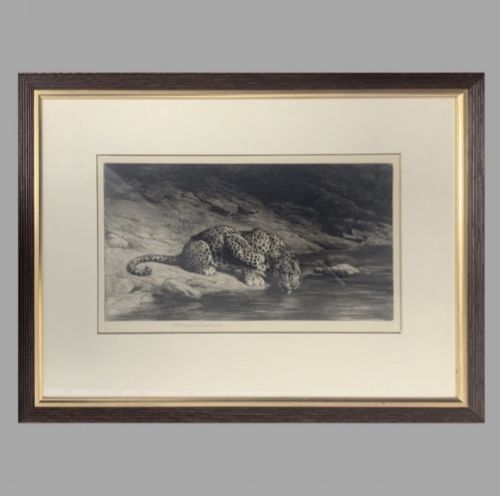
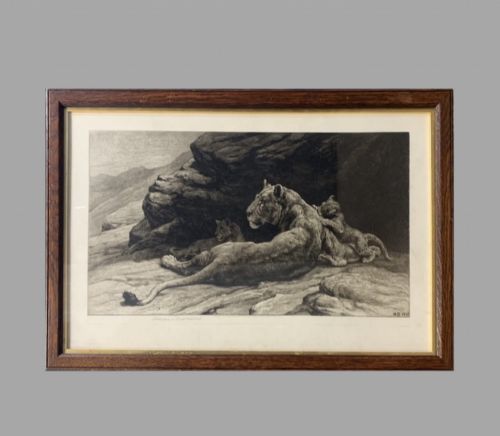
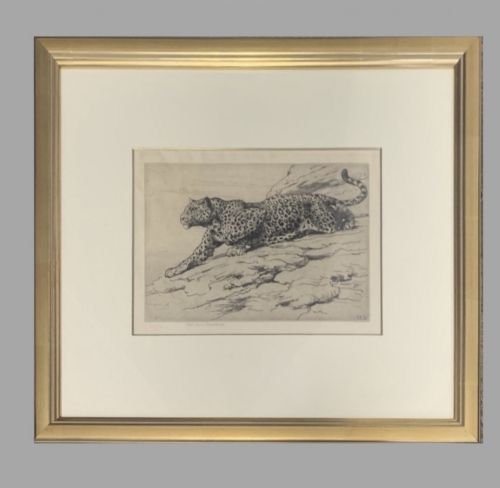
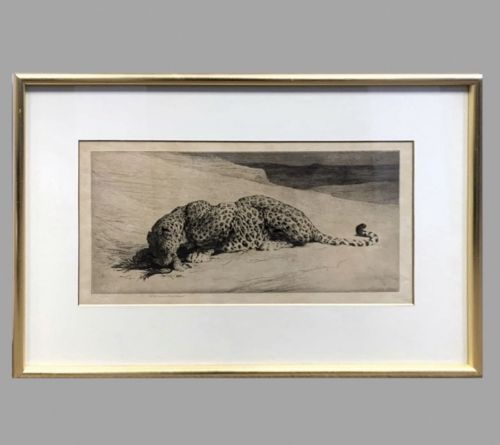
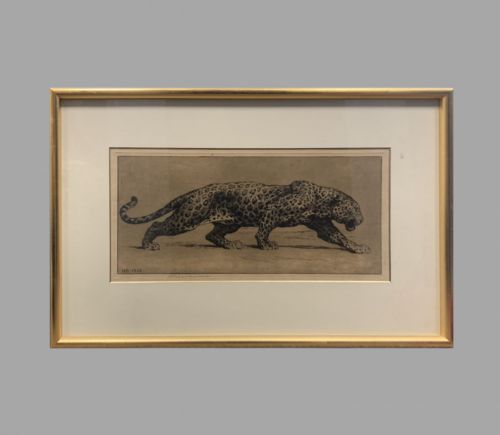
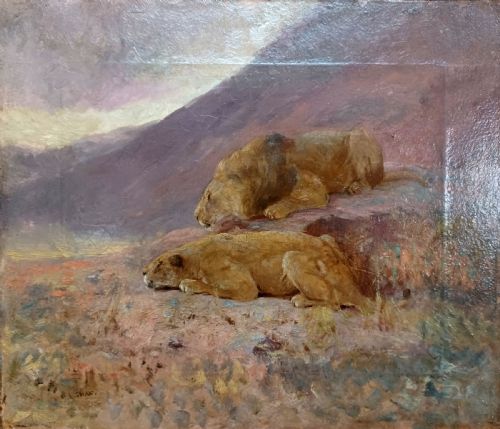
Edwardian wildlife art centres on depictions of wild animals, particularly big cats like leopards, lions and tigers, alongside game birds and hunting scenes. When browsing edwardian wildlife art, collectors encounter framed prints, watercolours on paper and signed artist proof etchings.
The pieces on offer span the late Victorian era into the 1920s, capturing natural history and animal behaviour in domestic wall art. Works appear on paper, vellum and canvas, often presented in gilt wood frames.
How they were made
Makers utilised traditional graphic and painting techniques, applying oil paint to canvas or watercolour and ink to paper and vellum. Etchings required meticulous plate work, allowing artists to issue signed limited editions.
Framing often involved gilt wood, complementing the detailed tonal work of monochrome etchings and the vibrant palettes of oil and watercolour paintings.
Edwardian Wildlife Art Retail Price Guide 2026
Typical asking prices for edwardian wildlife art among the pieces listed under this phrase on Sellingantiques today, from the lower quarter to the upper quarter. They describe what is for sale here now, not the wider market.
Big cats rule this artistic menagerie, staring out from hilltops and jungle tree trunks with absolute Victorian composure.
What varies in quality
Quality rests on the depth of the animal's depiction and the precision of the medium, whether the fine linework of an etching on vellum or the brushwork in an oil painting. Signed artist proofs carry distinct status over standard prints.
The condition of the paper or canvas and the preservation of the original framing influence how well the artwork retains its historical character.
Harry Bright·Herbert Dicksee·Cuthbert Edmund Swan·Godfrey Douglas Giles·Archibald Thorburn
The Edwardian Wildlife Art Glossary
- Artist proof
- A trial proof pulled for the artist to inspect before the main edition is printed. These impressions often hold particular collectible value.
- Etching
- A printmaking method where acid bites lines into a metal plate to hold ink. It produces fine, detailed imagery on paper or vellum.
- Vellum
- A prepared calfskin used as a durable surface for fine graphic works. It offers a smooth texture distinct from standard paper.
- Animalier
- Art that realistically depicts animals, frequently focusing on wild beasts in dramatic poses. The style spans late Victorian and Edwardian periods.
Edwardian Wildlife Art: Frequently Asked Questions
How do I care for these works on paper?
Keep prints and watercolours away from direct sunlight to prevent the ink and pigments from fading over time. Maintaining a stable indoor humidity protects the paper and vellum from warping.
Ensure framing materials are acid-free to preserve the integrity of the antique paper support.
What is an artist proof etching?
An artist proof is an impression pulled during the printmaking process for the creator to review and approve before the main edition is printed. These works are typically signed by the hand of the artist.
They represent a direct connection to the printmaker's working process and often command strong interest from collectors.
Where were these wildlife scenes displayed?
Original owners typically hung these framed paintings and etchings in libraries, studies and drawing rooms. The subjects reflected a Victorian and Edwardian fascination with natural history and distant landscapes.
Today, they suit similar domestic interiors, adding traditional character to living spaces and hallways.
How do I distinguish an etching from a print?
An etching displays a visible plate mark where the metal edge pressed into the paper during the printing process. The ink lines also sit slightly raised on the surface.
Standard framed prints lack this embossed plate impression and rely on dot patterns or flat ink application.