

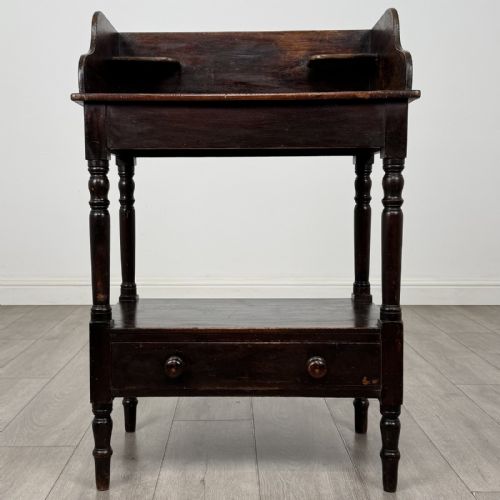
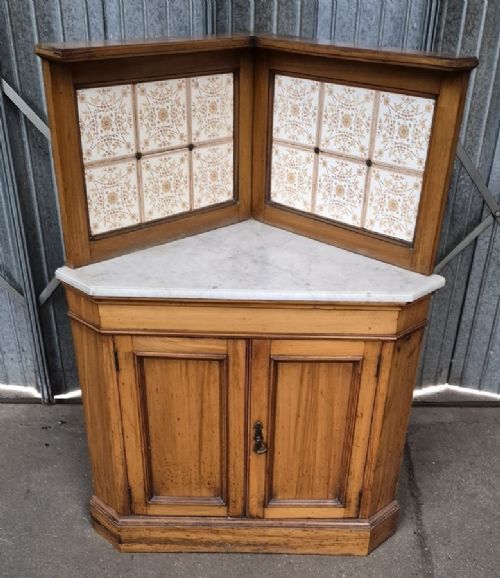
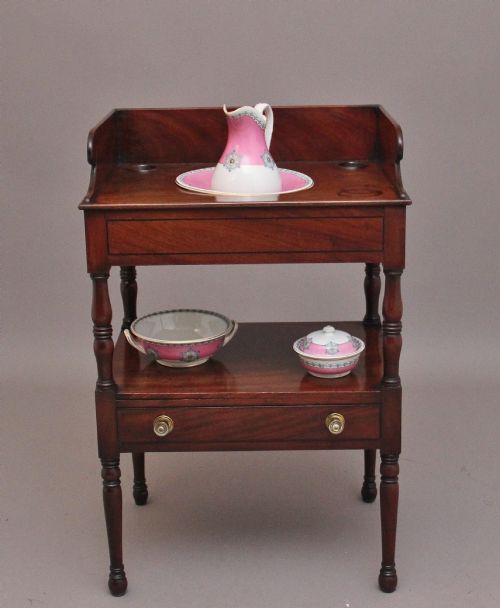
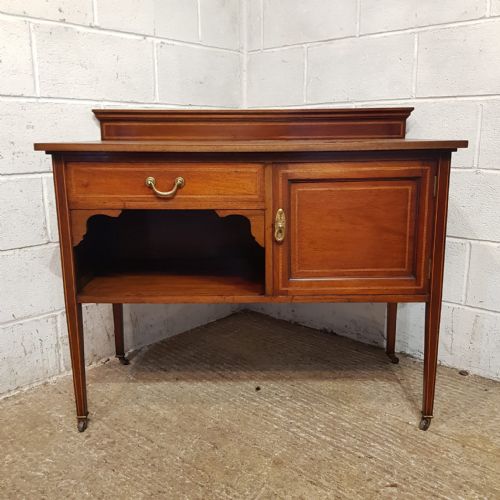


Edwardian Wash Stand
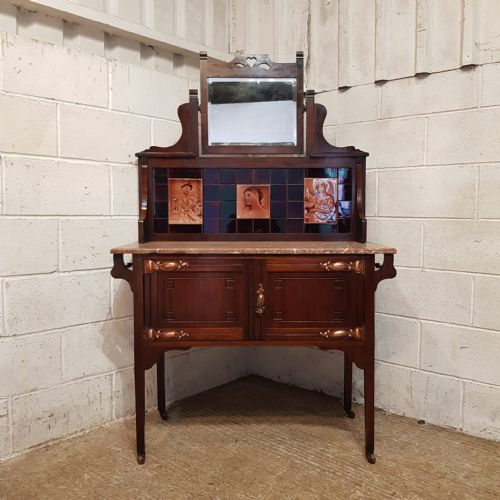
These edwardian wash stand pieces bring practical Edwardian utility and rich mahogany timber into the bedroom, offering traditional charm for daily use.
Edwardian Wash Stand
An edwardian wash stand is a bedroom furniture piece designed for personal hygiene before plumbed bathrooms became universal, typically taking the form of a freestanding wooden table with dedicated surfaces for basins and ewers. When you search for an edwardian wash stand, you encounter pieces from the early twentieth century alongside related Victorian precursors and slightly earlier nineteenth century designs.
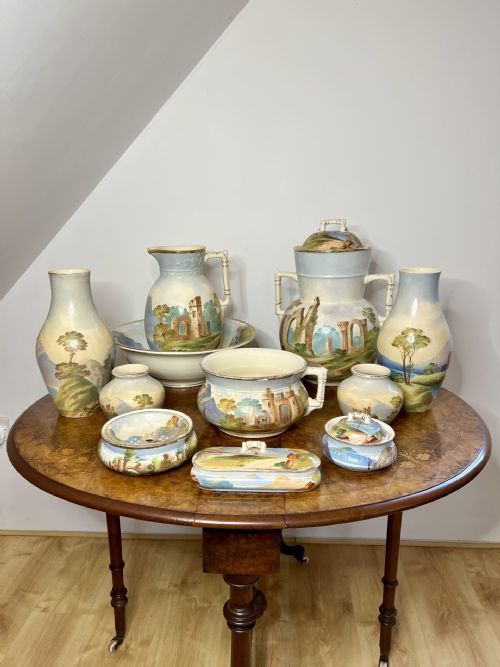
The versions most commonly met on this page are constructed from mahogany, walnut, or painted pine, frequently featuring marble tops and ceramic wash sets to protect the surrounding wood from water splashes. Alongside standard washstands, the selection includes related side tables, corner washstands, and bentwood shaving stands that share the same period domestic purpose.
Makers of the period adapted traditional furniture forms to suit contemporary bedrooms, incorporating brass fittings, ceramic bowls, and copper elements into practical designs. These pieces suit modern interiors as functional hallway tables, bathroom vanity surfaces, or decorative bedroom furniture.
How they were made
Makers built these pieces primarily from solid and veneered mahogany or walnut, employing traditional cabinetmaking joinery to ensure the frames supported heavy stone tops. Turned and shaped wooden supports characterise the construction, reflecting both Edwardian and Victorian workshop traditions.
Marble slabs, particularly white and rouge varieties, were fitted to the upper surfaces to provide a durable, waterproof shelf for ceramic wash sets and ewers. Earthenware and glass components completed the ensemble, while brass fittings added functional detail to towel rails and handles.
Edwardian Wash Stand Retail Price Guide 2026
Typical asking prices for edwardian wash stand among the pieces listed under this phrase on Sellingantiques today, from the lower quarter to the upper quarter. They describe what is for sale here now, not the wider market.
Listings on this page span the late nineteenth century through to the Edwardian period, featuring mahogany, walnut, pine, marble, brass, and ceramic.
What varies in quality
The standard of timber selection and the integration of stone tops set individual examples apart, with finer pieces utilising richly figured mahogany or walnut paired with substantial marble slabs. Simpler workshop output relied on painted pine or basic turnings, prioritising utility over decorative grain.
The presence of matching ceramic wash sets or specialised forms such as corner units and bentwood frames elevates the character of a piece. Superior examples display refined proportions and careful attention to brass hardware details.
Walker And Sons
The Edwardian Wash Stand Glossary
- Washstand
- A piece of bedroom furniture designed to hold a basin, pitcher, and washing accessories. These items date primarily from the Victorian and Edwardian eras.
- Marble top
- A stone slab fitted to the upper surface of a washstand to provide a waterproof work area. This feature protects the underlying wood from water damage.
- Wash set
- A matching set of ceramic pieces including a basin and jug used for personal washing. They sit upon the washstand surface.
- Bentwood
- Wood softened by steam and bent into curved shapes for furniture frames. This technique produced lightweight stands and shaving furniture.
- Earthenware
- Fired clay pottery used for wash bowls and chamber accessories. These items often feature glazed decorative patterns specific to their period.
Edwardian Wash Stand: Frequently Asked Questions
What is an edwardian wash stand used for today?
These pieces function well in modern homes as hallway side tables, plant stands, or decorative bedroom furniture. Their marble tops provide durable surfaces that handle everyday items easily.
Many people also use them in bathrooms as washbasin surrounds or general storage ledges, adapting their original hygiene purpose to contemporary living spaces.
How do I tell an Edwardian wash stand from a Victorian one?
Edwardian examples tend to feature lighter timber tones and simpler, more restrained lines compared to heavier Victorian predecessors. Victorian pieces often incorporate darker walnut or mahogany with more elaborate turning and carving.
The listings here show how stylistic shifts moved from ornate nineteenth century designs toward cleaner Edwardian forms around nineteen hundred.
Are marble tops original to these washstands?
Marble slabs were standard factory fittings on many superior washstands of this period to protect the wood from water splashes. They were selected to match the overall timber frame and cabinet design.
Inspectors look at how the stone fits the wooden rebate to determine whether the top has remained with the base since manufacture.
What materials appear most often on this page?
Mahogany and walnut form the primary wooden structures across the listings here, frequently combined with white or rouge marble top surfaces. Secondary materials include painted pine, brass hardware, and ceramic wash sets.
Some specialised pieces also incorporate glass, copper, and steam-bent wood elements within their overall construction.